How hotels and resorts should approach AEO for real ROI
Answer engine optimization is changing how travelers discover hotels and resorts, often before they ever reach a traditional search result. As AI-powered tools increasingly summarize, recommend, and compare properties on a traveler’s behalf, visibility now depends on how clearly your property can be understood, not just how well it ranks.
For hotels and resorts focused on increasing direct bookings, AEO is becoming a critical extension of hospitality marketing, hotel metasearch, and Google hotel ads performance. This guide outlines a practical approach to AEO that prioritizes clarity, consistency, and measurable ROI, helping properties influence AI-driven discovery while supporting stronger downstream conversion.
What is answer engine optimization (AEO) for hotels?
Answer engine optimization (AEO) is the process of structuring hotel content and data so AI tools, search engines, and answer engines can clearly understand and recommend your property.
Why AEO matters for hotels and resorts
- AI tools now recommend and compare hotels before users visit websites
- Visibility increasingly happens before a traditional search click
- AEO supports:
- Direct bookings
- Hotel metasearch performance
- Google hotel ads performance
- Brand discovery
- Hotels must focus on clarity, consistency, and structured information
How hotels should approach AEO: 10 practical steps
1. Start with accurate, structured property data
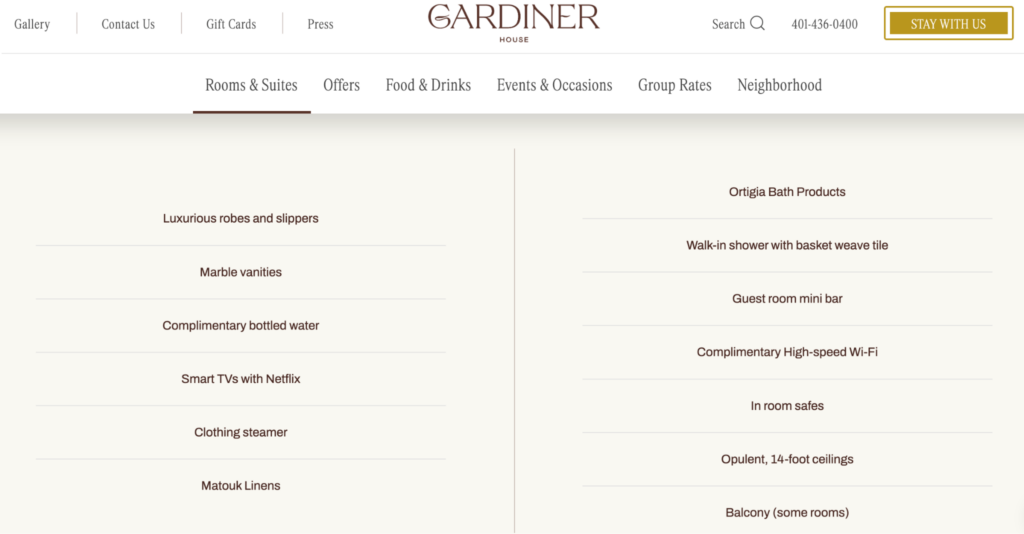
Hotels should ensure their core property information is consistent, complete, and well-structured across all platforms where they appear. This includes key details such as amenities, policies, location, room types, and booking information, all of which help AI systems understand and present the property accurately.
Since AI tools rely heavily on structured data, inconsistencies can reduce visibility, while clean and reliable data increases the likelihood of being recommended in answer-driven search results.
Important property data for AEO
- Hotel amenities
- Policies (check-in/out, pets, parking, etc.)
- Location and nearby attractions
- Room types and bed configurations
- Property descriptions
- Booking engine information
Why this matters
- AI tools rely on structured data
- Inconsistent information reduces visibility
- Clean data improves AI confidence in recommending your property
2. Optimize for AI answers, not just search rankings
Answer Engine Optimization (AEO) is about positioning your content so it’s directly used to generate answers, not just listed as a link in search results. Instead of competing purely for rankings on results pages, AEO prioritizes becoming the source that platforms like Google Search, ChatGPT, or Microsoft Copilot pull from when delivering concise, conversational responses.
How to structure hotel content for AI
- Use clear headings
- Answer traveler questions directly
- Write clear, unambiguous descriptions
- Avoid vague marketing language
- Use structured sections and FAQs
Why this matters
- Visibility often happens before a click
- AEO influences early discovery in the traveler journey
3. Prioritize high-intent traveler questions
Hotels should create content that directly answers the questions travelers are actively searching for, such as location details, amenities, policies, and who the property is best suited for. By addressing these high-intent queries clearly and directly, hotels can align their content with how people naturally search and how AI systems retrieve answers.
This matters because answer engines prioritize content that resolves user questions efficiently, helping attract more qualified travelers who are closer to making a booking decision.
Common traveler questions to answer
- Where is the hotel located?
- What amenities are available?
- What are the hotel policies?
- Who is this hotel best for?
- Is the hotel good for families, couples, business travelers, etc.?
Why this matters
- Answer engines prioritize content that directly answers questions
- High-intent content brings more qualified travelers into the booking funnel
4. Connect AEO with hotel metasearch performance
AEO and hotel metasearch should be viewed as complementary strategies, where visibility in AI-driven answers helps drive demand that metasearch platforms can capture and convert.
When AI tools recommend a hotel, it increases brand searches, which in turn boosts engagement and performance across metasearch channels, including stronger results in platforms like Google Hotel Ads. This matters because AEO builds awareness and intent at the top of the funnel, while metasearch turns that demand into direct bookings and measurable revenue.
How AEO supports metasearch
- AI recommendations increase brand searches
- Brand searches increase metasearch engagement
- Metasearch performance reinforces visibility signals
- Google hotel ads’ performance benefits from stronger brand demand
Why this matters
- AEO generates demand upstream
- Metasearch converts that demand into direct bookings
5. Use structured FAQs to support answer engines
FAQs are one of the most effective AEO tools.
Hotel FAQ examples for AEO
- What time is check-in?
- Is parking available?
- Is the hotel pet-friendly?
- How far is the hotel from downtown?
- Does the hotel have a pool or gym?
- What type of travelers is this hotel best for?
Why this matters
- FAQs provide clear answers AI can quote directly
- Improves visibility without redesigning your entire website
6. Maintain consistency across platforms
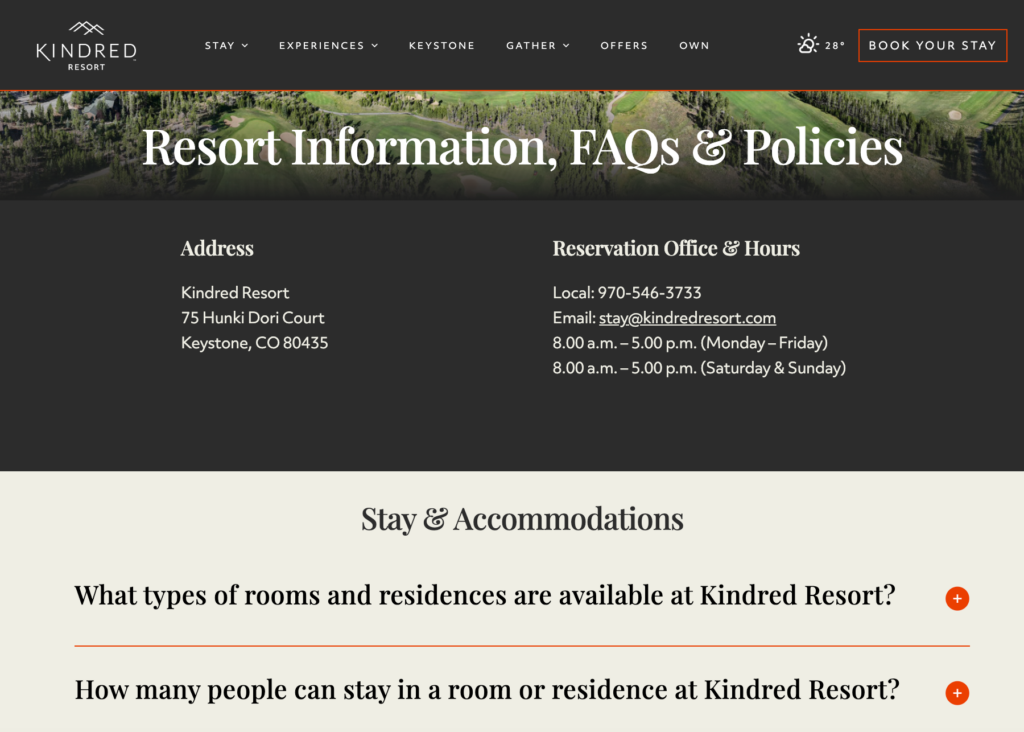
Answer engines pull information from multiple sources. Maintaining consistency across platforms is critical because answer engines don’t rely on a single source; they aggregate, compare, and validate information from across the web.
Consistency goes beyond just name, address, and phone number (NAP). It includes how you describe your offerings, key amenities, brand positioning, and even the language used to answer common questions. The more aligned these elements are across platforms, the easier it is for AI systems to recognize your brand as a reliable, authoritative source.
Platforms that must stay consistent
- Hotel website
- Booking engine
- OTAs
- Google Business Profile
- Metasearch listings
- Social media profiles
Why this matters
- Inconsistent information reduces AI confidence
- Consistency improves accuracy and visibility
7. Treat AEO as ongoing infrastructure, not a one-time project
AEO should be treated more like infrastructure than a campaign. It requires continuous input, monitoring, and refinement to stay effective. Content that performs well today may lose visibility if it becomes outdated, less relevant, or is outperformed by clearer, more structured alternatives.
Ongoing AEO tasks
- Update amenities and policies
- Refresh FAQs
- Add new traveler questions
- Update location and attraction content
- Monitor branded search growth
- Review metasearch performance
Why this matters
- AI visibility improves over time with consistent updates
- AEO is infrastructure, not a checklist
8. Partner with hospitality-specific marketing expertise
Hospitality marketing is different from general digital marketing. That’s why GCommerce Solutions has been a trusted digital marketing agency exclusively for the hospitality industry.
Why hospitality expertise matters for AEO
- Hotel distribution is complex
- Metasearch and booking behavior are unique
- Direct booking strategy matters
- Data and performance signals influence visibility
Why this matters
- Generic AEO strategies focus on visibility, but miss how that visibility converts into bookings and revenue
- Industry-specific data signals, like pricing, availability, and reviews, directly impact how answer engines determine relevance and visibility
9. Measure AEO success using downstream performance metrics
AEO performance should be measured by business results, not vanity metrics. Focus on indicators like qualified traffic, conversion rates, direct bookings, and revenue impact to understand its true value.
Key AEO performance indicators
- Growth in branded search
- Hotel metasearch performance
- Google hotel ads performance
- Direct booking conversion rate
- Cost per booking
- Revenue from direct channels
Why this matters
- AEO influences booking behavior indirectly
- Success shows up in revenue and performance metrics
10. Build for clarity, not hype
The best AEO strategies focus on clarity and structure. Content that is straightforward, well-organized, and easy to interpret is far more likely to be selected and used by answer engines than content that prioritizes buzzwords or complexity.
AEO principles for hotels
- Clear data
- Structured content
- Consistent information
- Useful answers
- Traveler-focused content
- Ongoing updates
Why this matters
- AEO rewards clarity and structure, not marketing buzzwords
- Clear, well-structured content makes it easier for answer engines to extract, trust, and surface your information in high-intent traveler queries
Ready to improve how your property shows up in AEO-driven discovery?
An AEO strategy only works when it is grounded in accurate data, clear content, and hospitality-specific expertise. GCommerce’s AI Visibility Audit helps hotels and resorts identify gaps in visibility, consistency, and structure across their digital presence, with clear recommendations tied to direct bookings, hotel metasearch, and Google hotel ads performance. Submit your audit request now.
{
“@context”: “https://schema.org”,
“@type”: “FAQPage”,
“mainEntity”: [{
“@type”: “Question”,
“name”: “What does (AEO) look like for hotel marketing?
“,
“acceptedAnswer”: {
“@type”: “Answer”,
“text”: “
Answer engine optimization (AEO) for hotels and resorts is the process of structuring the property’s website content, property data, and FAQs so AI tools and search engines can clearly understand and recommend the property in generated answers. Unlike traditional SEO, which focuses on ranking pages, AEO focuses on being included in AI-generated answers, travel recommendations, and conversational search results.
”
}
}, {
“@type”: “Question”,
“name”: “How is AEO different from SEO for hotels?”,
“acceptedAnswer”: {
“@type”: “Answer”,
“text”: “
SEO focuses on improving rankings in traditional search results, while AEO focuses on helping AI tools and answer engines understand and summarize your property information. Hotels need both SEO and AEO. SEO drives website traffic, while AEO improves visibility in AI-generated answers, travel-planning tools, and conversational search results that often appear before users click through to a website.
”
}
}, {
“@type”: “Question”,
“name”: “How can hotels optimize their website for AEO?
“,
“acceptedAnswer”: {
“@type”: “Answer”,
“text”: “
Hotels can optimize for AEO by structuring their website content clearly, answering common traveler questions, maintaining accurate property data across all platforms, and creating structured FAQ pages. Consistency across the website, booking engine, OTAs, and metasearch platforms is critical so AI tools can confidently understand and recommend the property.
”
}
}]
}
Frequently asked questions about AEO
Answer engine optimization (AEO) for hotels and resorts is the process of structuring the property’s website content, property data, and FAQs so AI tools and search engines can clearly understand and recommend the property in generated answers. Unlike traditional SEO, which focuses on ranking pages, AEO focuses on being included in AI-generated answers, travel recommendations, and conversational search results.
SEO focuses on improving rankings in traditional search results, while AEO focuses on helping AI tools and answer engines understand and summarize your property information. Hotels need both SEO and AEO. SEO drives website traffic, while AEO improves visibility in AI-generated answers, travel-planning tools, and conversational search results that often appear before users click through to a website.
Hotels can optimize for AEO by structuring their website content clearly, answering common traveler questions, maintaining accurate property data across all platforms, and creating structured FAQ pages. Consistency across the website, booking engine, OTAs, and metasearch platforms is critical so AI tools can confidently understand and recommend the property.
The post The Hotelier’s Guide to AEO: How hotels and resorts should approach AEO for real ROI appeared first on GCommerce Solutions.
