Camping looks easy from the outside. Especially for people who’ve never been camping before.
Then the first trip happens, and suddenly there are campground expectations nobody really talks about ahead of time.
And the interesting thing is that a lot of first-timers don’t break these rules on purpose. They just don’t know they exist yet.
That’s what catches people off guard. Camping has its own rhythm, and every campground has a few unwritten rules sitting right next to the official ones.
1. Quiet Hours Are a Bigger Deal Than Expected
A lot of first-time campers assume quiet hours just mean no loud music. In reality, campgrounds usually take them pretty seriously.
That means no shouting across sites, no slamming car doors over and over, and no late-night generator noise if the campground has restrictions.
Even regular conversation can carry farther outside than people expect, especially once everything else settles down for the night.
It surprises people because a campground feels casual during the day. Kids are playing, people are grilling, somebody is probably chopping wood somewhere.
But once quiet hours start, the whole place changes fast. And yes, neighbors will notice.
2. Not Every Campsite Lets You Build a Fire Whenever You Want
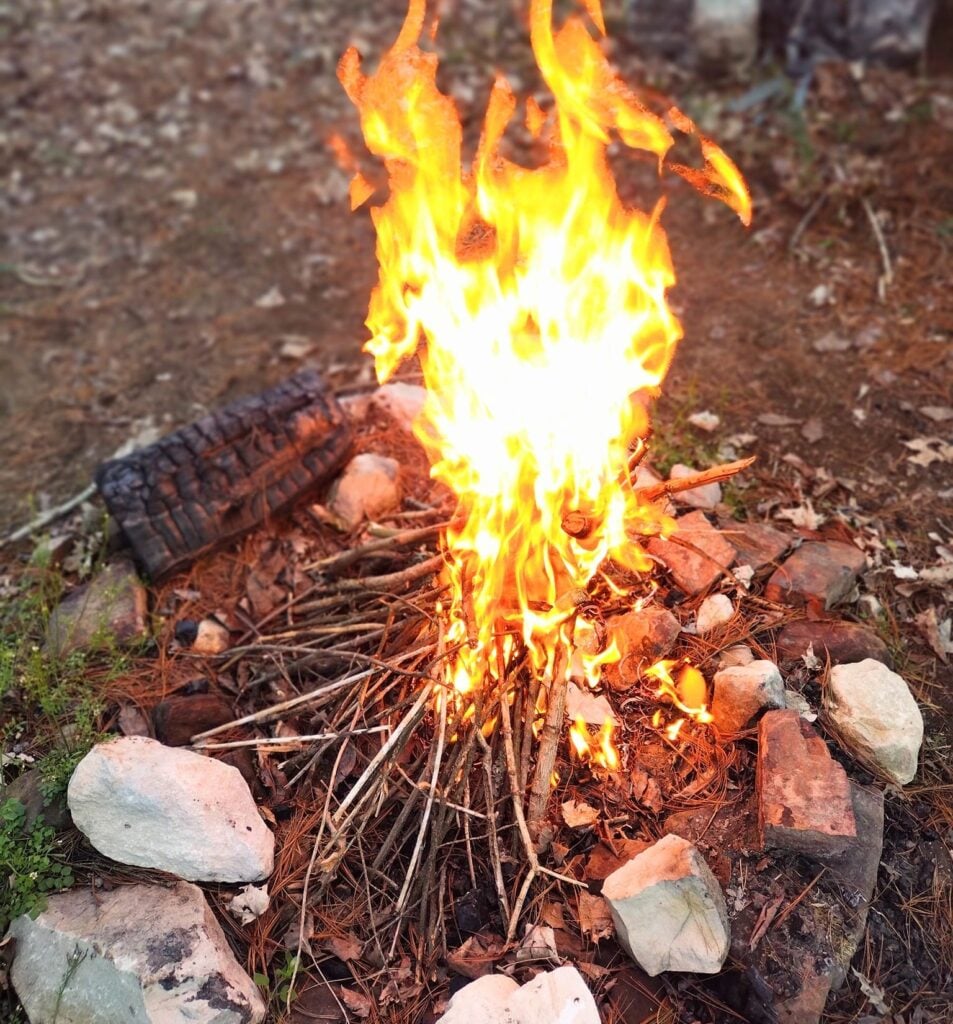
This one gets a lot of beginners. There’s this idea that camping automatically includes a campfire, but that’s not always true.
Some campgrounds only allow fires in designated rings.
Some ban them during dry weather. Others allow charcoal but not firewood brought from outside the area.
That part throws people. The setup looks ready, so it feels allowed.
But local fire rules can change quickly, and campgrounds usually expect campers to check first instead of assuming.
It’s not just about following rules for the sake of rules, either. In dry conditions, one careless fire can become a real problem for everyone.
3. Bringing Firewood From Home Can Actually Be Prohibited
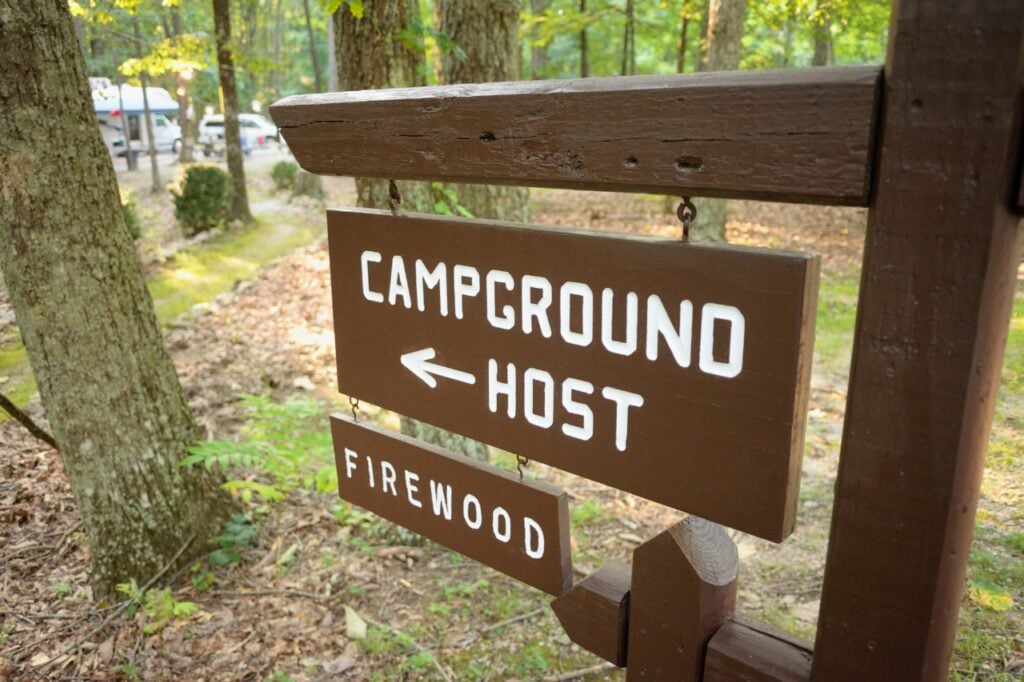
This sounds strange the first time people hear it.
A lot of campgrounds and parks don’t want outside firewood because it can carry insects, pests, or tree diseases from one area to another.
So even if someone already has a pile of wood at home, that doesn’t always mean it can come along on the trip.
For new campers, it feels random at first. Wood is wood, right?
Well, transported firewood has been tied to the spread of invasive bugs in a lot of places, which is why campgrounds post those warnings everywhere.
Usually the safest move is just buying local firewood near the campground or on-site if they sell it.
4. Check-In and Check-Out Times Matter More Than Hotel Times

Beginners sometimes treat campground arrivals the same way they’d treat a hotel.
Show up whenever, check in, settle down. But campgrounds often have much tighter schedules, especially smaller ones or state park campgrounds.
Some gates close at a certain hour. Some offices shut down early. Some campgrounds won’t let campers enter the site after dark, or they’ll ask late arrivals to wait until morning.
That can be a rough surprise after a long drive.
Check-out matters too. Staying “just one extra hour” can create problems if the next campers are coming in and staff need time to clean or inspect the site.
Campgrounds tend to run on a more fixed turnover than people expect.
It’s not hard to follow. It just catches a lot of new campers because nobody really mentions it until it matters.
5. Washing Dishes or Dumping Water on the Ground Is Often Not Okay

This is another one that surprises people who are trying to be low-maintenance.
A first-timer might think dumping dishwater near some bushes is no big deal, especially if the soap says biodegradable.
But many campgrounds don’t allow that. The same goes for brushing teeth over the grass, emptying cooler water next to the picnic table, or pouring anything with food residue onto the ground.
Even when it seems harmless, it can attract bugs and animals, create smells, and make the campsite less pleasant for the next person.
Campgrounds usually have specific rules for gray water, and it’s worth checking them before setting up.
6. Generators Are Not Welcome Everywhere

Some first-time campers assume generators are just part of campground life.
In reality, many campgrounds limit generator use to certain hours, and some tent areas don’t allow them at all.
Even where they are permitted, running one too early in the morning or too late in the evening is a quick way to annoy everyone nearby.
And honestly, generator sound travels a lot.
This rule tends to surprise people who are used to RV videos or more private camping setups.
In a packed campground, noise feels different. What seems normal at one site can be the loudest thing in the loop for everyone else.
That’s why generator rules tend to be very specific, and why campers are expected to know them before plugging anything in.
7. Campground Etiquette Is Real, Even When It Isn’t Posted

This might be the biggest surprise of all. Not every rule is on a sign.
There’s a whole layer of camping etiquette that experienced campers kind of absorb over time.
Don’t cut through someone else’s campsite, even if it saves a few steps. Don’t let kids or pets wander into neighboring sites.
Don’t shine bright lights into nearby tents at night. Don’t leave food out. Don’t start packing up loudly at dawn if people around you are still asleep.
None of that feels complicated. But first-timers don’t always realize how much personal space matters at a campground, even in places where sites are pretty close together.
A campsite becomes somebody’s temporary home for the weekend. Once that’s understood, a lot of the “unwritten” rules start making a lot more sense.
And please remember that most camping rules that surprise beginners aren’t there to make things difficult.
They’re there because campgrounds are shared spaces, and shared spaces work better when people know the rhythm of them.
That’s really the part that catches first-timers off guard. Camping feels simple, but it comes with a few habits and expectations that don’t become obvious until that first trip actually happens.
The good news is it gets easier fast.
After one or two trips, most of these rules stop feeling strange and start feeling pretty normal. And once that learning curve is out of the way, camping gets a lot more relaxing, which is kind of the whole point.

