Hiking looks simple from the outside. Put on some boots, grab a water bottle, and head down the trail.
But once it actually starts, the little mistakes show up. And some of them can turn a really good day outside into a long, uncomfortable one.
A lot of hiking problems don’t happen because the trail is too hard. They happen because people underestimate the basics. That’s usually what gets them.
Here are 10 mistakes hikers should never make.
1. Starting the trail without enough water
This one sounds obvious, but it still happens all the time.
Some people bring one small bottle and assume it’ll be enough for the whole hike.
Then the weather gets hotter, the trail is steeper than expected, and suddenly that water is gone way too soon.
Even on shorter hikes, running low on water can make everything feel harder.
2. Wearing brand new shoes
A new pair of hiking shoes might look great in the driveway. That doesn’t mean they belong on a long trail yet.
Blisters can ruin a hike faster than almost anything.
Shoes that haven’t been broken in properly can start rubbing within the first mile, and after that it becomes a miserable game of trying to ignore the pain.
Good hiking shoes are great. Untested hiking shoes are a problem waiting to happen.
3. Assuming the weather will stay nice
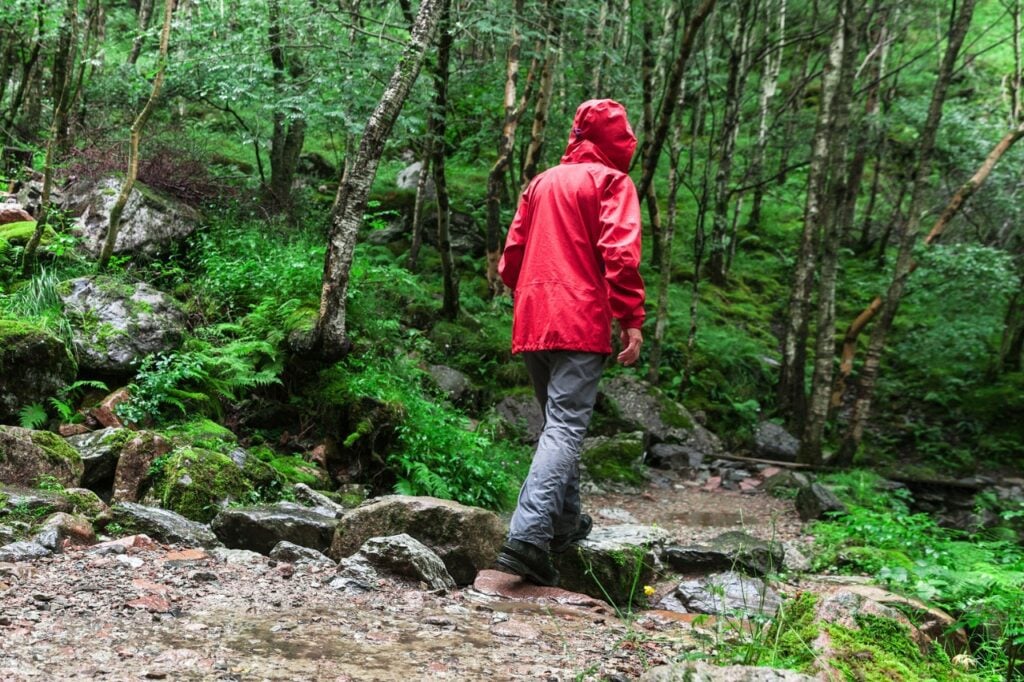
Conditions can change fast, especially in the mountains or on exposed trails.
A lot of hikers head out dressed for perfect weather and forget that wind, rain, cold, or even intense heat can show up without much warning.
That’s how people end up freezing, soaked, or way more exhausted than they expected.
Checking the forecast matters, and bringing one extra layer matters too, probably more than people think.
4. Ignoring the trail map
Some hikers look at the trailhead sign for three seconds and then just start walking like everything will be obvious
Wrong turns happen more easily than people expect, especially when trails split or signs are small or worn out.
It doesn’t take much to end up on a longer route, a harder section, or just completely off track. Even a quick photo of the map can help a lot later.
5. Packing way too much stuff
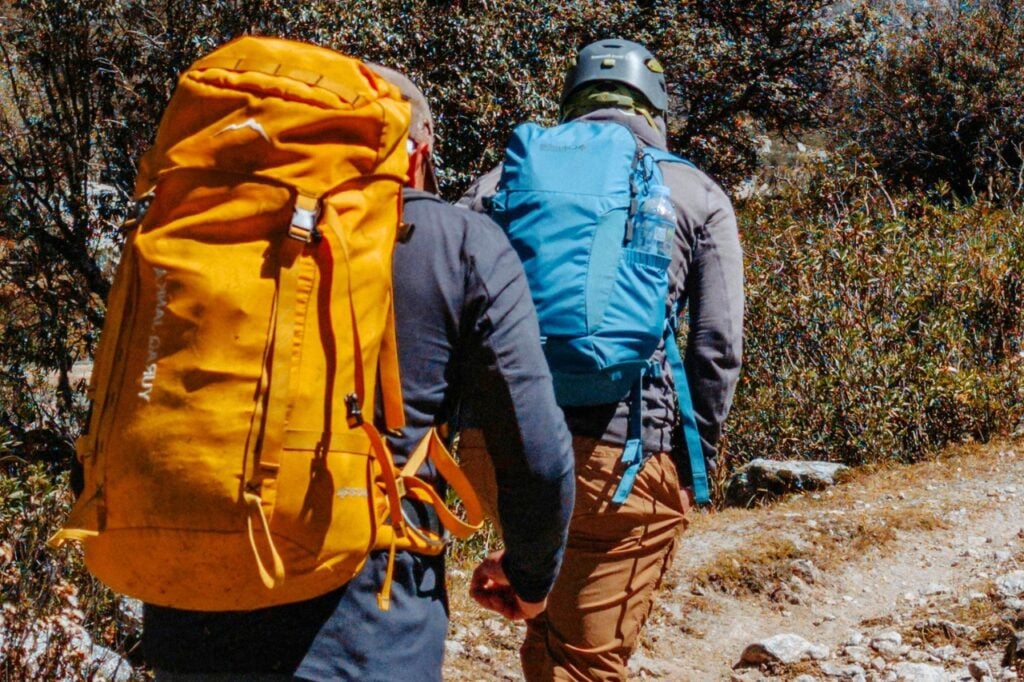
There’s a weird point where being prepared turns into carrying half the house up a hill.
A heavy backpack makes hiking more tiring than it needs to be.
The goal is to bring the right things, not everything that might possibly be useful in some unlikely situation.
Water, snacks, weather layers, navigation, and a few essentials go a long way. The extra “just in case” stuff usually becomes dead weight.
6. Not bringing enough food or snacks
Some people think food only matters on all-day hikes, but even moderate hikes can drain energy more than expected.
A couple of decent snacks can make a huge difference, especially on steep trails or hot days.
Hiking burns through energy quietly. It sneaks up a bit. One minute everything feels fine, then suddenly legs are sluggish.
7. Starting too late in the day
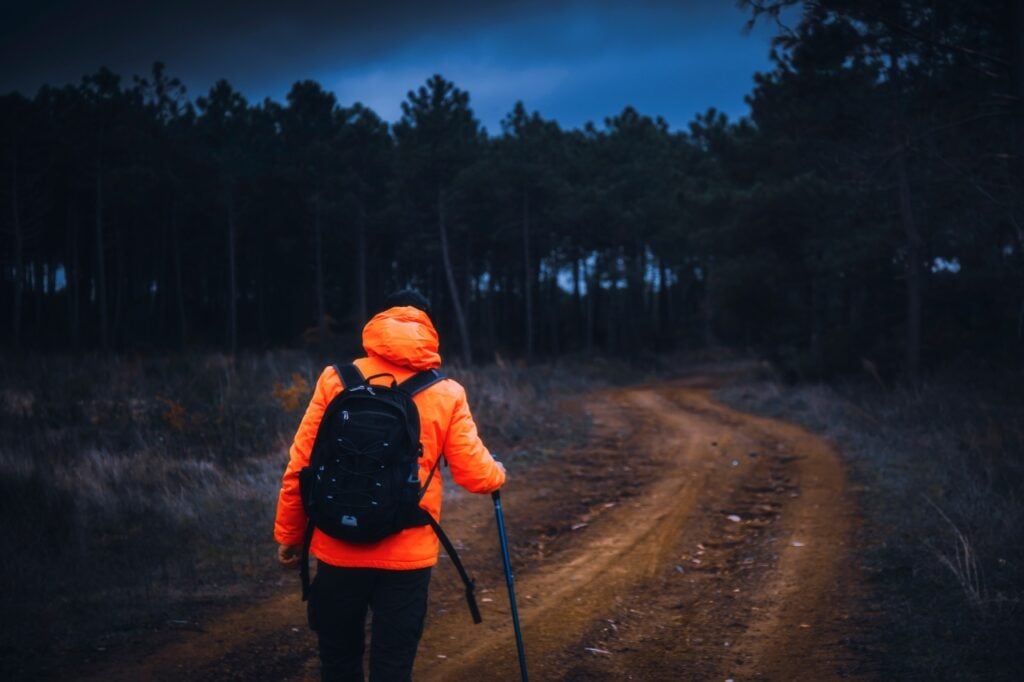
Late starts can create all kinds of problems. Less daylight, more rushing, more stress, and less room for mistakes.
Even a trail that seems easy can take longer than expected if there are breaks, photo stops, confusing intersections, or slow uphill sections.
It’s always better when there’s extra time instead of not enough.
8. Underestimating the trail difficulty
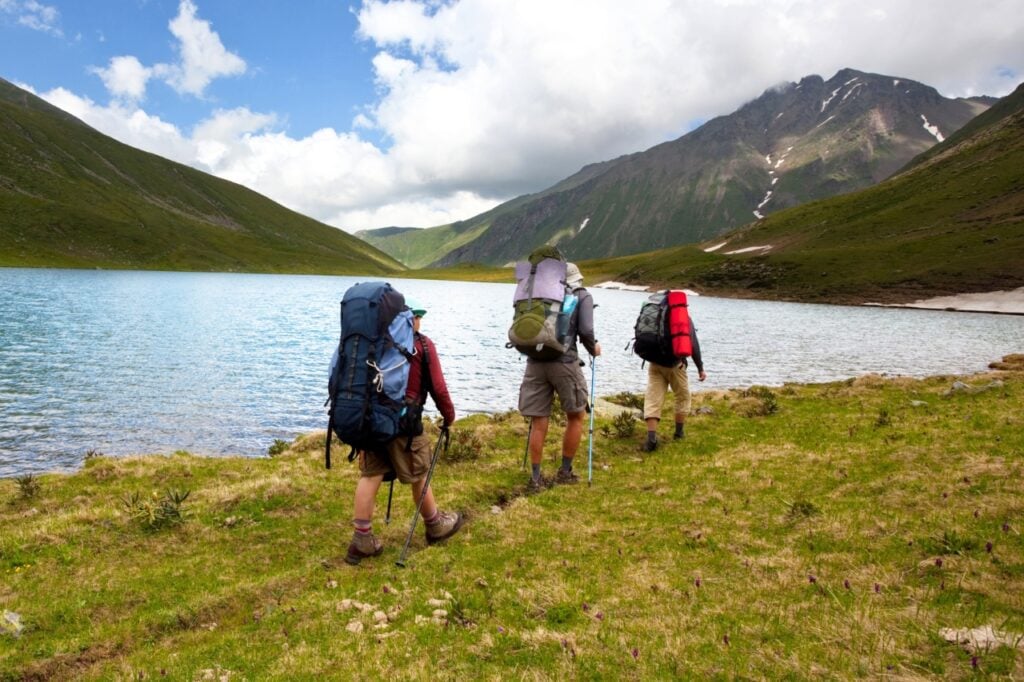
This is one of the biggest hiking mistakes. A trail described as “moderate” can feel very different depending on fitness level, weather, elevation, and experience.
Some people pick hikes based on photos alone. That’s usually not the best plan.
A pretty view online doesn’t show how steep, rocky, exposed, or tiring the trail really is.
It’s smarter to read the details before going, not after getting halfway up and wondering whose idea this was.
9. Forgetting sun protection
It’s easy to think sunburn only happens at the beach, but hiking can be worse in some ways.
A lot of hikers remember water and maybe snacks, but forget sunscreen, sunglasses, or a hat.
Then they get back with a bright red face, sore neck, and that nice exhausted feeling mixed with regret.
10. Not respecting the trail or the surroundings
This includes leaving trash behind, being careless with wildlife, playing music out loud, or wandering off trail just to get a better picture.
Hiking is better when people remember they’re sharing the space.
With nature, with wildlife, and with other hikers too.
A little respect goes a long way out there. Trails stay nicer, safer, and more enjoyable when people treat them well. That part should be basic, but apparently it still needs to be said.

