Spring in the mountains doesn’t always arrive all at once. Sometimes it shows up quietly.
Maybe it’s the first bluebird perched on a fence post. Maybe it’s the whir of wings zipping past a trailhead. Or maybe it’s a flash of yellow in the trees while you’re wondering if winter is finally done.
Each spring, birds return to the Estes Valley after migrations that can span hundreds or even thousands of miles. According to the National Park Service, more than 270 bird species have been documented in Rocky Mountain National Park over the past century, making the area a rewarding place to slow down and notice wildlife in motion.
Many of the best sightings happen where habitats meet — open meadows, wetlands, forests, and lakes. Areas like Moraine Park, Horseshoe Park, Lily Lake, Wild Basin, and the Lake Estes Trail are especially active during spring migration, when colorful songbirds, hummingbirds, and even fishing raptors return to the valley.
If you slow down on the trail for a moment, you may discover the mountains are a lot more alive than they first appear.
Mountain Bluebird
Possibly the most cheerful sign that spring has arrived.
Migration Timing
Arrives in Colorado March through early April, often while snow still lingers.
Quick Facts
• Size: about 7 inches long
• Color: bright sky-blue males, softer gray-blue females
• Known for: vivid color that somehow pops even against snow
Where to Spot Them
• Moraine Park
• Horseshoe Park / Sheep Lakes area
• Upper Beaver Meadows Trail
Bluebirds love open meadows where they can perch and scan for insects.
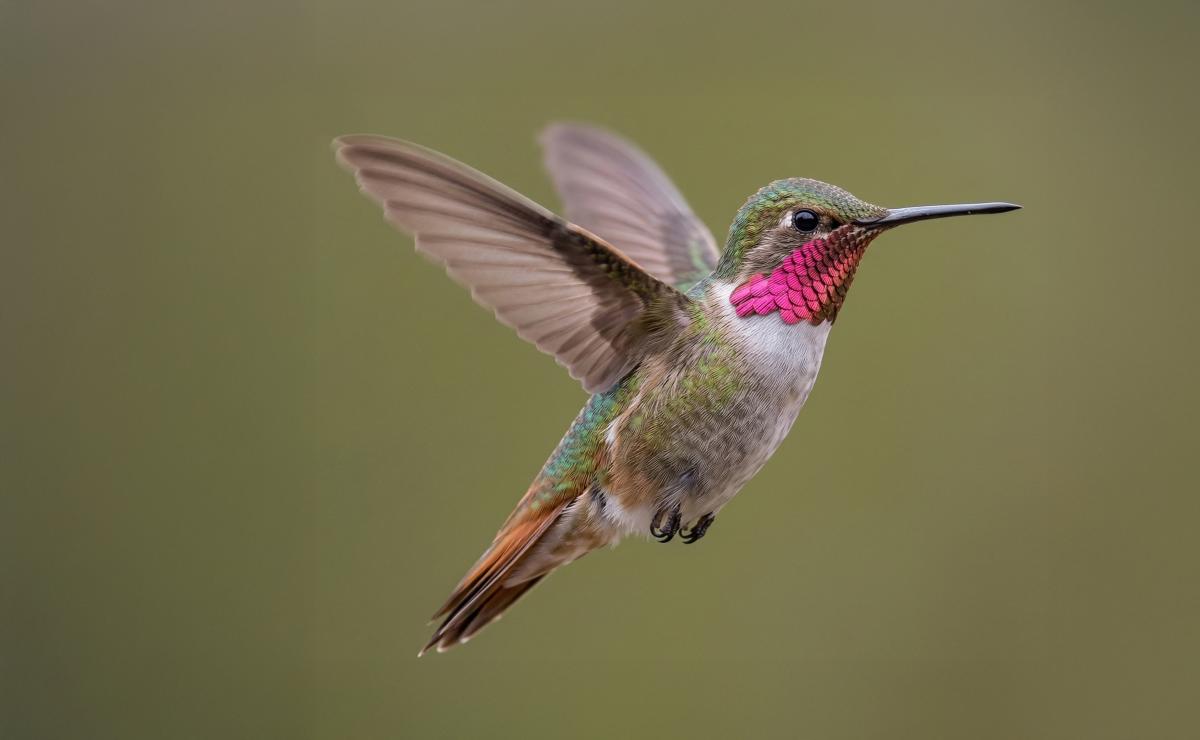
Broad-tailed Hummingbird
Tiny bird, very big journey.
Migration Timing
Returns to Colorado late April through May after migrating north from Mexico and Central America.
Quick Facts
• Size: about 4 inches long
• Sound: wings create a metallic trill
• Males flash a magenta throat in sunlight
Where to Spot Them
• Lily Lake Trail
• Wild Basin area
• Bierstadt Lake Trail
During courtship, males perform dramatic aerial dives. Think tiny stunt pilot over a patch of wildflowers.
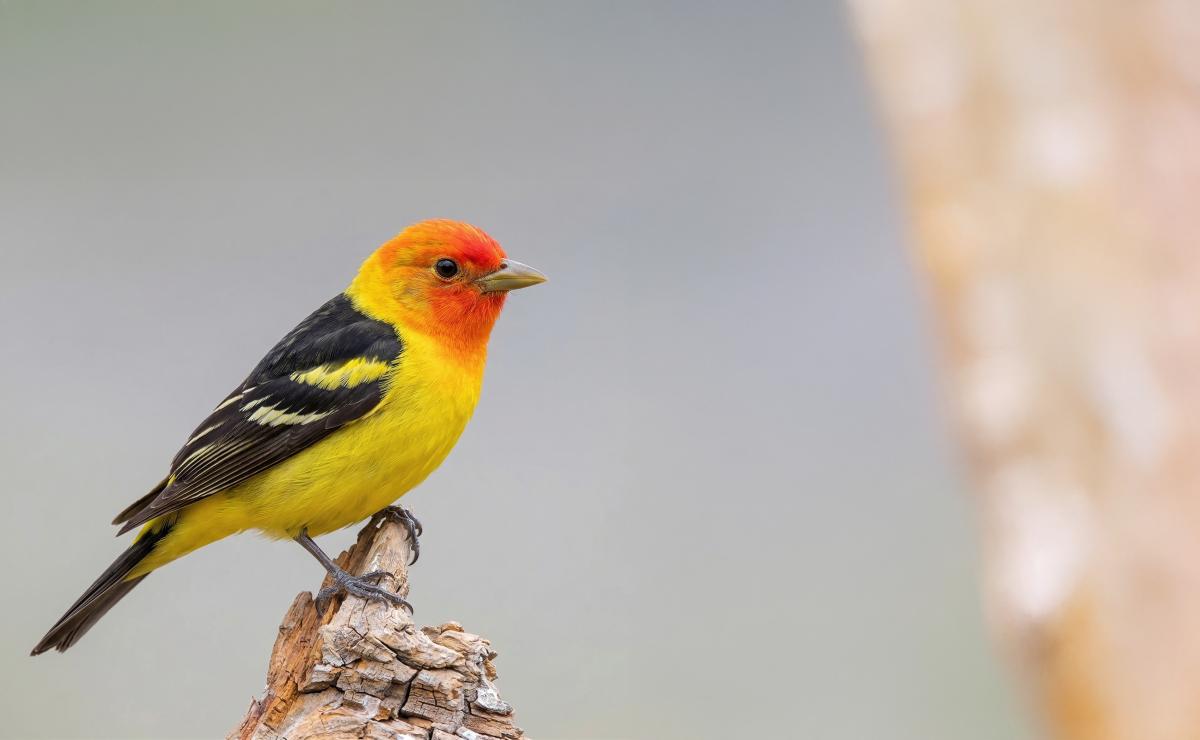
Western Tanager
The bird that looks like it flew in from the tropics.
Migration Timing
Arrives in Colorado May through early June.
Quick Facts
• Size: about 7 inches long
• Color: yellow body, black wings, red-orange head
• Song: similar to a robin but softer
Where to Spot Them
• Cub Lake Trail
• Fern Lake Trail
• Upper Beaver Meadows area
They often stay high in the tree canopy, so sometimes you’ll hear them before you see them.
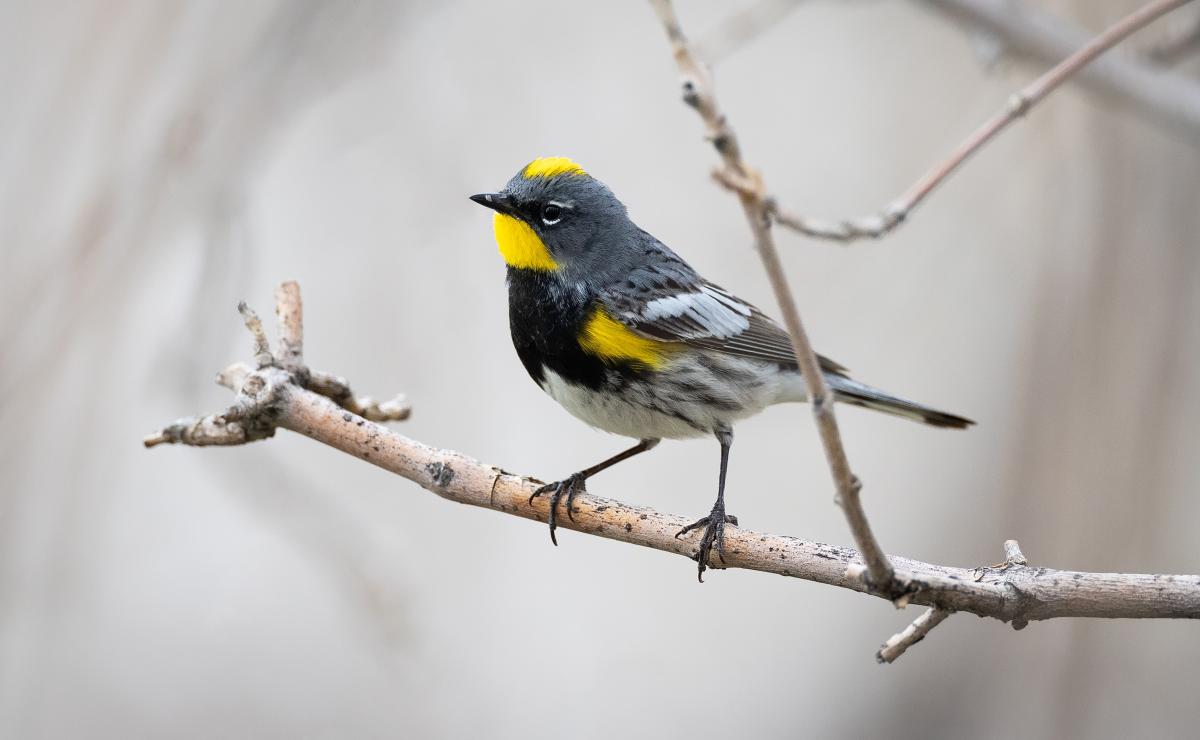
Yellow-rumped Warbler
Small bird, big personality.
Migration Timing
Often appears in Colorado April through early May.
Quick Facts
• Size: about 5.5 inches
• Color: gray with bright yellow patches
• Nickname among birders: “butter butt”
Where to Spot Them
• Lily Lake wetlands
• Endovalley / Old Fall River Road area
• Little Horseshoe Park
They move quickly through branches, flashing that yellow tail patch as they go.
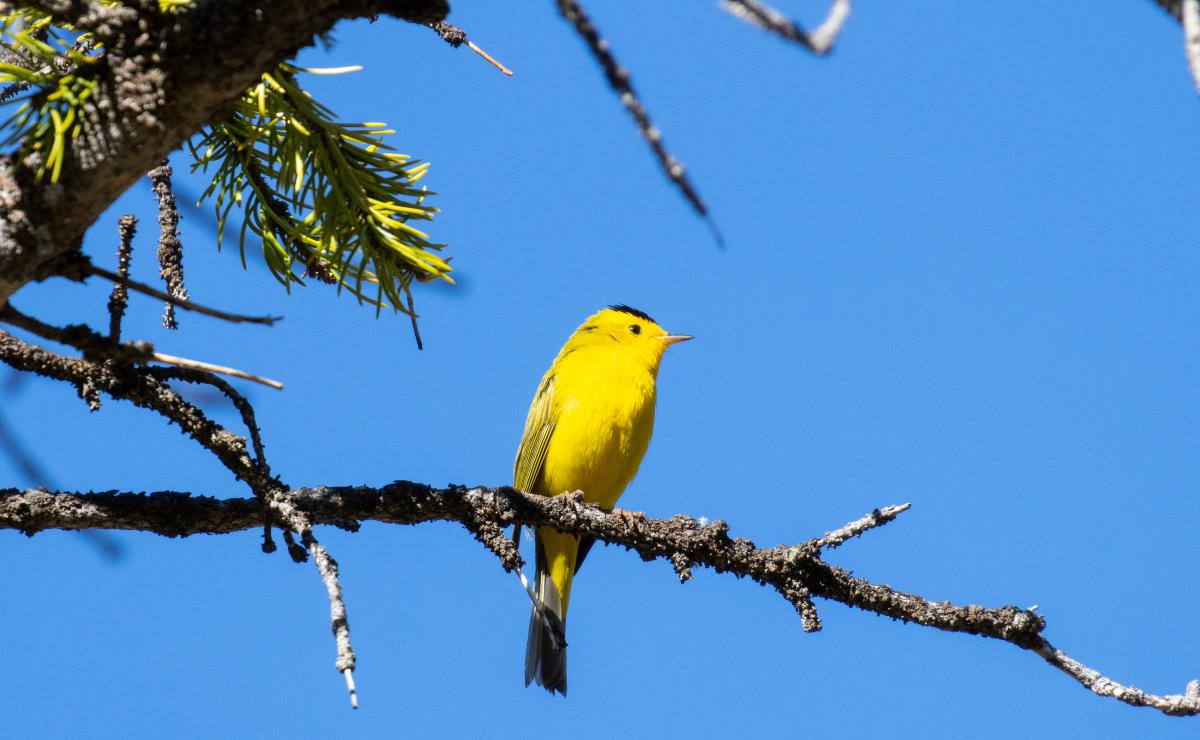
Wilson’s Warbler
Bright yellow with a tiny black cap.
Migration Timing
Moves through the area May through early June.
Quick Facts
• Size: about 4.5–5 inches
• Color: bright yellow with a small black cap
• Habitat: shrubs and willows near water
Where to Spot Them
• Wild Basin trail system
• Cub Lake marsh area
• Lily Lake wetlands
These birds rarely sit still, so spotting one often requires a little patience.
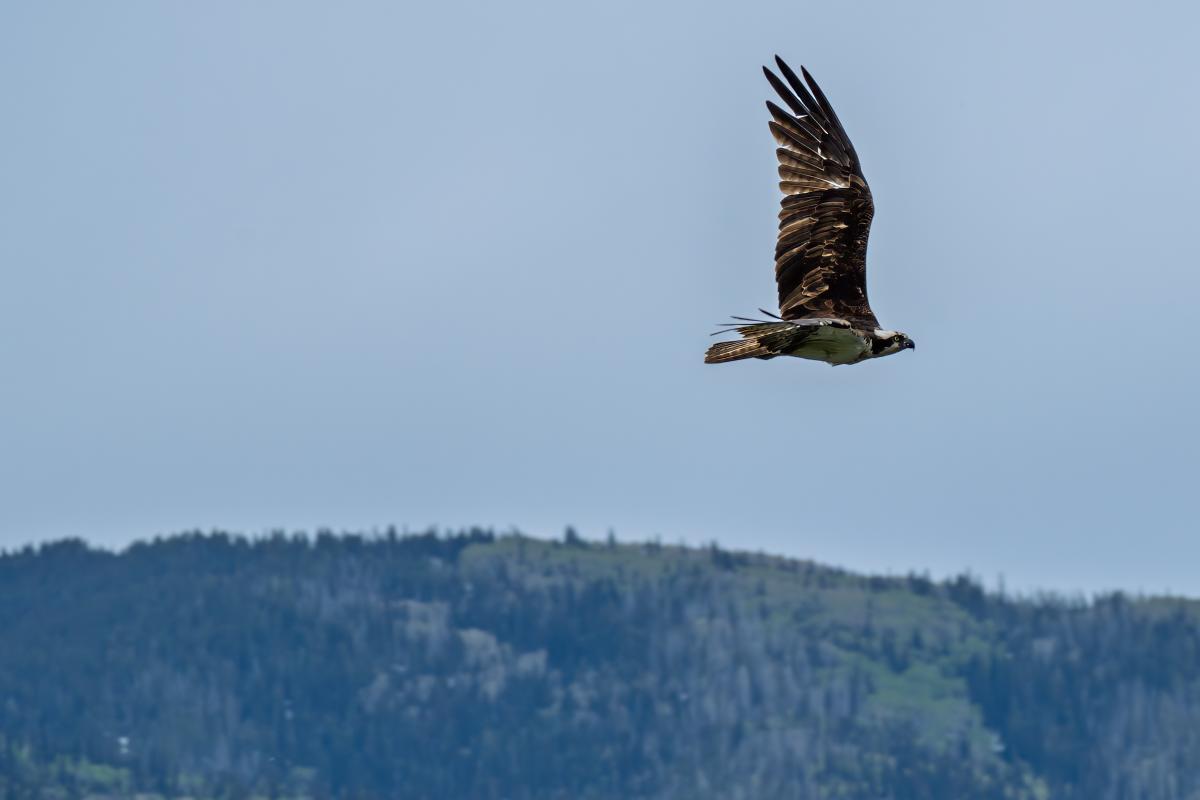
Osprey
The professional fisherman of the Estes Valley.
Migration Timing
Returns to Colorado March through April.
Quick Facts
• Wingspan: 5–6 feet
• Diet: fish
• Hunting style: hover, dive, catch
Where to Spot Them
• Lake Estes Trail
• Sprague Lake
• Big Thompson River corridor
If you see a large bird flying with a fish, there’s a good chance an osprey just had a successful fishing trip.
While colorful songbirds often steal the spotlight during spring migration, birds of prey are also active this time of year as they return to nesting territories across Rocky Mountain National Park.
Why Raptors Matter in Rocky Mountain National Park
Spring is nesting season for many raptors, including hawks, falcons, and eagles.
These birds are keystone predators, helping keep ecosystems balanced by controlling populations of small mammals and other prey species.
Because many raptors nest on cliffs or tall trees, Rocky Mountain National Park may temporarily close certain trails or climbing routes during nesting season. These closures help ensure young birds can grow without disturbance.
Many raptors are protected under federal laws including:
• Migratory Bird Treaty Act
• Bald and Golden Eagle Protection Act
If you encounter a temporary trail closure in spring, it’s often because a raptor family is quietly raising its next generation nearby.
Helpful Bird Identification Apps
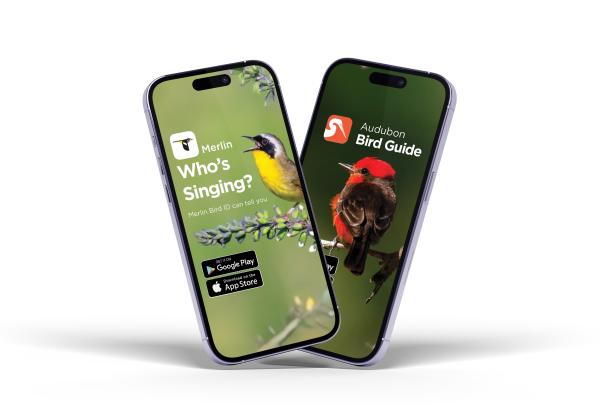
Before heading into Rocky Mountain National Park, consider downloading a bird identification app. Cell service can be limited in many areas of the park, and having an offline guide can make birdwatching easier.
Merlin Bird ID – Cornell Lab of Ornithology
Identify birds using photos, sound recordings, or location.
Audubon Bird Guide App
Includes bird calls, photos, and species descriptions.
Downloading these apps ahead of time allows you to identify birds even without a signal.
Explore Birdwatching with a Local Guide
For those interested in learning more, guided birdwatching tours are available in the Estes Park area with KMAC Guides. Led by a local resident and avian biologist, these small-group outings visit both well-known birding locations and quieter corners of Rocky Mountain National Park and the surrounding valley.

