Education, authenticity, and a deep emotional experience – these are the key factors that draw independent intrepid travellers to lesser-known destinations for an alternative adventure holiday. We take a look at how you can make sure your trip is ethical, respectful, and safe; as well as showcase some key locations accessible from the UK.
CC0 via pixabay
Dark tourism, the antithesis to a beach-front all inclusive
Dark tourism encompasses more than just going on a day-trip on holiday. Typically it is a way of experiencing another culture and location, well away from “holidaymakers” and the comfort of a package deal from the likes of Jet2.
It is for the curious, seasoned traveller who has a thirst for deeper knowledge of some of the more uncomfortable truths about the destinations we go to. Sites connected to historical conflicts, disasters, and tragedy rank highly, as do places currently associated with hardships and upheaval. It is not about voyeurism or sensationalism, it is about learning, understanding and experiencing history first-hand.
Is dark tourism safe?
It can be as safe as any other holiday, after all you need to be mindful of environmental hazards and activities in locations wherever you go. Dark tourism however is more likely to be associated with higher risks due to the extreme nature of some of these sites.
Here’s what to look out for:
Remote locations – there may be limited help or accessibility in case of an emergency e.g The Aral Sea Ship Graveyard in Kazakhstan/Uzbekistan
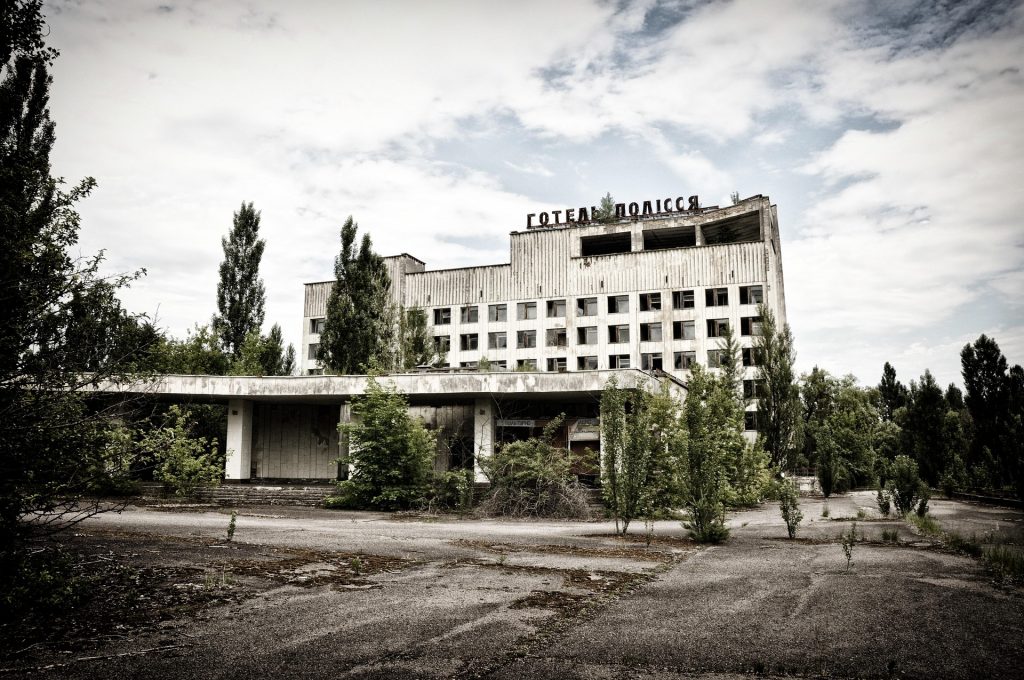
Environmental risks – we’re thinking exposure to radiation and other hazards at dark tourist sites e.g. Chernobyl Exclusion Zone, Ukraine
Structural hazards – exploring abandoned buildings and unstable ruins is a VERY high risk activity even if it’s not in a remote location e.g. Beelitz-Heilstätten, an abandoned WWII-era military sanatorium near Berlin
Political sensitivity – border regions and areas of instability of ongoing conflict e.g. sites of attacks in Israel and Palestine
Check out the FCDO travel warnings for your destination ahead of when you go, and bear in mind that some areas and activities will not be covered by travel insurance as they are deemed unsafe to visit.
How to have an ethical trip
Having a high degree of cultural sensitivity, self-awareness, and decent level of “spidey-sense” goes a long way when ensuring a dark tourist trip remains ethical.
Here’s what to consider:
- Go for the education and understanding
- Sensationalism should never be part of your agenda
- Respect photography rules
- Learn the local etiquette
- Respect local customs
- Consider the impact you are having on the local community
- Do not trespass, and stay well within permitted areas
- Hire a local licensed tour guide
- Do not remove artefacts
- Leave no trace of your visit
These ethical tips don’t just relate to a clear conscience – they also impact the validity of an insurance claim. Illegal activity whether that is trespassing, or not adhering to local customs can invalidate a claim. Incidents on tours by unlicensed guides would also not be covered.
CC0 via pixabay
Dark tourism mistakes you don’t want to make
Your safety is paramount, especially in remote and exotic locations. By following the advice above, you can definitely minimise the risk associated with Dark Tourism, but to be on the safe side, consider these mistakes that you don’t want to make!
- Assuming abandoned sites are accessible for sightseeing – they may be prohibited
- Going off-route from guided tours
- Underestimating rural emergency response times abroad
- Not declaring adventure-style activities to your travel insurance provider
- Booking unofficial or unlicensed tours
- Not sharing your agenda with friends, family and accommodation providers
- Failing to memorise the local emergency number
- Letting your mobile battery drain
- Not taking essential supplies on remote trips
- Neglecting to research specific safety advice for your destination
Ready for an adventure? Dark Tourist Hotspots from the UK
Now you know the risks and what to consider for an ethical trip, you probably want to know where all the dark adventure seekers go. Here are some top destinations:
Abandoned & Urbex
Beelitz-Heilstätten WWII military sanatorium, Berlin – former military hospital with regular guided tours.
The Aral Sea Ship Graveyard in Kazakhstan/Uzbekistan – a remote and desolate desert location makes guided tours essential for exploring.
Nuclear & Disaster
Chernobyl Exclusion Zone, Ukraine – tours are temporarily closed due to the ongoing conflict. It is not recommended to travel there at this time, but the tour operator is hoping to resume tours once it is safe to do so.
Ground Zero, New York, USA – a free memorial and heritage site dedicated to those who lost their lives on 9/11.
War & Genocide
The Tuol Sleng Genocide Museum, Phnom Penh, Cambodia – interrogation and detention centre of the Khmer Rouge open daily for tours.
Auschwitz, Poland – memorial site open daily with numerous tour options and operators.
Paranormal & Occult
Catacombs, Paris, France – make sure you take an official tour to see the remains of over six million Parisians though. Entering the 1.5 km maze of tunnels 20 meters beneath the city unguided is not recommended.
The Witch House, Salem, Massachusetts, USA – there are guided tours of the last standing structure related to the witch trials. The nearby Peabody Museum is home to a huge collection of authentic 1692 Salem Witch Trials material.
Travel Insurance for Dark Tourism Adventures
Make sure you know what cover you have before you travel – get a tailored quote to fit your adventure visit us online or call us on 01892833338.

