From jagged, snow-capped mountains and turquoise lakes to windswept coastlines and ancient temperate rainforests, Canada’s national parks showcase some of the planet’s most dramatic landscapes. While the recent Canada Day often inspires people to get outside and explore their own backyard, there is no better time to discover the active adventures waiting across this massive country. Whether you are planning a long weekend road trip or mapping out a cross-country overland escape, these wild spaces deliver epic experiences in every season.
You can hike high-altitude alpine trails, paddle across glacially fed waters, spot whales along the Pacific, or stand on the seabed at low tide. While Canada protects dozens of unique regions, a handful stand out for their raw energy, vibrant local culture, and world-class trekking routes. Here are 12 of the best Canadian national parks to spark your next big adventure.
Paddle through the peaks in Banff National Park
Canada’s first national park is also its most famous — and it more than earns the hype. Nestled in the heart of the Canadian Rockies, Banff National Park is an absolute playground for hikers and paddlers. The postcard views are real at places like Lake Louise and Moraine Lake, where the water shines an unbelievable electric turquoise due to rock flour running off the glaciers.
Ditch the crowded viewing platforms and lace up your boots to hike the steep trail up to the historic Plain of Six Glaciers Teahouse for a fresh slice of pie with a side of massive mountain vistas. Wildlife sightings are part of daily life here, with elk, bighorn sheep, and occasionally grizzly bears roaming the valleys. Whether you are driving the jaw-dropping Icefields Parkway — one of the most scenic drives in the world — or soaking in the historic natural hot springs, Banff puts you right in the heart of the action.
Discover the sites of Banff on: Canadian Rockies: National Parks Westbound
Scramble where the prairies meet the peaks in Waterton Lakes National Park
In the southwestern corner of Alberta, the rolling prairies slam directly into the sheer stone walls of the Rocky Mountains. This dramatic collision forms Waterton Lakes National Park, a compact but mighty wilderness packed with red rock canyons, fields of colourful wildflowers, and deep, windswept lakes.
The biggest draw here is the famous Crypt Lake Trail, a thrilling trek that requires a boat ride across the water to reach the trailhead, followed by a climb up a steel ladder, a scramble through a natural 18m (59 ft) stone tunnel, and a walk along a scenic cliff-edge path. Waterton also shares an international border with Glacier National Park in the United States, together creating the world’s first International Peace Park — proving that nature does not much care about borders.
Hike in Waterton Lakes on: Active West Coast & Canadian Rockies
Go stargazing in Jasper National Park
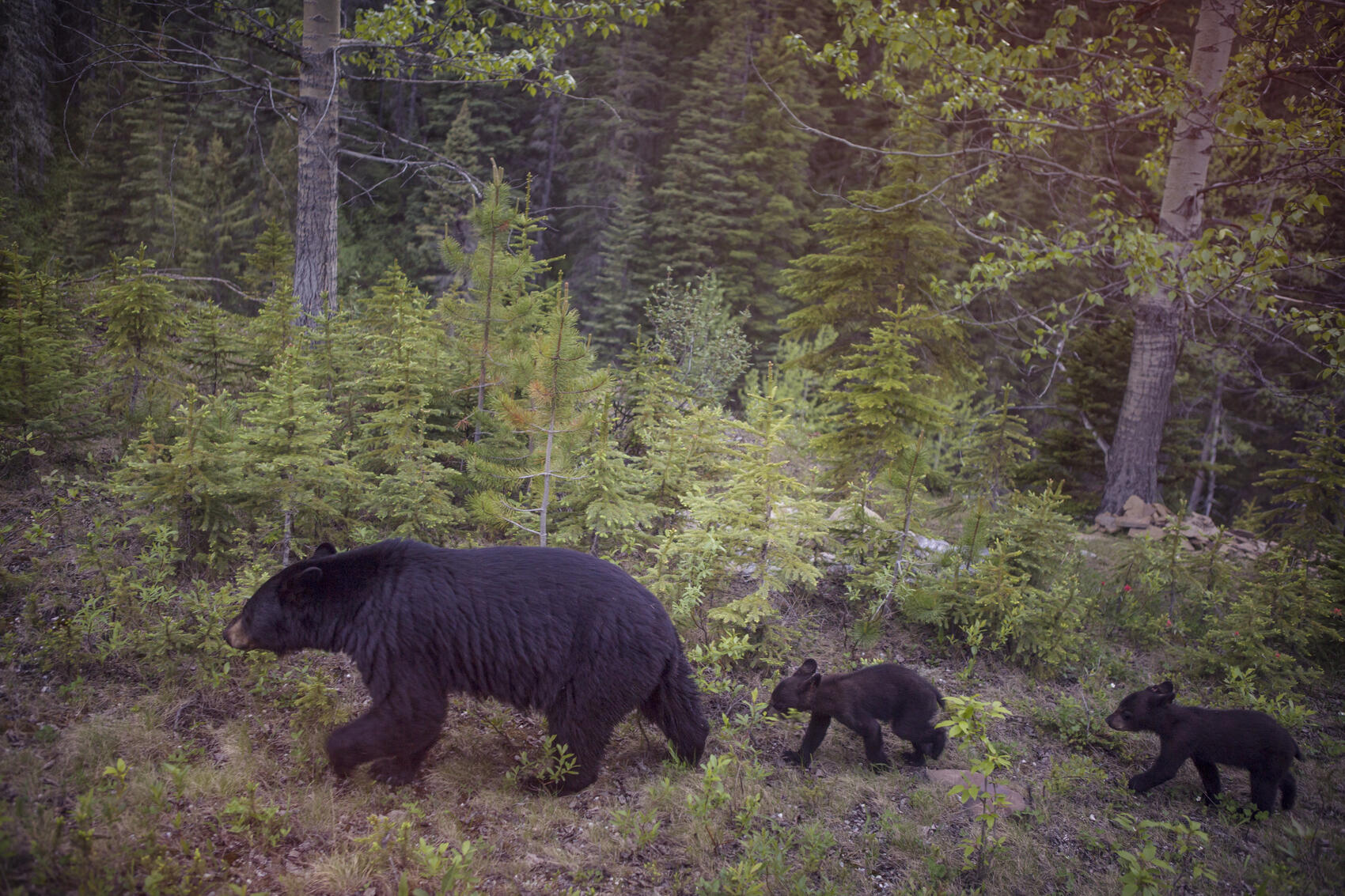
Just north of Banff, Jasper National Park offers a wilder, more rugged Rocky Mountain experience with a bit more breathing room. As the largest national park in the Canadian Rockies, it is a land of massive glaciers, thundering waterfalls, wild river canyons, and wildlife including black bears and beavers.
Take the Jasper SkyTram up Whistlers Mountain for a panoramic view that stretches for miles, or rent a canoe to explore the deep blue waters of Maligne Lake, paddling out toward the iconic Spirit Island. Jasper is also one of the world’s largest Dark Sky Preserves. When the sun goes down, the lack of light pollution reveals a brilliant canopy of stars and the occasional dance of the Northern Lights. It is the perfect spot for travellers who want to escape the crowds and connect with the raw elements.
Visit Jasper National Park on: Journeys: Discover the Canadian Rockies – Westbound
Canoe the winding waterways of La Mauricie National Park
Located in the Laurentian Mountains of Québec, La Mauricie National Park is a maze of dense forests, rounded hills, and more than 150 lakes. It’s a traditional canoe-camping paradise where you can portage from one pristine body of water to the next, falling asleep to the eerie call of loon birds.
Autumn is a spectacular time to visit, as the thick canopy of maples and birches erupts into a fiery display of red, orange, and yellow foliage. Keep your eyes peeled for moose wading through the shallows, busy beavers building dams, and black bears foraging in the brush. It is a brilliant destination for those who want to experience the classic Canadian shield landscape beyond the dramatic heights of the western mountains.
Walk the red sandstone shores of Prince Edward Island National Park
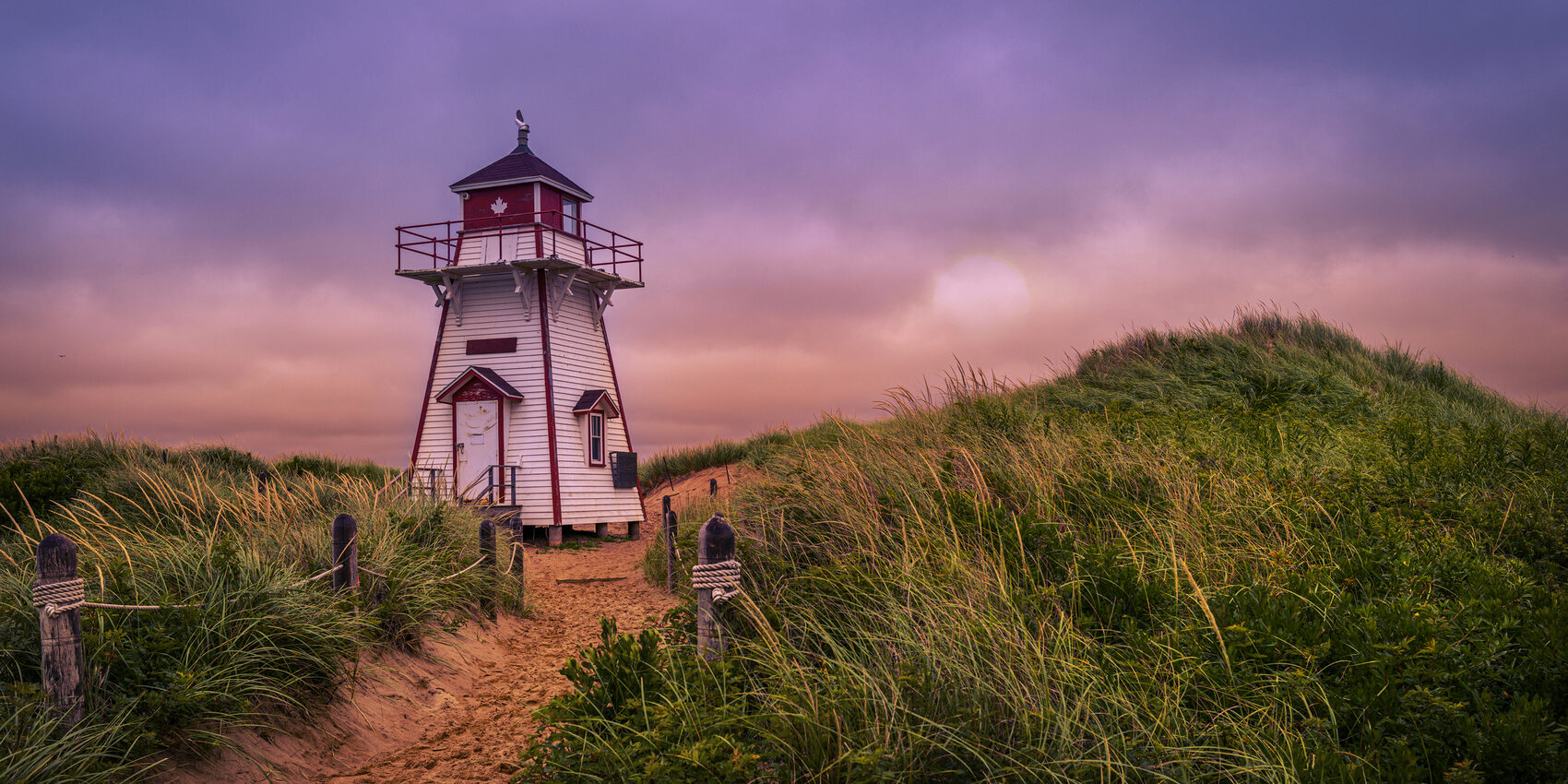
Golden sand dunes, windswept marram grass, and striking red sandstone cliffs define Prince Edward Island National Park. Stretching along the island’s north shore, this coastal park protects a delicate ecosystem of salt marshes, sandspits, and Acadian forest.
The best way to explore is on two wheels, cycling the multi-use paths that trace the edge of the waters of the Atlantic Ocean. Take a walk along the Greenwich dunes trail, crossing a floating boardwalk that winds over a shifting landscape of parabolic dunes. Literary fans can visit the Green Gables Heritage Place nearby, but the real star is the coast itself; where the Gulf of St. Lawrence brings warm summer waters perfect for a post-hike dip.
Discover Prince Edward Island on: Coastal Treasures of the Canadian Maritimes
Discover the colourful depths of Kootenay National Park
Just across the continental divide from Banff lies Kootenay National Park, a place of dramatic contrasts where you can explore everything from icy glaciers to dry, cactus-lined grasslands. Stretch your legs at Marble Canyon, where a rushing turquoise river has carved a deep, narrow gorge into the limestone.
You can cross the wooden footbridges to look straight down into the swirling foam below. Afterward, hike through the Radium Hot Springs canyon or trek the early sections of the famous Rockwall Trail, where alpine meadows burst with summer wildflowers. Because it sees fewer crowds than its neighbours, Kootenay allows you to experience the sheer scale of the Rockies at your own pace and with basically no-one else!
Walk on the earth’s mantle in Gros Morne National Park
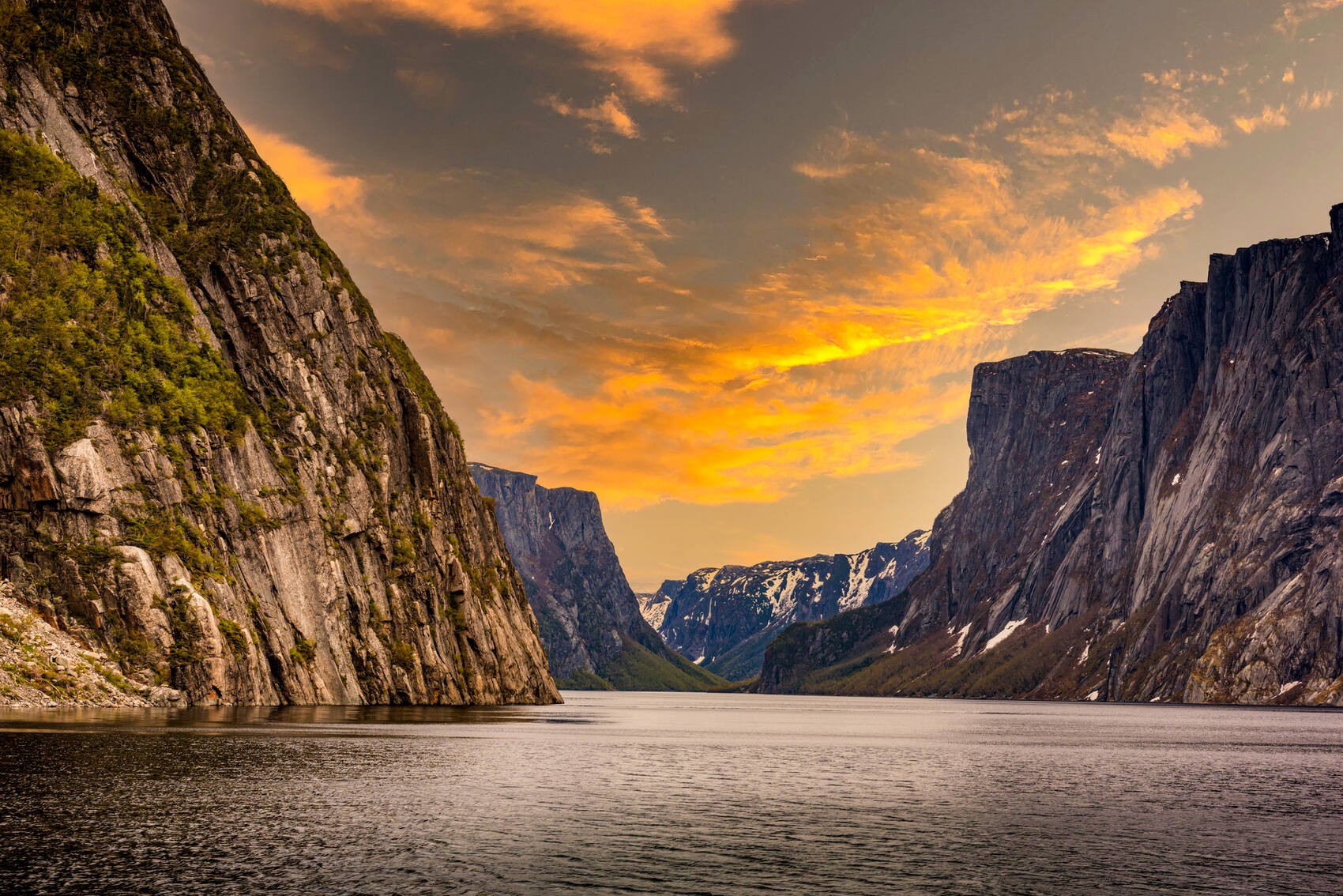
A UNESCO World Heritage Site on Newfoundland’s rugged west coast, Gros Morne National Park is a geological wonderland. The park’s most surreal feature is the Tablelands, a barren, orange-brown desert mountain where a tectonic collision millions of years ago pushed the Earth’s mantle right up to the surface. It is one of the few places on the planet where you can literally walk on the inside of the earth.
For a complete change of scenery, lace up your boots for the challenging hike to the top of Gros Morne Mountain, or hop on a scenic boat tour to cruise through Western Brook Pond; a massive, landlocked fjord walled by sheer cliffs that rise 650m (2,133 ft) above the water.
Explore Gros Morne on: Newfoundland Adventure: From Signal Hill to Gros Morne
Surf the wild edge of Pacific Rim National Park Reserve
On the rugged west coast of Vancouver Island, Pacific Rim National Park Reserve combines wild beaches, ancient temperate rainforests, and rich marine life. The park is a sensory overload: the smell of cedar, the roar of the Pacific, and the sight of massive driftwood logs scattered across the sand.
Surf the rolling breaks at Long Beach, which draws wave-riders from all over the world, or walk the elevated wooden boardwalks of the Rainforest Trail beneath giant cedar and spruce trees that have stood for centuries. Depending on the season, you can stand on the rocky headlands of the Nuu-chah-nulth trail and spot migrating grey whales, sea lions, and bald eagles just offshore. It’s the ultimate destination to experience the raw, untamed energy of Canada’s west coast.
Witness the thundering waters of Yoho National Park
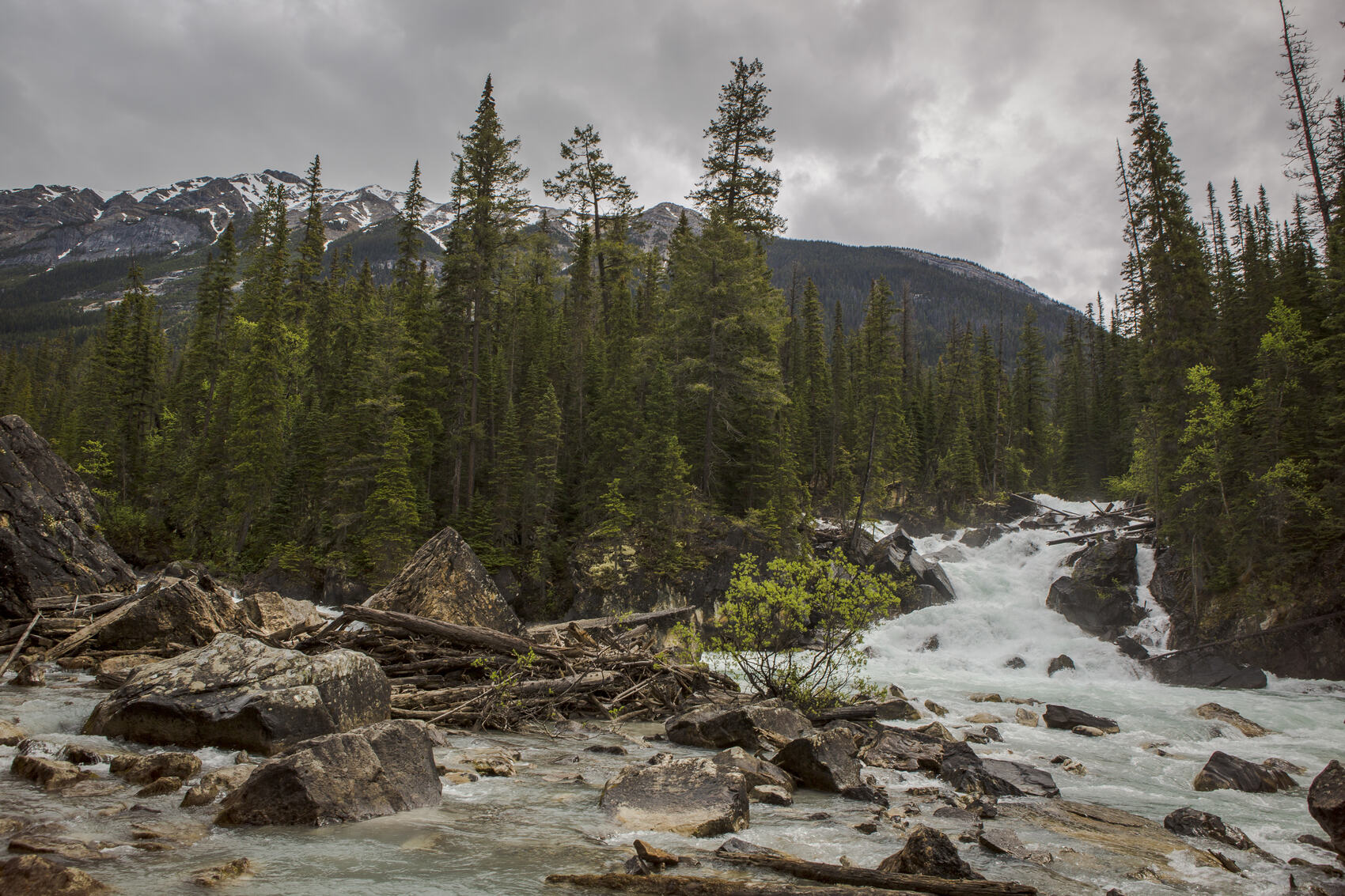
Taking its name from a Cree word expressing awe and wonder, Yoho National Park absolutely delivers on that promise. Tucked on the western slopes of the Canadian Rockies in British Columbia, Yoho is packed with vertical rock walls, roaring waterfalls, and world-famous fossil sites.
Stand in awe at the base of Takakkaw Falls, one of Canada’s tallest waterfalls, to feel the cold glacial mist hit your face as the water plunges 373m (1,224 ft) into the valley below. Rent a canoe at Emerald Lake to see water so brilliantly green it looks artificial, or hike up to the Burgess Shale fossil beds to see the preserved remains of sea creatures that lived half a billion years ago.
Stand on the ocean floor at Fundy National Park
Home to the spectacular Bay of Fundy in New Brunswick, Fundy National Park is the best place to witness the highest tides on the planet. Twice a day, 160 billion tonnes of seawater pump into the bay, causing the water levels to shift by up to 12m (39 ft).
At low tide, you can put on your rubber boots and walk right out onto the muddy ocean floor, exploring sea caves and looking for tiny marine creatures around the base of the massive, tree-covered Hopewell Rocks (located just outside of the park boundaries). When the tide rolls back in, grab a paddle and kayak over the exact spots you were walking on hours earlier. Inland, the park offers over 100km (62 mi) of hiking trails through dense Acadian forest, leading to hidden waterfalls and quiet river valleys.
**Head to Fundy National Park on: Coastal Treasures of the Canadian Maritimes
Scale the misty summits of Parc National des Monts-Valin
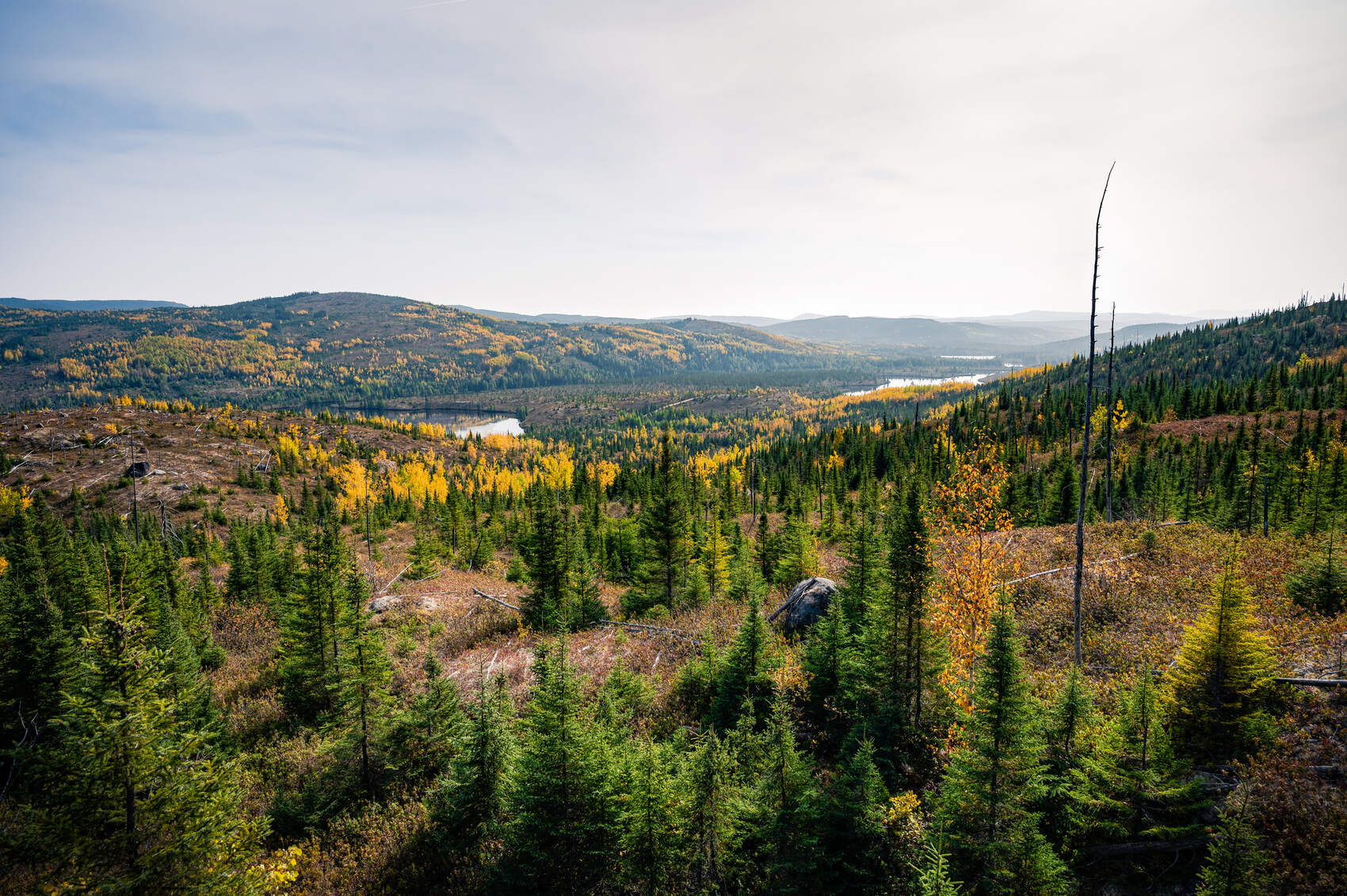
Rising high above Québec’s Saguenay-Lac-Saint-Jean region, Parc National des Monts-Valin is a dramatic playground of steep peaks, deep valleys, and fishing lakes that offers a striking contrast to the rolling hills found elsewhere in the province. Lace up your boots and tackle the Pic-Dubuc trail, a challenging trek that rewards you with sweeping, panoramic views of the entire region from a jaw-dropping height of 984m (3,228 ft).
If you visit here during the winter months, the park completely transforms into an otherworldly wonderland. Heavy, wet snow coats the subalpine black spruce trees, turning them into massive, ghostly shapes known locally as les fantômes (the ghosts). Whether you are snowshoeing through these frozen giants or canoeing the winding Valin River in the summer heat, it is a spectacular slice of rugged Québec wilderness.
Venture into the frozen tundra of Wapusk National Park
For the ultimate frontier experience, Wapusk National Park sits right on the edge of Hudson Bay in northern Manitoba. Covering 11,475 sq km (4,430 sq mi) of subarctic tundra, peatlands, and boreal forest, this is one of the most remote and untamed wild spaces in North America. The park’s name comes from the Cree word for ‘white bear’ — a fitting title for a region that protects one of the largest polar bear maternity denning areas on the entire planet.
Because there are no roads into the park, visiting Wapusk requires real planning and a spirit of true adventure. You access this wild terrain via helicopter or specialized tundra vehicles from nearby Churchill. Depending on the season, you can witness polar bear cubs taking their very first steps onto the sea ice, spot massive herds of barren-ground caribou migrating across the permafrost, or watch the night sky erupt in a brilliant display of the Northern Lights.
Read more:
Beaut-eh things to do in the Canadian Rockies
How this British Columbia project is restoring Canada’s disappearing Kelp forests
10 jaw-droppingly beautiful landscapes every traveller should see

