Port days are one of the best parts of cruising.
You wake up somewhere new, grab breakfast, walk off the ship, and suddenly you’re in a completely different place than where you were yesterday.
Maybe it’s a beach town, a busy market, and of course, it’s normal to want to bring something back.
But there are some things you really should not bring back. Some are against cruise line rules. Some can cause problems at security.
No matter how good the idea seemed while you were walking around the port, here are 10 things you should never bring back!
1. Fresh Fruit, Plants, Or Seeds
This is one of those things people do without thinking.
Maybe you buy a mango from a local market. Or you pick up some beautiful tropical fruit because it smells amazing.
The problem is that fruit, plants, and seeds can carry pests, diseases, or things that are not allowed into certain countries.
Cruise ships and customs officers take this seriously. Even if it feels harmless, it can still get taken away. In some places, it can also lead to a fine.
Enjoy it in port if it’s safe to eat, but don’t try to carry it back on the ship or take it home in your suitcase.
2. Shells, Coral, Or Sand From The Beach
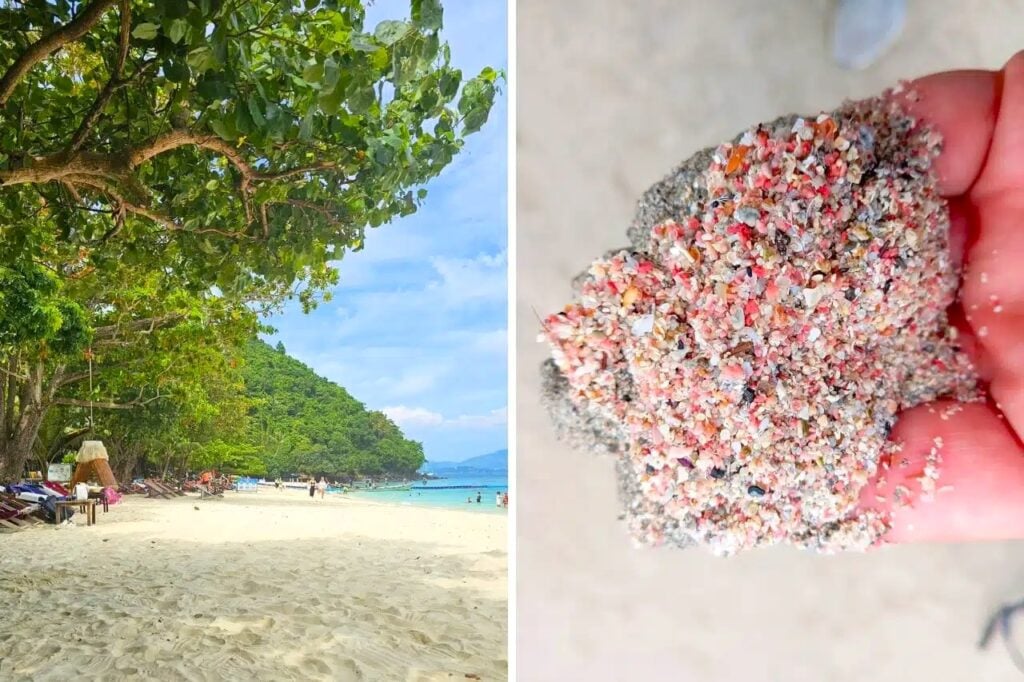
This one surprises a lot of cruisers. You’re walking along a beautiful beach, you see a perfect shell, and it feels like the best souvenir in the world.
But in many places, taking shells, coral, rocks, or sand is not allowed. Some islands and coastal areas protect these things because they are part of the local environment.
Coral is especially a bad idea. Even broken pieces can be protected, and bringing it back can cause problems at customs or at ship security.
Take photos instead. I know, it sounds less fun, but you won’t have to explain a suspicious bag of sand to anyone later.
3. Fake Designer Bags, Watches, Or Sunglasses
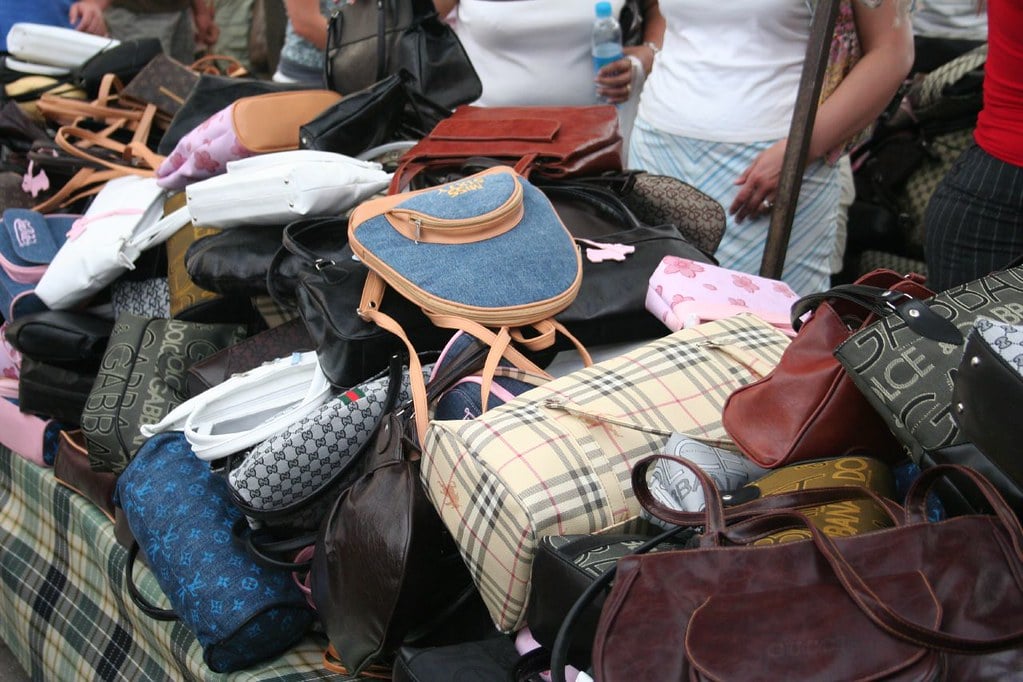
A lot of ports have markets where you’ll see “designer” bags, watches, sunglasses, wallets, shoes, and all kinds of brand-name items for suspiciously low prices.
And yes, sometimes the sellers are very convincing.
But counterfeit goods can be illegal to bring home, depending on where you are traveling. They can also be poor quality, overpriced for what they are, and just not worth the risk.
Even if nobody stops you, it still supports a shady business. And half the time, the item starts falling apart before the cruise is even over.
4. Food That Is Not Sealed Or Clearly Packaged

Packaged snacks are usually allowed back on board, depending on where you are and where you’re going.
But loose food, homemade food, or fresh food packed into a napkin or container can become a problem.
Not only can it be restricted, but it can also be messy and unsafe.
Cruise cabins are not exactly built for storing questionable food from a hot port day. Things leak. Things smell.
If you want to try local food, eat it while you’re there. That’s the best way anyway.
5. Alcohol You Think You Can Drink Onboard

This is a classic cruise mistake.
Many cruisers buy alcohol in port thinking they can bring it back to the cabin and enjoy it on the balcony later. But most cruise lines don’t allow that.
Usually, when you return to the ship, the alcohol gets collected and stored until the end of the cruise. You’ll get it back later, but you probably won’t be drinking it that night.
Rules vary by cruise line, but don’t assume you can just walk onboard with a bottle of rum and carry it straight to your room.
Also, be careful with local bottles that are not sealed properly or don’t have clear labels.
6. Weapons Or Anything That Looks Like One
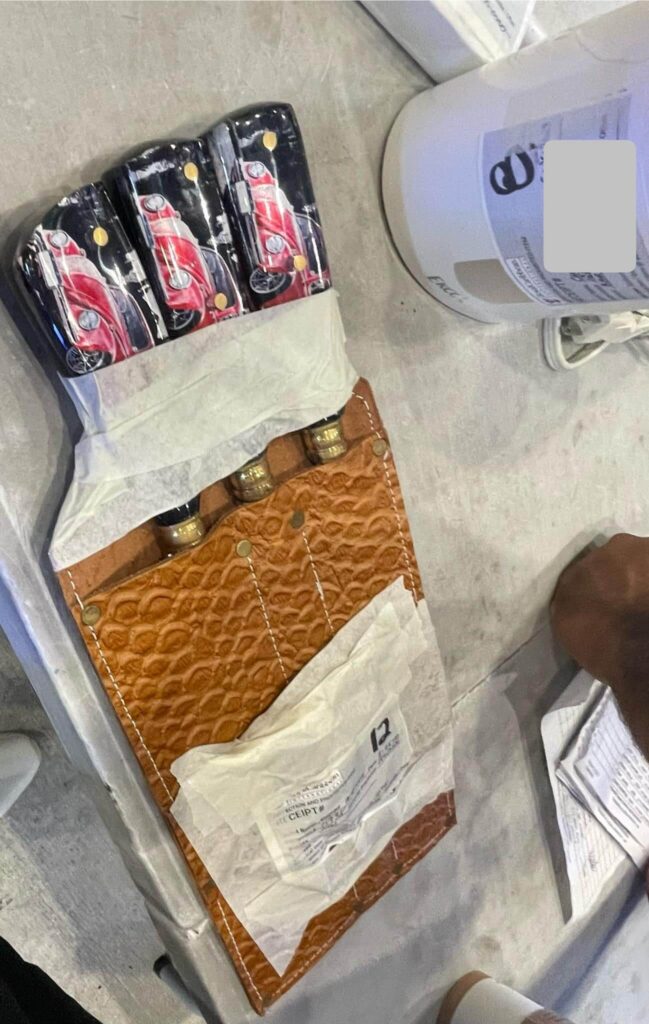
Knives, machetes, swords, brass knuckles, stun devices, sharp decorative items, and even realistic toy weapons can create a big problem when you return to the ship.
Some people buy these as souvenirs without really thinking it through. A small decorative knife from a local market might seem harmless.
But ship security may not care that it’s “just for display.”
Weapons, blades, and even some replicas are among the items that cruise ship security always confiscates.
And trying to board with prohibited items can become much more serious than simply losing the souvenir. It’s also one of the possible reasons passengers can be denied boarding on a cruise.
7. Too Many “Great Deals” You Don’t Actually Need

This is not always about rules. Sometimes it’s just common sense.
Port shops are very good at making things feel urgent. The seller tells you it’s handmade, special price, only today, best deal, cousin’s shop, local family, and all that.
Next thing you know, you’re carrying three bags of stuff you didn’t plan to buy.
Then you get back to your cabin and realize you bought a wooden turtle, five fridge magnets, two hats, a beach cover-up, a bracelet, and some mystery soap.
I’m not saying don’t shop. Shopping in port can be fun.
But don’t bring back a suitcase full of things just because the price felt good in the moment.
Overpacking is already one of the most common cruise packing mistakes, and filling the extra space with random souvenirs doesn’t make things any easier.
8. Animals, Animal Products, Or Questionable Leather Items
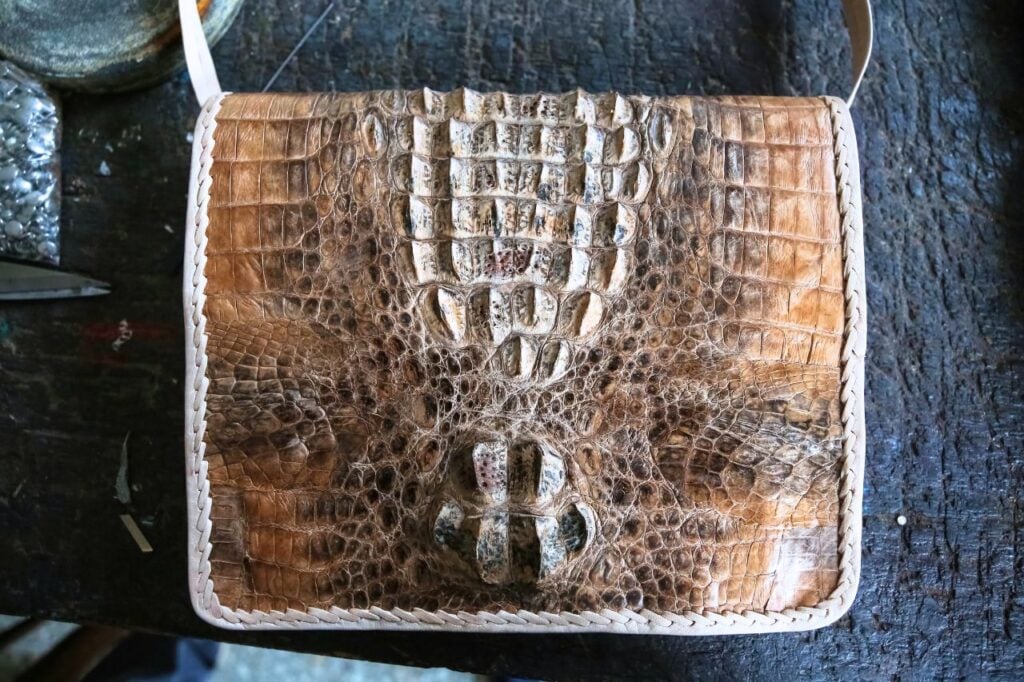
Some souvenirs made from animal products can cause serious customs issues.
This can include certain shells, teeth, bones, feathers, reptile leather, turtle shell products, ivory, dried sea creatures, and other items that might come from protected animals.
The tricky part is that sellers may tell you it’s fine. Of course they will. They want to sell it.
But customs officers may not agree. And you may not always know what the item is really made from.
If something looks like it came from a wild animal, rare animal, sea turtle, reptile, or protected marine life, skip it. Even if it looks beautiful.
9. Muddy Shoes, Wet Towels, Or Sandy Bags
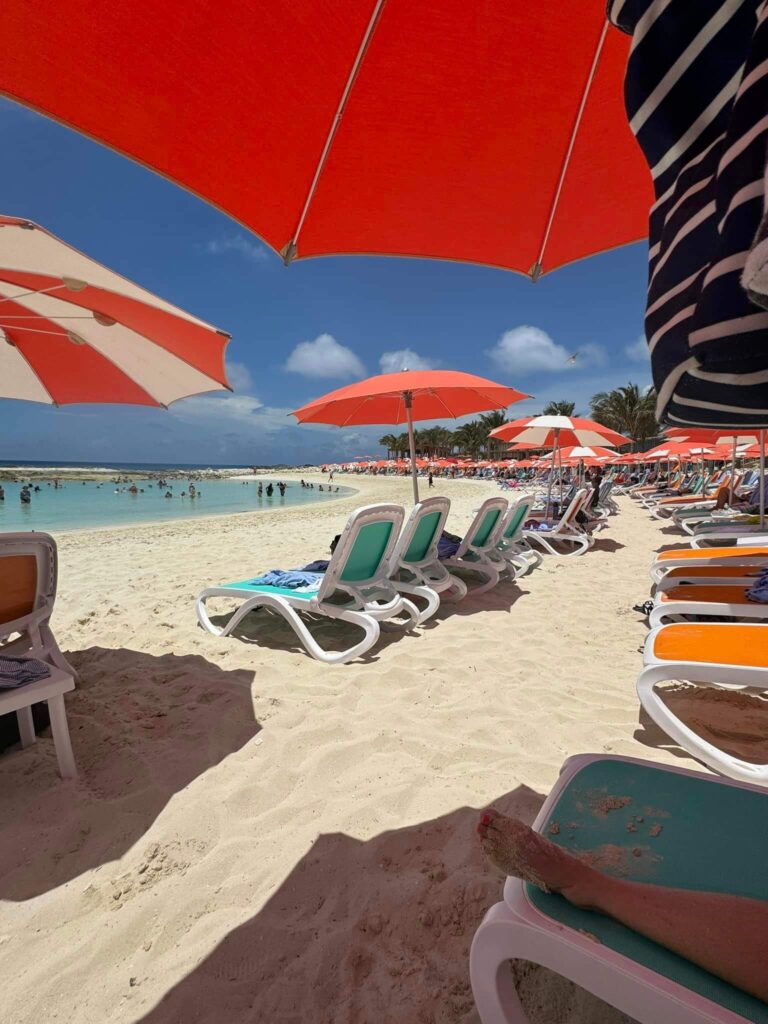
After a beach day, jungle tour, ATV ride, or rainy excursion, your shoes and bags can come back covered in mud, sand, saltwater, or who knows what else.
That stuff ends up in your cabin. Then in the shower. Then somehow in the bed, because sand has a talent for appearing everywhere.
If you did an outdoor excursion, clean your shoes as much as you can before getting back onboard.
Shake out towels and bags. Use plastic bags for wet items. Don’t just toss everything into the cabin and hope for the best.
If you tend to come back from excursions with half the beach in your bag, it’s also worth knowing the things people often forget to pack for a cruise, since a few simple items can make messy port days much easier.
10. Anything You Are Not Sure Is Allowed
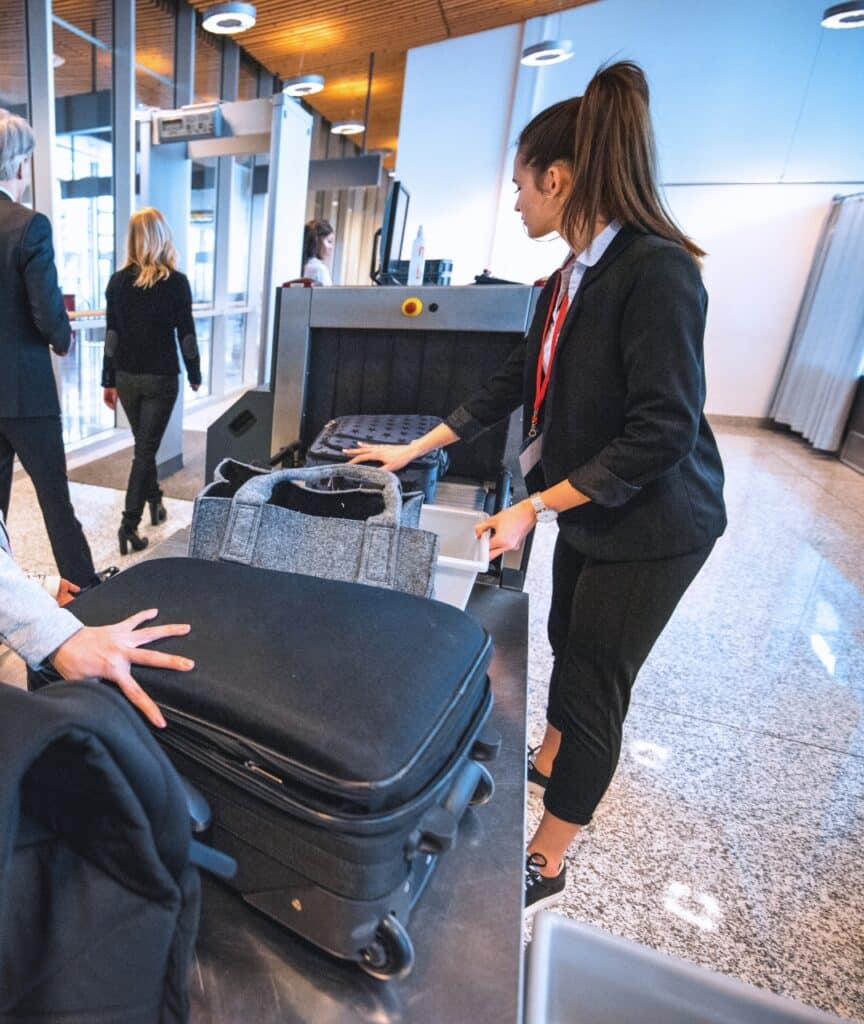
This is probably the most important one.
If you are standing in a port shop thinking, “Hmm, I wonder if I’m allowed to bring this back,” that’s your warning sign.
Ask before you buy. Check the cruise line rules. Think about customs rules for your home country. And remember that rules can be different depending on where the cruise is sailing.
Some things may be fine in one port and not fine in another. Some things may be allowed on the ship but not allowed through customs when you fly home.
When in doubt, don’t buy it.
That sounds boring, I know. But it’s better than losing money, getting something confiscated, or holding up the line while everyone behind you silently judges your bag of questionable souvenirs.
The same principle applies before your cruise too. If you’re unsure about something you plan to pack, check the list of things you should not bring on a cruise before putting it in your suitcase.

