If we had a dollar for every time an ocean cruiser asked us about river cruises, we could retire. You aren’t the only one who has seen ads for the long, skinny vessels gliding past picturesque castles and wondered what river cruising is all about.
Here’s a rundown of what you can expect on a river cruise vs. ocean cruises you already know and love. We’ll take a look at everything from ship sizes and itineraries to onboard offerings and pricing.
General Notes on River Cruises vs. Ocean Cruises
Before we dive into the particulars, here are some general things to keep in mind:
River cruises are destination immersive.
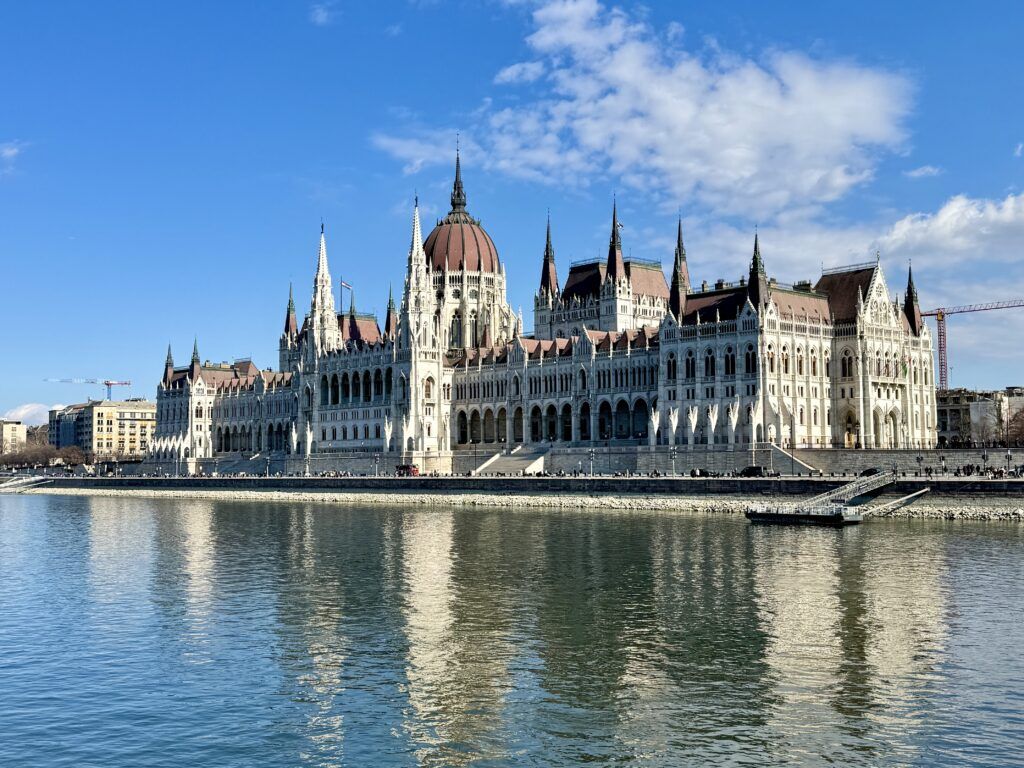
Because the distance between ports on most river itineraries is closer than the distance between ports on ocean cruise schedules, you can expect to visit several ports in the same country. That means you’ll find a more immersive experience on a river sailing that you will on an ocean cruise.

Expect to go, go, go.
Another effect of river ports’ proximity is that you’ll have fewer sailing days or “sea days” on a river cruise than on an ocean voyage. (One notable exception is scenic Rhine Gorge sailing, which cruise lines build in so passengers can enjoy castle views.)
You might even have days where you visit more than one port – one in the morning after breakfast and another in the afternoon between lunch and dinner. With that much sightseeing, we often find river cruises to be more exhausting and less relaxing than ocean ones, despite the fact that there are fewer onboard amenities on the rivers.
Docking is different.
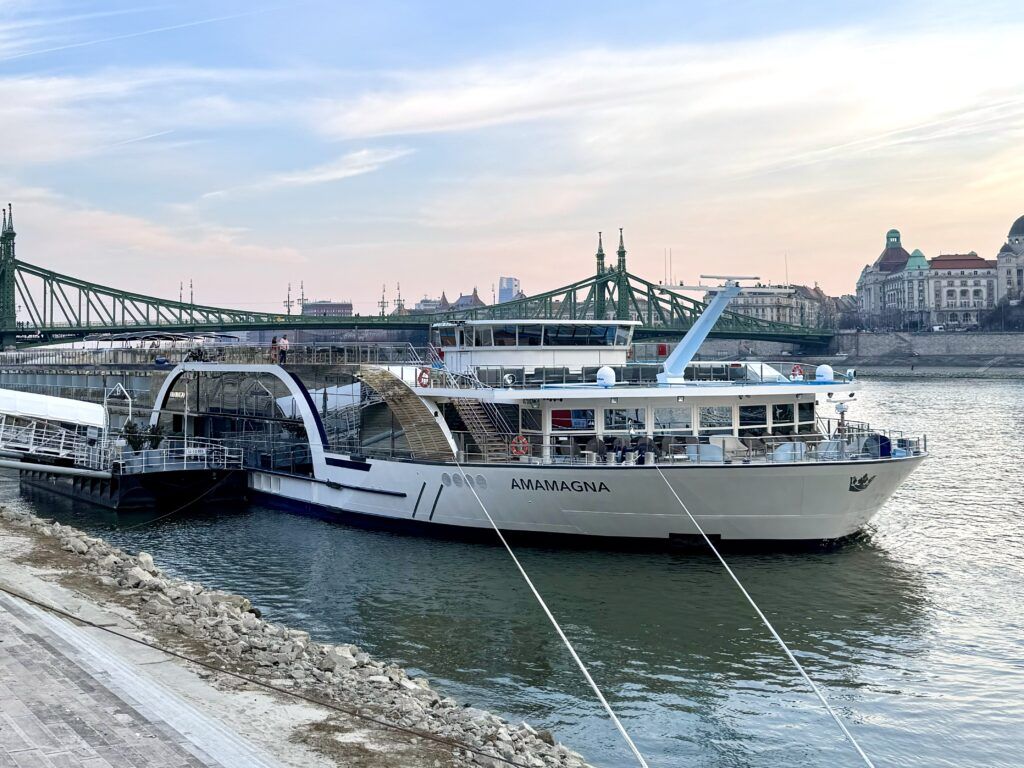
Port facilities along the rivers look a bit different from what you might be used to experiencing during ocean cruises. Many river stops don’t even have terminals. Instead, river ships simply tie up along the riverbank and provide a portable gangplank for passengers to step ashore. You won’t have a need to tender, either. If there’s no room for your river vessel to tie up, you’ll pull up alongside other river ships that are already in place and tie up to them instead. Further, there’s rarely an official security screening process.
You’re never far from land.
So many people tell us they’re hesitant to try a cruise because they don’t want to feel like they’re stuck at sea or be out of sight of land. Even the widest rivers will almost always be in sight of a riverbank, meaning you’re never far away from shore in the event of an emergency (which is why river ships don’t carry life boats like ocean ships do).
Medical staff can be limited onboard.
All oceangoing passenger cruise ships have medical facilities and at least one doctor or nurse onboard as part of the crew. That’s not true of river vessels. Since river ships are never far from shore and ports are so close together, the vessels almost always have shoreside medical assistance nearby if it’s needed.
River cruises aren’t great for young, solo, or limited-mobility travelers.
River ships have certain size restrictions and docking limitations that render them not particularly accessible for people with mobility aids like wheelchairs, walkers and canes. They also rarely house cabins for one, which means someone traveling alone could end up paying twice as much to stay in a room meant for two passengers. Families with young children will want to take note that river ships almost never have kid-specific activities onboard. Ocean cruises might be a safer bet for these types of travelers.
River vs. Ocean Cruise Brands
If you’re familiar with ocean cruising, you’ll know the main brands: Carnival Cruise Line, Celebrity Cruises, Disney Cruise Line, Holland America Line, MSC Cruises, Norwegian Cruise Line, Princess Cruises and Royal Caribbean. In order to compare, you should also have a basic awareness of which river cruise brands exist. This isn’t an exhaustive list, but here are some of the players you should know:
- Abercrombie & Kent
- AmaWaterways
- American Cruise Lines
- Avalon Waterways
- CroisiEurope
- Emerald Cruises
- National Geographic-Lindblad Expeditions
- Riverside Luxury Cruises
- Riviera River Cruises
- Scenic Luxury Cruises & Tours
- Tauck
- Uniworld River Cruises
- Viking River Cruises
Ocean Cruise vs. River Cruise Itineraries
The difference between these two cruise niches is just as it sounds. Ocean cruises sail on the oceans, and river cruises ply some of the world’s largest rivers.
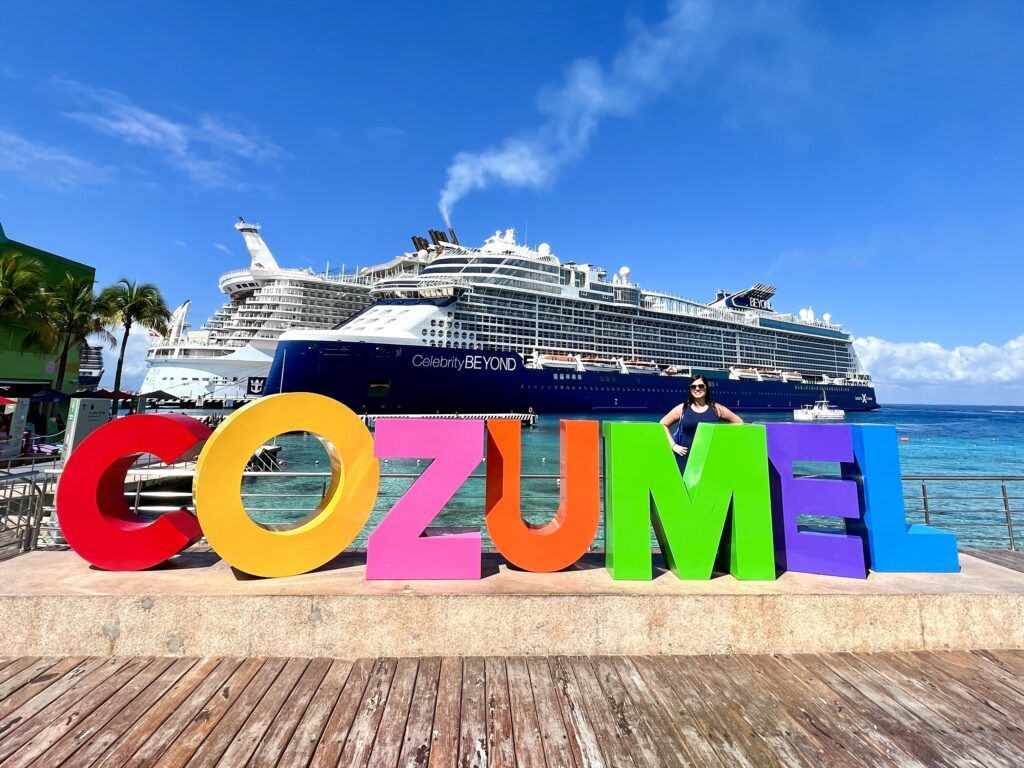
Ocean vessels visit all seven continents via coastal ports and entry points, calling on regions like the Caribbean, Bahamas, Mediterranean, Alaska, Mexico, Canada and New England and Greek Isles as some of the most popular.
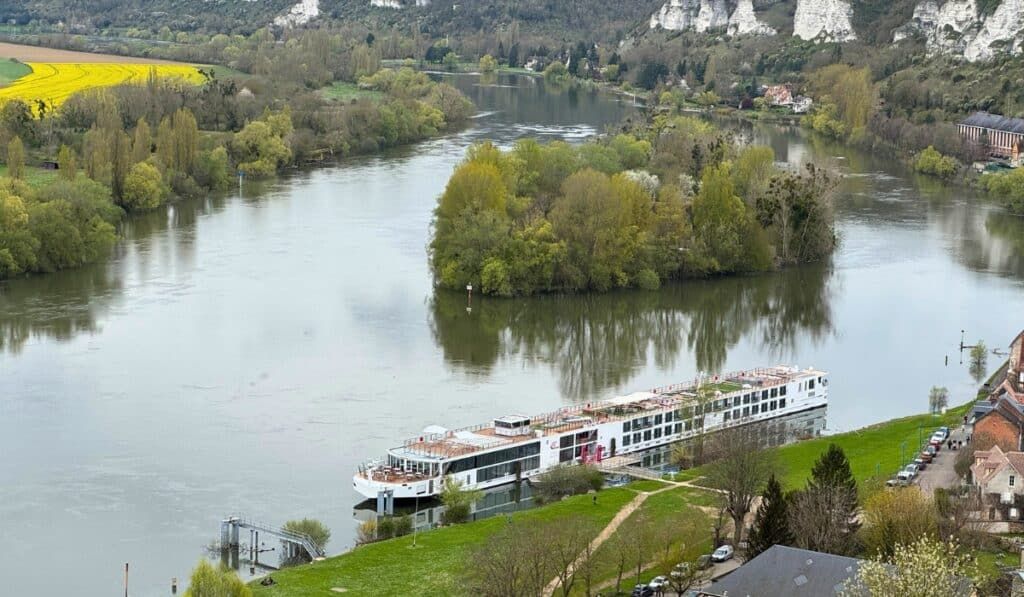
River ships stick to inland waterways, including destinations along the Rhine, Rhone, Danube, Amazon, Nile, Douro, Seine, Yangtze, Irrawaddy, Brahmaputra, Ganges, Mekong and others. United States-based river cruise lines focus largely on the Mississippi, Ohio, and Columbia and Snake Rivers.
As you might have seen in one of the aforementioned commercials, the Rhine is the most popular river cruise location. Ships sailing there offer scenic cruising through the Rhine Gorge, past stunning castles set high on the surrounding hillsides. If you’re a river newbie who wants a taster voyage you’re almost guaranteed to love, the Rhine is ideal.
River Cruise vs. Ocean Cruise Ships
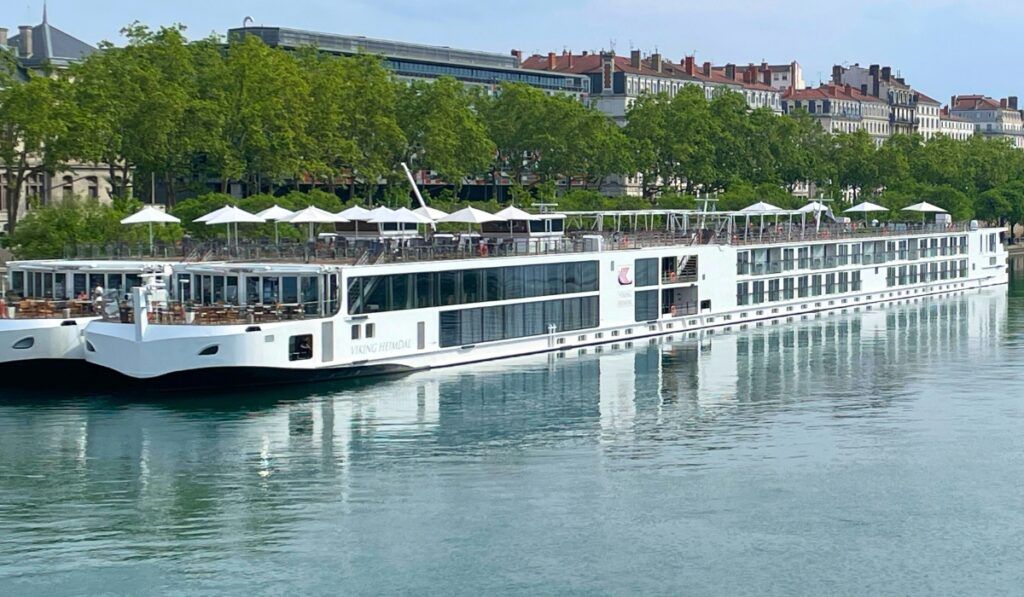
Size is the single biggest differentiator between ships in the ocean and river categories. Ocean cruise vessels can be any size, with the largest cruise ships able to carry nearly 7,000 guests. Conversely, the locks through which river ships must pass on many of the major rivers dictate their sizes. Because of those restrictions, river vessels are significantly smaller than most oceangoing ships, with the largest rising just four decks and carrying fewer than 200 passengers.
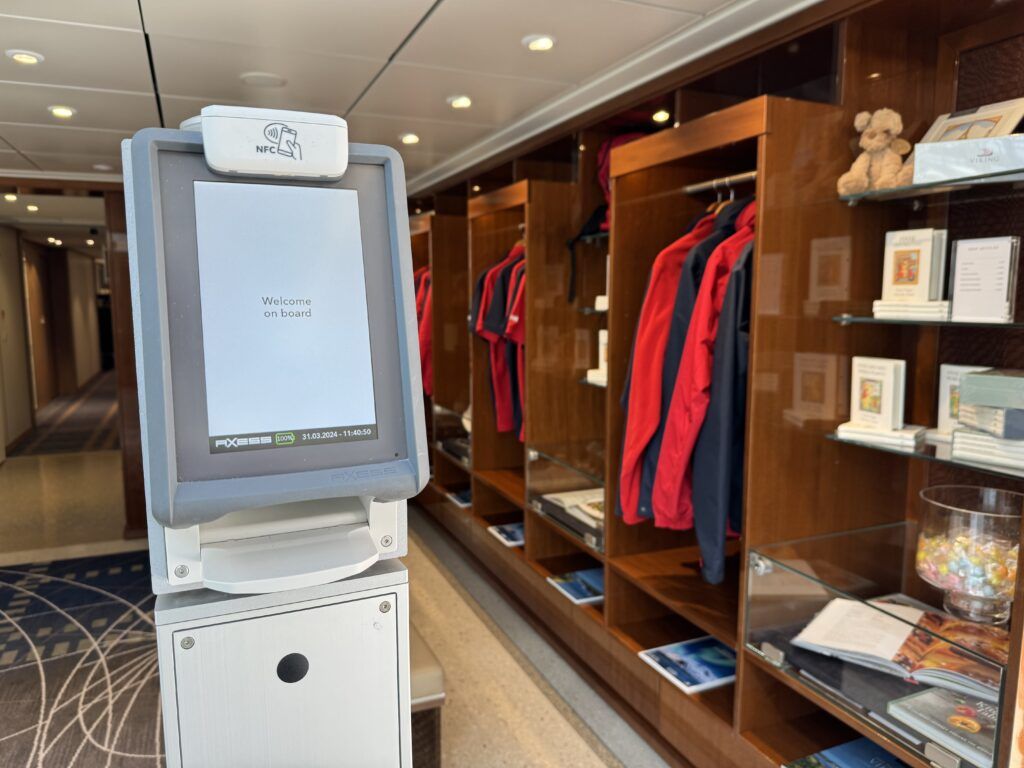
Due to the size differential, river vessels generally house fewer public spaces and offer fewer amenities than their ocean counterparts. In addition to cabins, expect a foyer with a guest services desk, a top-deck outdoor sun deck area (which might be closed when the ship passes under low bridges), a bar and lounge area that’s often quiet during the day but which might offer music or local cultural performances at night, and a restaurant area. Your ship might also have a small fitness room with a couple of machines and some free weights.
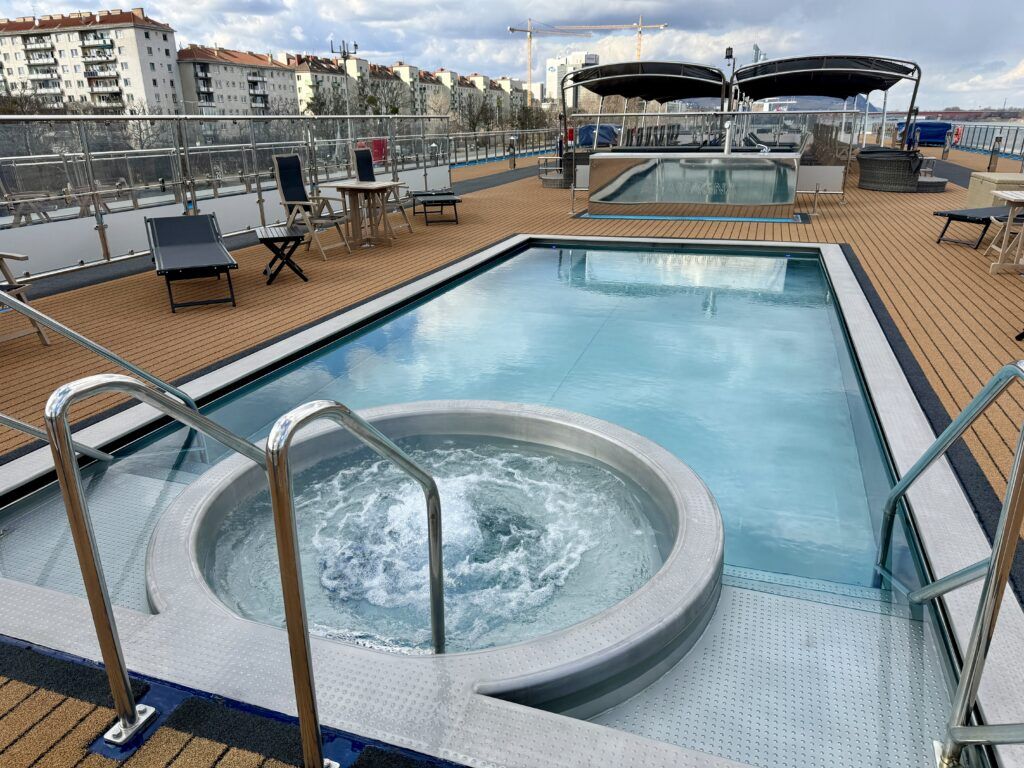
Pools are rare on river vessels. If your ship has one, it’s likely to be a plunge pool instead of a full-sized one. Your ship might also have a spa, but you should expect it to be one or two single treatment rooms instead of a large facility.
What you definitely won’t find on river cruises are large main theaters or casinos. With few exceptions, kids facilities and programming are nearly nonexistent. Onboard shopping will likely consist of a single small room or display with basic sundries, toiletries and cruise line gear.
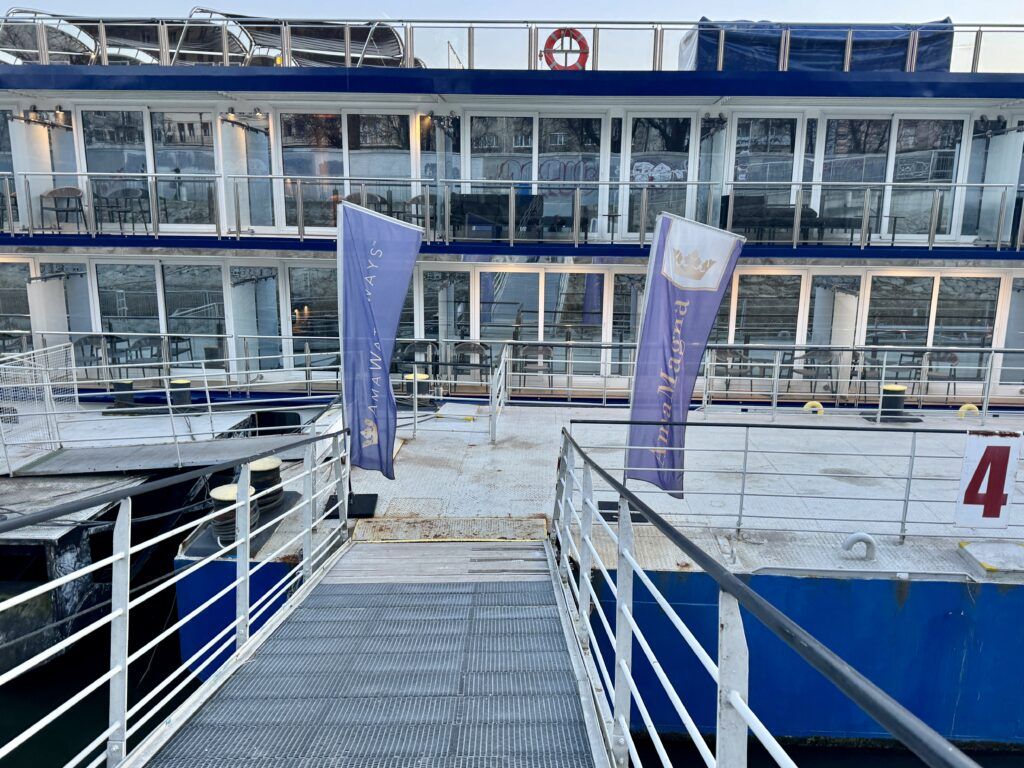
Accessibility can be an issue on river vessels for passengers with mobility concerns. Docking locations and berth availability require the use of steep metal stairs or ramps that are often not wheelchair-friendly.
On busy port days, it’s common for several ships to tie up alongside one another, rather than behind or in front of each other. That means you might have to walk through the foyers of several ships to reach your vessel. That can be problematic for passengers using mobility aids like scooters, wheelchairs, walkers, or canes.
Although some river cruise ships have elevators that run between decks, not all vessels do. Even the ones that have them might not provide access to the topmost sun deck, due to ship height constraints.
Prices for River Cruises vs. Ocean Cruises
Cruise pricing, whether it’s ocean or river, depends on many factors. They include how long the voyage is, where you’re sailing, the age and size of the vessel, and what’s included in the cost. Generally, you’ll pay more for a river cruise than you will for a mainstream cruise in a similar cabin category. Sometimes even an inside cabin on a river sailing will cost more than a balcony or a suite with a line like Carnival, Norwegian, or Royal Caribbean.
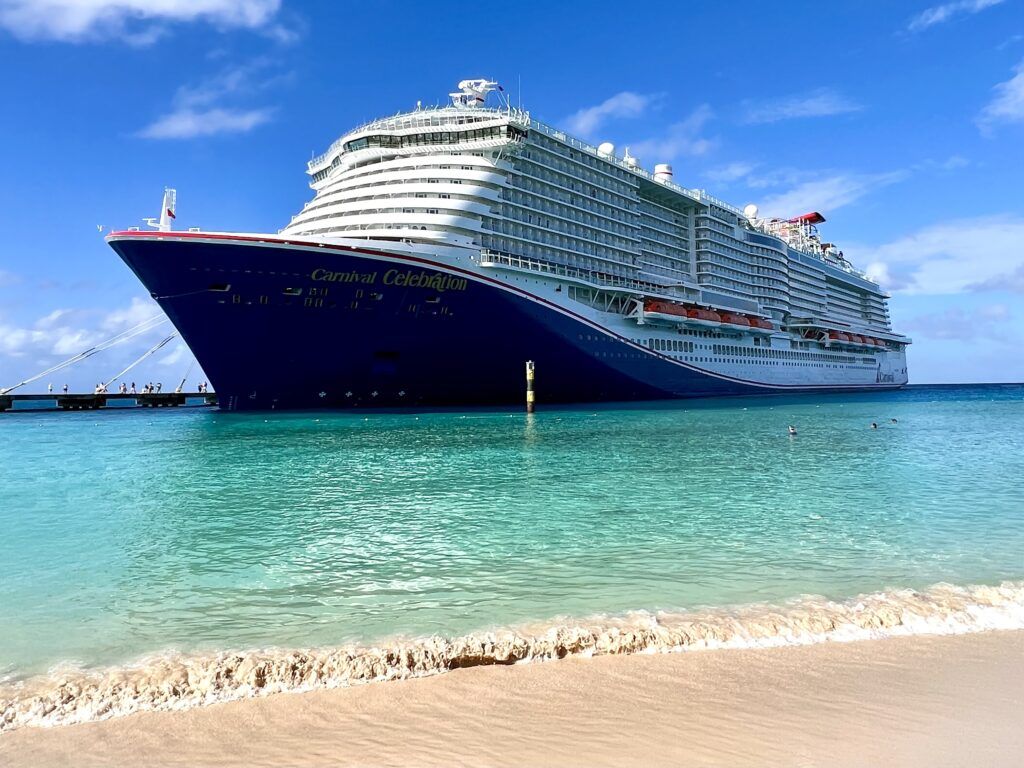
Passengers should expect to pay at least a couple thousand dollars per person for a standard weeklong Rhine Gorge river voyage. Prices only go up from there, especially if you have to add in the cost of flights to arrive at your embarkation port.
Ocean Cruise vs. River Cruise Inclusions
Although not all river cruise lines offer all-inclusive luxury experiences, you’ll find more included in the fares – and a more high-end ambiance – on a river cruise than you will on most oceangoing sailings.

Wi-Fi, soda and alcohol, gratuities and even shore excursions are typical items that could be included in river cruise fares. Some of the most inclusive river options also include flights in their pricing. On most mainstream (read: non-luxury) oceangoing ships, passengers would pay extra for all of these add-ons. So, even though river sailings are more expensive, cruisers can expect more value and a more high-end atmosphere.
As a side note, because most river cruise lines include wine and cocktails in their pricing, they don’t mind if you bring your own alcohol onboard with you. There are also far less stringent security checks – if any at all – during river embarkation. So, there won’t be anyone scanning your bags looking for smuggled booze.
Cabins on River Cruises vs. Ocean Cruises
Cabins on ocean ships come in a wide variety of sizes and categories. In addition to standard categories like windowless insides, outside rooms with windows, balcony accommodations and suites, they offer subcategories with spa amenities, solo cabins and even family-friendly suites that span two decks and include game rooms and slides.
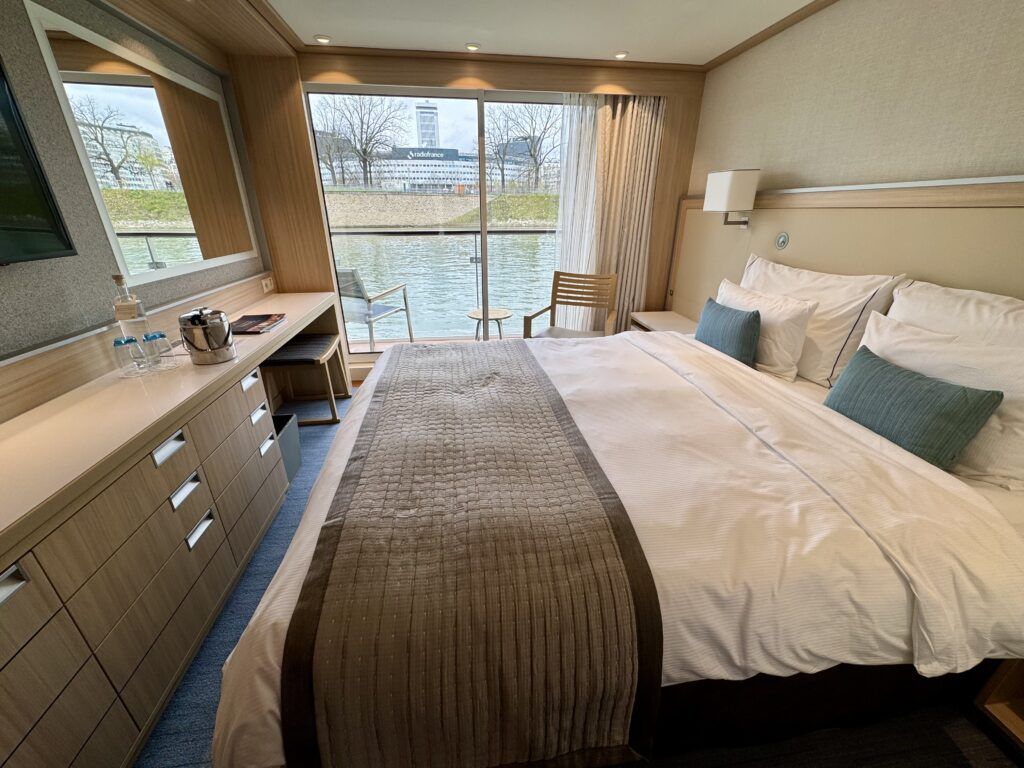
Cabins on river vessels often comprise a simpler mix of insides, outsides, balcony cabins, and suites. However, due to size requirements, you will sometimes find French balconies – sliding-glass doors that open to turn your room into an open-air space – rather than traditional verandas that allow you to step outside.
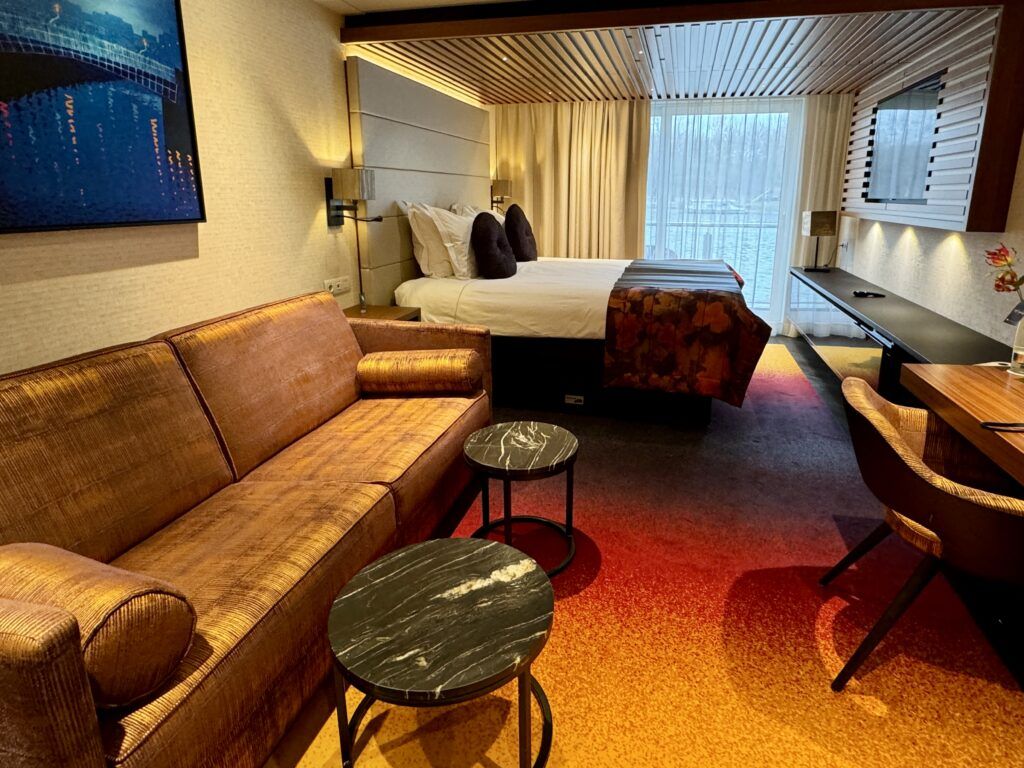
In terms of bathrooms, both ocean and river cruise cabins have ensuite showers, sinks and toilets. However, you’re likely to find more lavish furnishings and amenities in the river variety. Think marble fixtures, towel warmers, and L’Occitane bath products as examples.
River cruises are generally not as family-friendly as ocean ones. You’ll be hard-pressed to find connecting cabins or rooms that sleep more than two people. Families and groups traveling together should keep that in mind.
Accessible and solo cabins are scarce, too, particularly in Europe. If you plan to travel by yourself, look for lines that waive single supplements for lone cruisers.
River vs. Ocean Cruise Food and Drinks
River ships most often have only one complimentary restaurant with just one set dining time each night. If you don’t show up during that window, you won’t eat. Diners will order from a menu that’s likely to include local specialties and freshly sourced ingredients prepared by expert chefs. (Many river operators run excursions where passengers can accompany their ship’s chef to local markets to shop for ingredients while in port.)
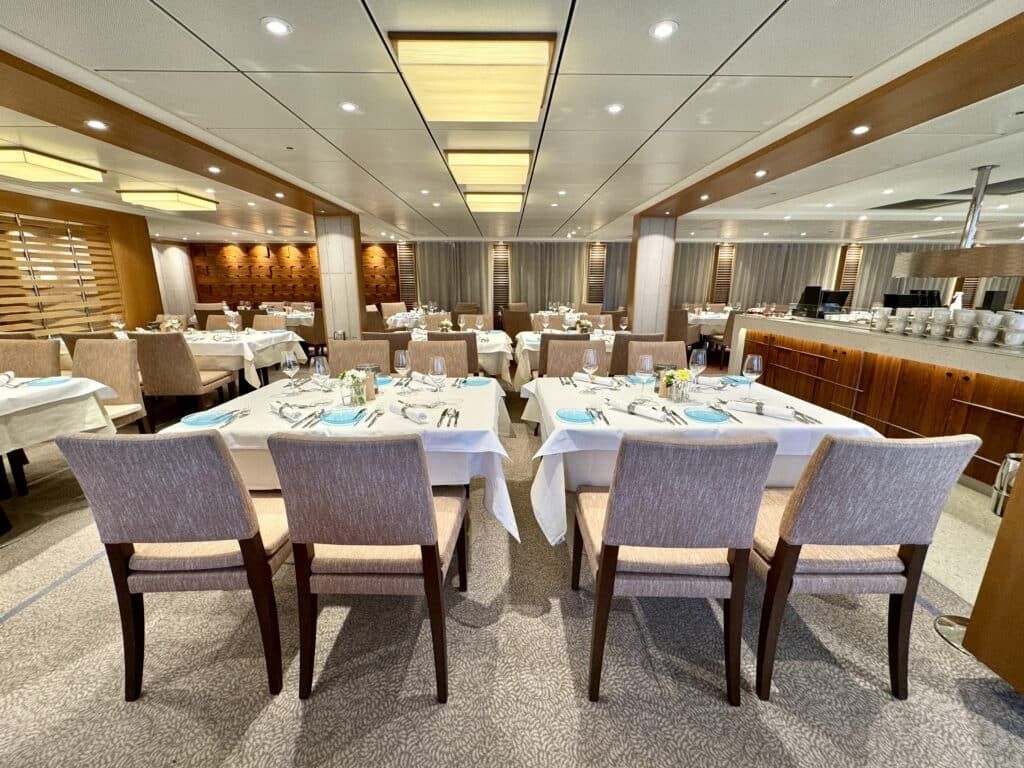
This stands in direct contrast to oceangoing ships, which often have several restaurants, both free and for an extra charge. The dining rooms on ocean vessels also offer more than one seating or allow passengers to arrive at the dining room any time they please between set hours. On the oceans, there are also ways to find food between meals if you’re feeling hungry. That often isn’t the case on river ships.
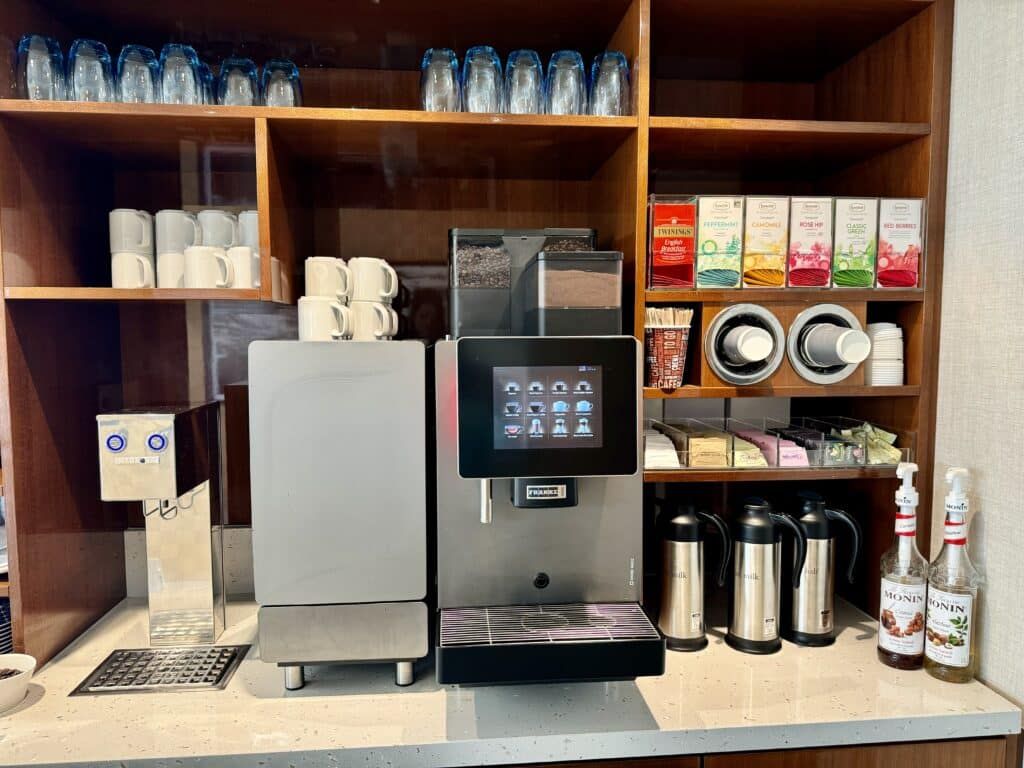
As for drinks, river ships provide standard beverages: water, tea, coffee, juice, soda and alcohol. Most river lines include them in their prices. Soda, juice and alcohol will cost extra when you sail with most mainstream (non-luxury) ocean brands. (The exception is if you purchased a beverage package or a more-inclusive fare option.) Ocean ships might also have a wider variety of offerings, such as smoothies and specialty coffees (versus make-it-yourself machines, which are the norm on most river ships).
Activities and Entertainment on an Ocean Cruise vs. River Cruise
There isn’t as much entertainment on river cruises as there is on ocean sailings. This is mainly due to the small size of the ships and the fact that ports – rather than the ships themselves – are the focus of river voyages.
Ocean vessels offer tons of daily diversions, from game shows, dance classes, trivia, towel-folding demonstrations and pool games to movie screenings, casino play, and full-scale theater productions.

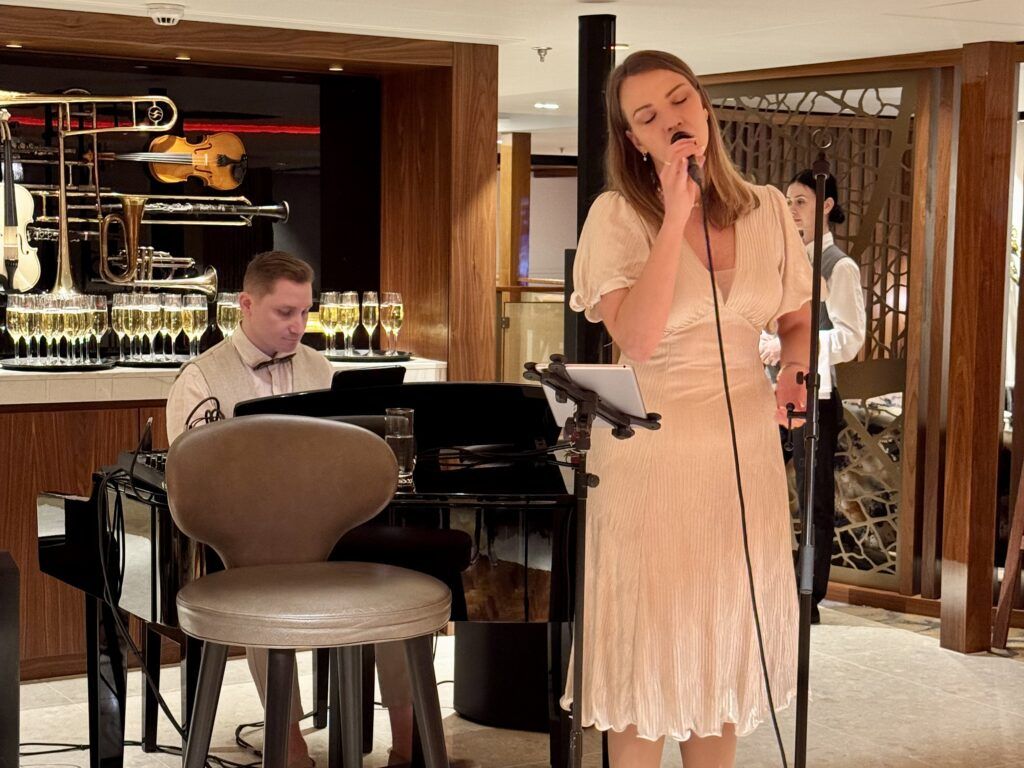
On river voyages, the lounge is usually the main hub of ship activity. It will be relatively quiet during the day, which makes it a great place to read or watch the sights if you’re not ashore. At night, you might find a port talk, live music (usually via a resident pianist or small band), or performances by locals brought onboard for one night only as the ship passes through their town.
Ultimately, the main draw for river cruises is the destination. These types of sailings center on land-based port immersion, rather than onboard bells and whistles.
Bottom Line
In a nutshell, river cruises take place on smaller vessels than ocean cruises do. Fares for river cruising are generally more expensive with fewer cabin categories and dining options offered. However, more is included in the price you pay, and what you receive is higher quality.
Onboard entertainment is limited on the rivers. But, what river ships lack in onboard amenities, they make up for with destination immersion and, sometimes, free shore excursions.
If you’re considering a river cruise, understand that you’ll have little downtime compared to that on most ocean sailings. Think twice about a river cruise if you use mobility aids or if you’re traveling alone or with young children.
Comments
Have you taken a river cruise? What are your likes and dislikes when comparing river vs. ocean cruises? Drop us an anchor below to share your cruise preferences.
The post River Cruises vs. Ocean Cruises: How These 2 Popular Voyage Types Compare appeared first on EatSleepCruise.com.

