If you want to weigh in, now is your chance.
The Trump administration is gearing up to tweak an Obama-era airfare regulation that dictates what price you see first when you go to buy a plane ticket.
The change that’s under consideration by the U.S. Department of Transportation would give airlines more leeway to decide how they display the cost of a flight — from the base fare to the taxes and required fees.
But the DOT also said it’s thinking about a bigger move: repealing a 15-year-old regulation that currently requires carriers to show the full ticket price upfront.
“It means that as a consumer, you may have to do more digging into the details,” warned Henry Harteveldt, a prominent industry analyst.
Let’s dig in ourselves: What’s likely changing, what could change, and what this will all mean for air travel in the future.
The price you pay: Fare + Taxes + Required fees
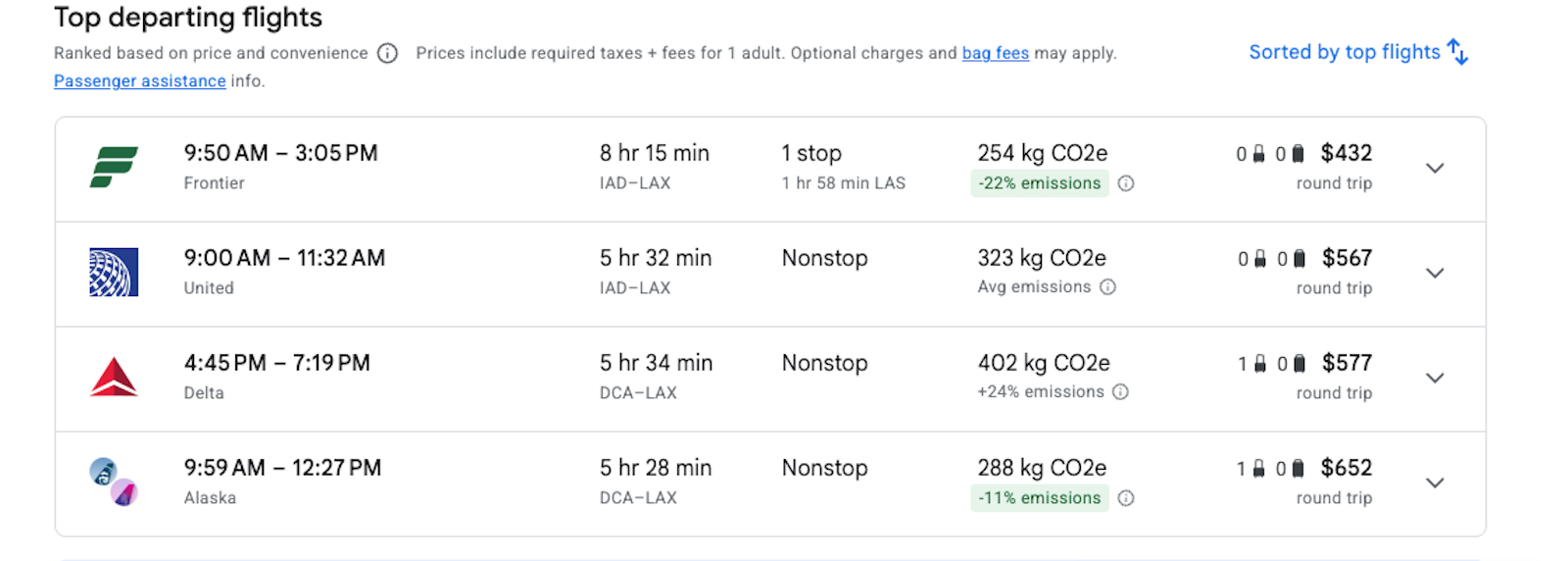
Today, when you search for a flight, the first price that pops up includes everything except for the “optional” add-ons like checked bag fees.
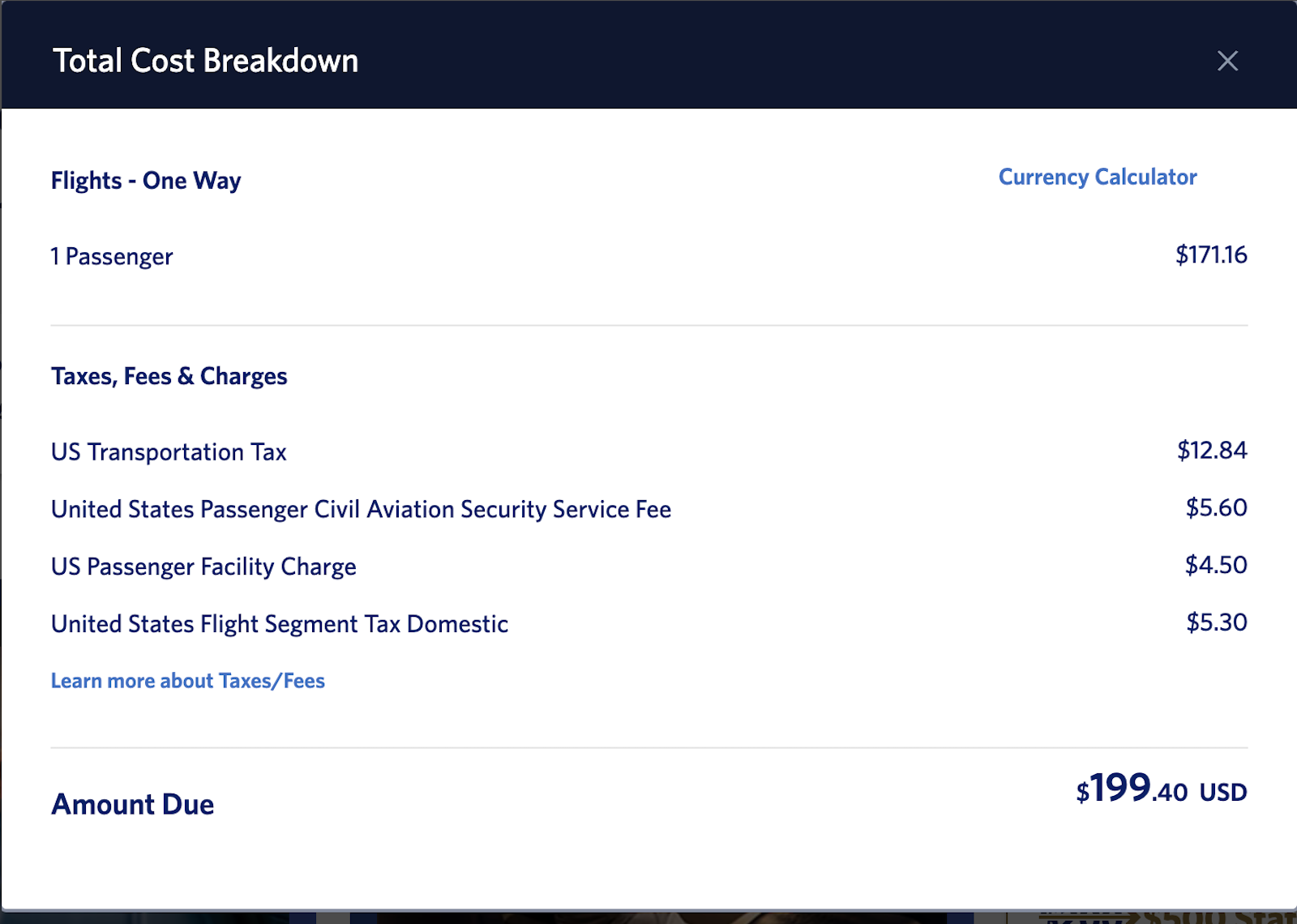
A $200 Delta Air Lines flight from Washington to Atlanta? That price tag includes every charge you have to pay to book the ticket: the fare, the taxes and any mandatory fees.
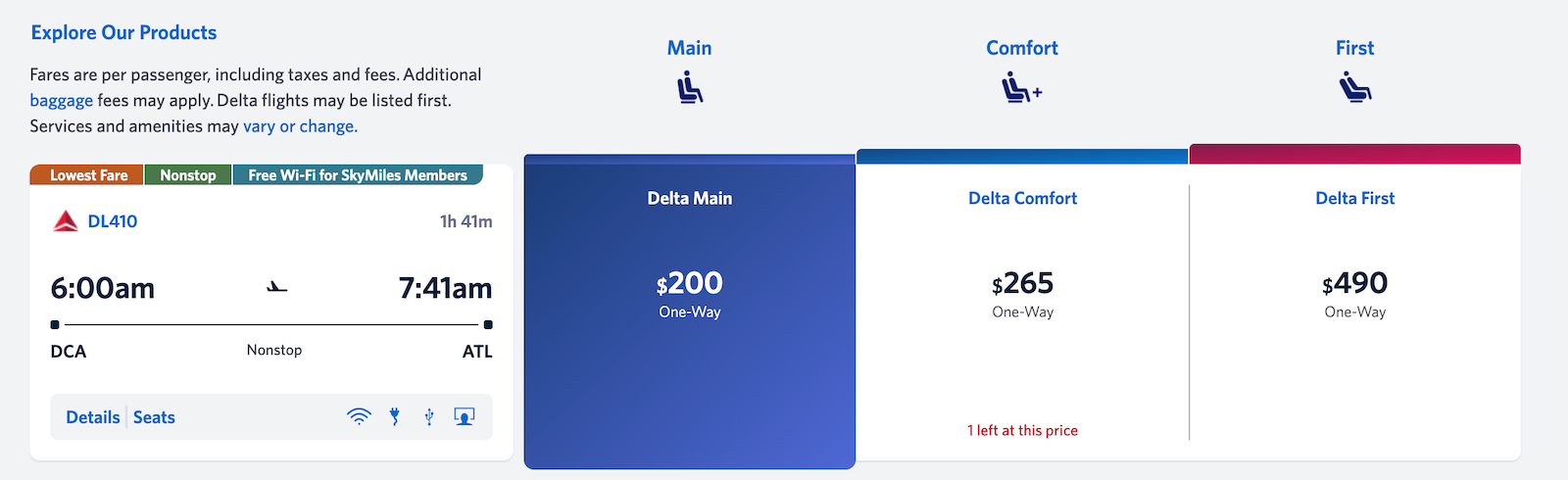
That’s because in the early 2010s, the Obama administration started requiring airlines to display the total ticket price upfront — more prominently and in bigger font size than any smaller components of the fare.

Reward your inbox with the TPG Daily newsletter
Join over 700,000 readers for breaking news, in-depth guides and exclusive deals from TPG’s experts
Consumer advocates argued this policy made it easier for travelers to compare prices and know, upfront, what a flight would cost.
DOT closing in on rule change
Now, the Trump administration is preparing to finalize a rule that would give airlines a little more wiggle room.
Carriers would be allowed to start drawing attention to the lower base fare — as long as they displayed the total cost of the flight just as clearly.
Here’s an example of how the changes could play out:
| What you currently see first when searching flights | How prices could be displayed in the future |
|---|---|
|
Fare: $75
Taxes and fees: $30 Total: $105 |
Why the change? The Trump administration argued the current policy is too strict, by telling airlines what font size they can use to advertise a fare versus a tax or fee. This move, the DOT said, would “provide greater flexibility” to companies — while still getting vital pricing information to consumers.
But this also might not be the only change that’s coming.
DOT ‘considering’ a more sweeping change
In its notice announcing this potential rule change, the DOT revealed it’s considering more sweeping action, too: a possible repeal of its all-in pricing rule that governs the airline sector.
A handful of airlines have pushed for this change for years, arguing the federal government shouldn’t dictate how they display ticket prices.
Carriers have long argued that in other industries, consumers see a sticker price — and then ultimately pay a higher total price once taxes are added in at the end.
The DOT also contends its current rule may overlap with other existing federal requirements.
Consumer advocates: Pricing flights could get more difficult
But consumers could be left confused if the government significantly relaxes airfare regulations, warned industry commentator Jason Rabinowitz.
The change would “break flight shopping,” Rabinowitz, who co-hosts Flightradar24’s AvTalk podcast, wrote in a public comment. It would make it “virtually impossible to comparison shop,” he added, since carriers could have more freedom to decide what fare to advertise upfront for a flight.
Southwest weighs in
At least one major airline agrees.
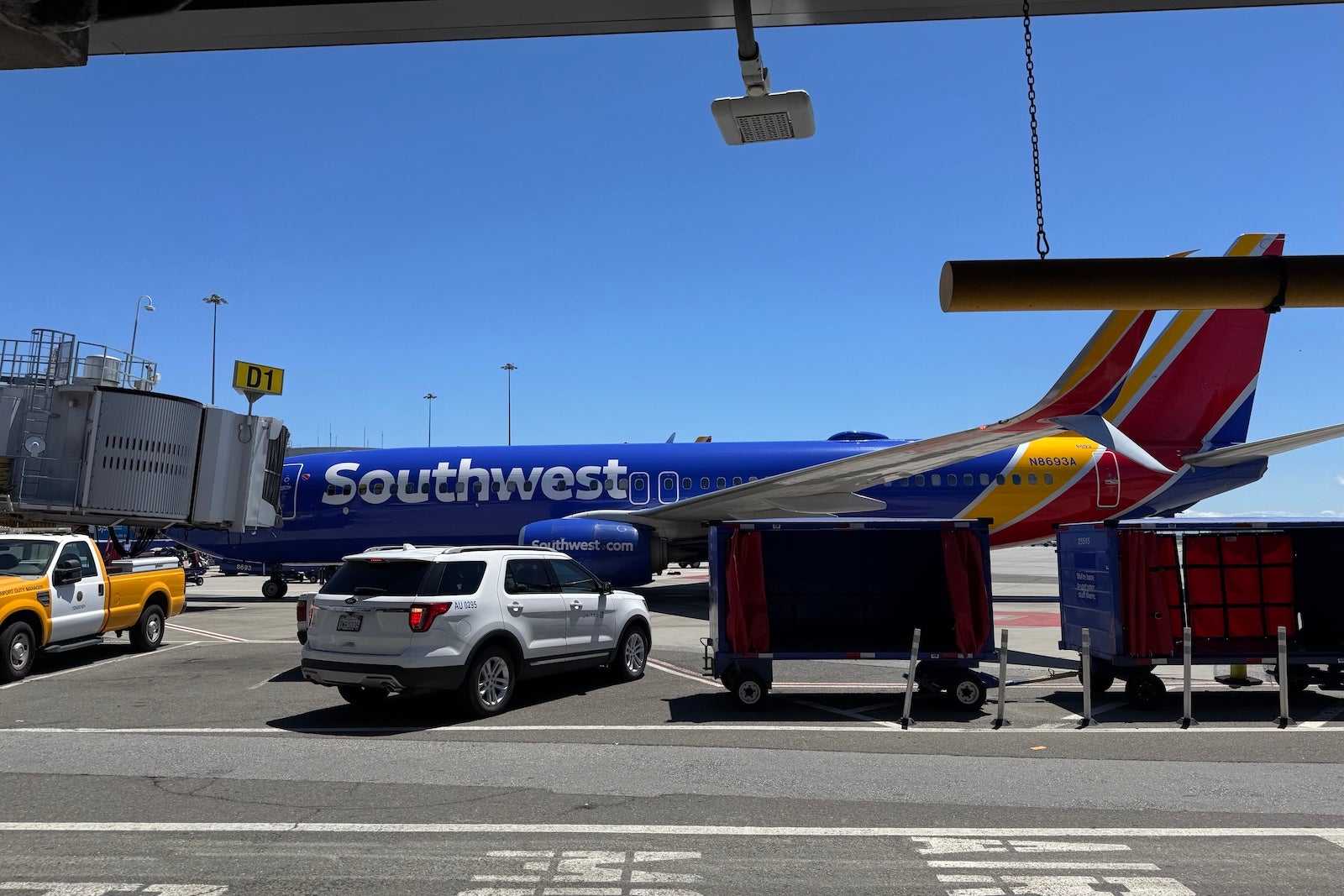
Southwest Airlines said it initially opposed all-in pricing rules when they went into effect 15 years ago. But changing things now could prove “extremely disruptive,” the airline wrote.
“An entire generation of consumers have shopped and purchased air travel under this system,” Southwest said. “Consumers have settled expectations that all government-imposed taxes and fees will be included in the fare in the first display.”
Bottom line
For now, the likeliest outcome seems to be this narrower change DOT has already proposed — what the agency called a “minor, but certainly meaningful” shift in how airlines can display ticket prices.
Whatever happens in Washington, though, airlines should be cautious, said Harteveldt, president of Atmosphere Research Group: changing a booking experience travelers are used to could lead to backlash.
“If an airline is believed by the traveling public to be misleading — to be less than forthcoming, to be even sly — in how they present their prices,” he said, “I don’t think it will serve that airline well.”
If you want to make your voice heard, you’ll have to act quickly: The DOT was set to accept public comments on these potential rule changes through July 31.
Related reading:

