Headlines are quick to share with the world that there’s another norovirus outbreak on a cruise ship. But how common is norovirus on cruises, really? Should it be a major concern for cruisers prior to setting sail and once on board? We’re going over what norovirus is, how it spreads, and how it’s not as common on cruises as the news might lead you to believe. Below, there’s also tips on how to prevent getting norovirus on a cruise so that you can rest assured that you’re prepared before your next sailing.
Table of Contents
What is norovirus?
Norovirus can seem like a scary term that implies an illness worse than the typical stomach bug you might be used to at home. But actually, it’s the same thing. According to the Centers for Disease Control and Prevention (CDC), “norovirus is a very contagious virus that causes vomiting and diarrhea. It is sometimes called the ‘stomach flu’ or the ‘stomach bug.’ However, norovirus illness is not related to the flu. The flu is caused by the influenza virus. Norovirus causes acute gastroenteritis, an inflammation of the stomach or intestines.”
The most common symptoms include nausea, stomach pain, vomiting, and diarrhea. Other symptoms can include a fever, headache, and body aches. Because of these symptoms, it’s easy to become dehydrated when you have norovirus, which can result in symptoms like a dry mouth and throat, decreased urination, unusual sleepiness, and feeling dizzy upon standing.
How does norovirus spread?
Unfortunately, norovirus spreads very quickly and easily in multiple ways. You can catch norovirus by having direct contact with someone who already has it, such as caring for them, sharing food or utensils, or eating food that was prepared by them. Food and liquids can also be contaminated with it. You can also get norovirus by touching contaminated objects or surfaces and then, for example, eating with your hands without washing them first.
On cruise ships, norovirus most often spreads through direct contact with those who are sick or contaminated surfaces and objects. If an outbreak occurs at sea, a passenger most likely was already sick when they boarded and winds up inadvertently passing it around to others throughout the voyage. This is quite easy to do without even realizing it, because those who have had norovirus can still spread it around for two weeks or more after they feel better.

Norovirus on cruises is not as common as you may think
Despite what you may think based on news reporting and social media, norovirus on cruise ships is actually quite rare. In fact, according to the CDC, the most common settings for gastrointestinal illness are healthcare facilities, restaurants/catered events, schools, and daycares.
Occurrences on cruise ships are a 1 in 5,500 chance, while there’s about a 1 in 15 chance on land. Spread in cruise ship settings only accounts for about one percent of all cases, but news spreads further because the CDC requires it to be reported. According to the Cruise Lines International Association (CLIA), cruise ships are the only travel sector that routinely report illnesses to the CDC, and “there is simply more visibility and reporting to health authorities from cruise, which should not be confused to mean a higher incidence rate on a cruise ship compared to other places.”

What happens if there is a norovirus outbreak on a cruise?
If an outbreak is identified on a cruise ship, the already hard working crew members who clean the ship go into overdrive — cleaning even more and often with stronger cleaning solutions. If the buffet is usually self-service, stations will probably become manned by crew members, who will put food on your plate for you to prevent lots of people from touching the same serveware. As well, passengers who are sick may be quarantined to their cabins to prevent them from further spreading the illness.
If at least two percent of passengers on a cruise ship report symptoms of norovirus, the outbreak must be reported to the CDC (if the ship is scheduled to be in a U.S. port within 15 days). If at least three percent of passengers report symptoms and are under the CDC’s Vessel Sanitation Program jurisdiction (basically any ship that visits the U.S.), the CDC must be notified even if they aren’t scheduled to visit the U.S. within 15 days. Then, the CDC will do an investigation to determine the cause of the outbreak.
In the rare occurrence that an outbreak can’t be contained, ships might be pulled out of service for a few days for more thorough sanitation before new passengers arrive for the next cruise.
How to prevent getting norovirus on a cruise
While there’s no foolproof way to FULLY avoid norovirus on a cruise (or even in daily life), there are some easy steps you can take to dramatically reduce your chances of catching it.
The most important step is to wash your hands with soap and warm water for at least 20 seconds. You should do this after touching common surfaces, using serving utensils at the buffet, using the restroom, changing diapers, shaking hands, and whenever your hands are dirty. Of course, you should also wash before eating anything — whether or not you’ll be using silverware — and it’s a good idea to wash your hands whenever you return to your cabin, too.
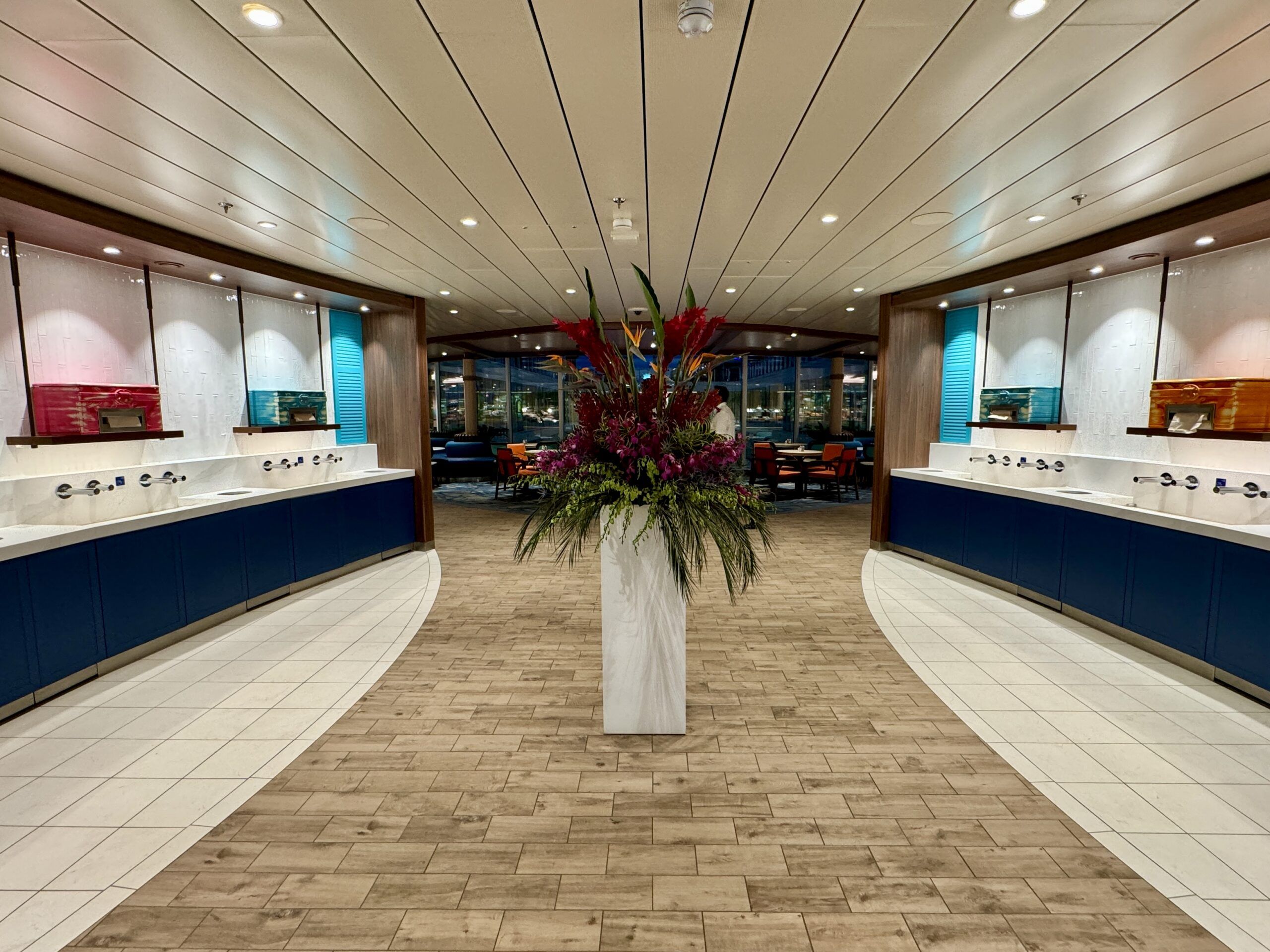
Another action we like to take, whether or not we’re very concerned about norovirus, is to wipe down surfaces in our cabin on embarkation day. Upon boarding and getting into your cabin, use disinfectant wipes to clean the bathroom counter, faucet, desk surface, phone, TV remote, nightstand surfaces, light switches, and door handles. It’s also a good idea to wipe down your phone at the end of each day, too.
As well, bring hand sanitizer with you when you head into port. That way, you’ll always have a way to disinfect your hands on the go, even when a restroom isn’t readily accessible.
Does travel insurance cover norovirus?
Not all travel insurance is created equal, so you should read the fine print on any travel insurance contract you have or are considering purchasing before your cruise. With that being said, most travel insurance policies will cover you if you get sick prior to sailing and can’t take the trip, or if you are on board when you become ill. This can include compensation if you miss part of the cruise and have to debark early, or if you incur any medical expenses while in board/in port.
However, if you’re just worried about getting sick prior to the cruise and don’t want to sail but are not ALREADY sick, traditional travel insurance won’t cover that. If you DO want to be covered for that kind of situation, you should make sure you have “cancel for any reason” (CFAR) coverage as part of your policy.
Comments
Does the fear of getting norovirus on a cruise impact your travel decisions? Have you ever gotten sick on a cruise? Drop us an anchor below to share your experiences.
The post Norovirus on a Cruise: What the Headlines Don’t Tell You appeared first on EatSleepCruise.com.

