The Bahamas is one of the most popular cruise destinations in the world — and for good reason. With 700 islands, crystal-clear turquoise water, and some great beaches just a short sail from Florida, it’s an easy choice for first-time cruisers and seasoned veterans alike.
From understanding the difference between Nassau and a private island day, to knowing when to book and what to skip, the more prepared you are before your cruise, the more you’ll get out of every port day. These expert Bahamas cruise tips will help you book smarter, plan better, and enjoy every moment from embarkation day to the final morning at sea.
Tip #1: Book Early
Booking your Bahamas cruise as far in advance as possible has several advantages. The most obvious is price — in our experience, fares rarely get cheaper over time. Booking early also gives you the best selection of cabins, as popular categories like midship balconies fill up quickly especially on newer ships. We recommend booking at least six months in advance. If the price drops before your final payment date, many cruise lines will honor a price adjustment — just be sure to read the fine print for your specific fare type.
Tip #2: Use a Travel Advisor
No matter how many cruises you have taken, booking your Bahamas cruise with a travel advisor is almost always worth it. A good travel advisor — our trusted partner is MEI-Travel — can not only help you navigate the decision-making process but may also provide perks that have real monetary value. Think discounted group rates or exclusive benefits like onboard credit, prepaid gratuities, and specialty dining.
These benefits come at no additional cost to you, since travel advisors are compensated by the cruise lines. You are essentially getting expert guidance and bonus value for free. For first-time cruisers especially, having someone in your corner who knows the ins and outs of each cruise line is invaluable.
Tip #3: Cruise in January or September for the Best Value
If price is a priority and you have flexible vacation time, January and September are two of the best months for a Bahamas cruise. In January, the holiday rush is over and kids are back in school, which means lower demand and lower prices. September sits in the heart of hurricane season but also after the summer family travel rush — the combination of lower demand and weather risk creates some of the best deals of the year.
We have taken advantage of both and found the experience to be excellent. Ships are less crowded, ports are quieter, and the savings are real.
Tip #4: Cruise December Through April for the Best Weather
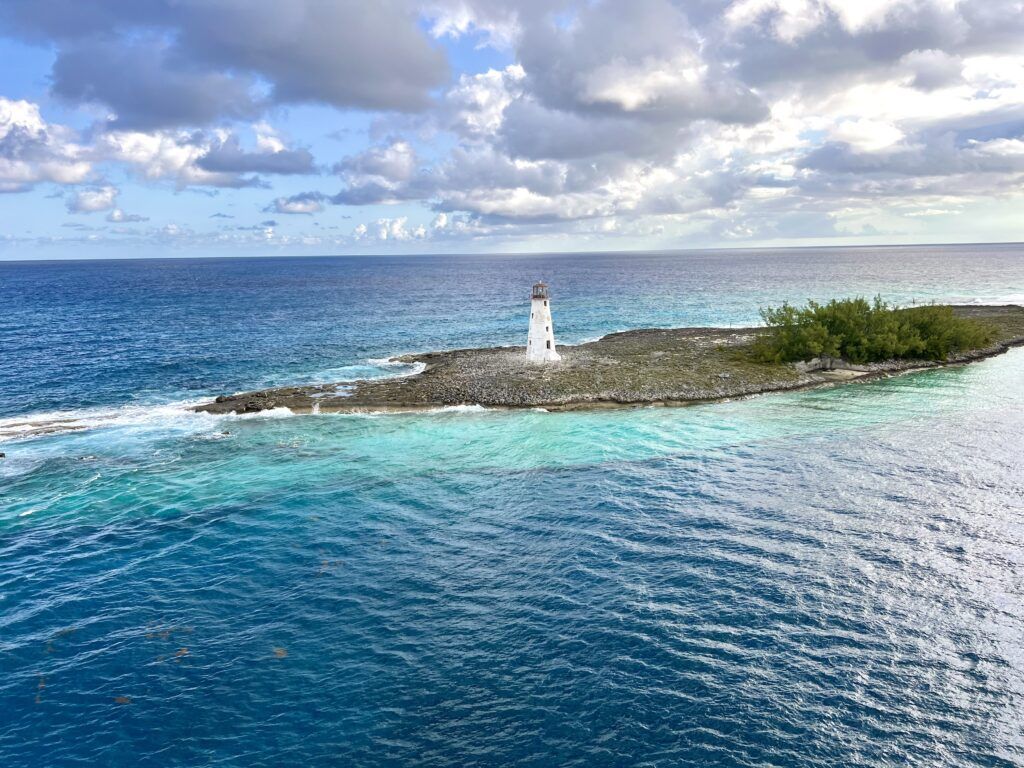
If weather is your top priority, the winter and early spring months of December through April are generally considered the best time to cruise the Bahamas. This period falls within the dry season, meaning less rainfall and more consistent sunshine. Temperatures remain warm and pleasant — typically in the mid-70s to low 80s°F — without the humidity spikes that come with summer.
This is also the time of year when many people are most motivated to escape the cold at home. Expect higher fares and more crowded ships during portions of this window, particularly over the Christmas and New Year’s holidays and spring break.
Tip #5: Hurricane Season Is Not Always a Dealbreaker
The Atlantic hurricane season runs from June through November, with the peak occurring from late August through October. Many cruisers avoid booking a Bahamas cruise during this window entirely, but that means leaving some of the best deals of the year on the table.
Modern hurricane tracking technology has become remarkably accurate, and cruise ships are highly mobile. When a storm threatens, ships simply reroute to find clear weather — sometimes swapping ports or adjusting itineraries, but rarely canceling a sailing entirely. The tradeoff is that you need to be flexible about where you end up. If you are attached to a specific itinerary, hurricane season may not be for you. If you are happy to sail wherever the ship takes you and save a significant amount of money in the process, it can be a smart choice. Just make sure you have travel insurance.
Tip #6: Avoid School Breaks If Crowds Concern You
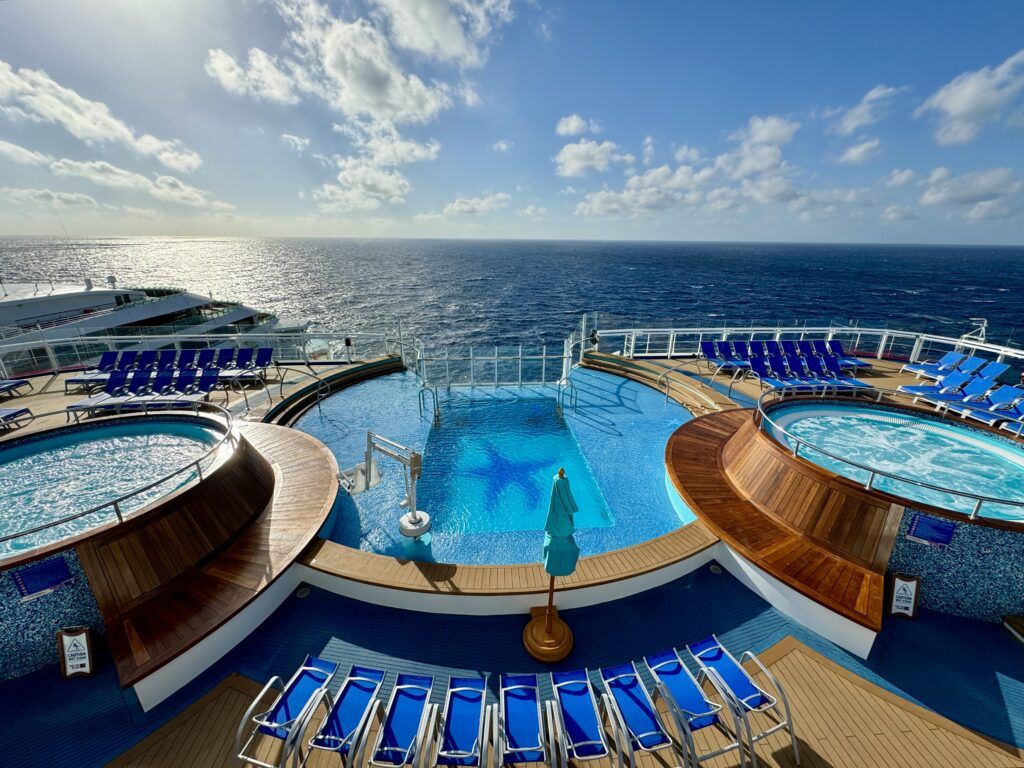
Summer, spring break, and holiday periods bring more families and children onboard. And with them, comes longer lines, fuller pool decks, and higher fares. If you are a couple looking for a more relaxed experience, these are the times to avoid. Spring break in particular can also bring college students into the mix — especially on short Bahamas sailings — which changes the onboard atmosphere noticeably.
If a quieter experience matters to you but you are limited to these windows, look for cruise lines and ships that skew toward a more adult demographic.
Tip #7: Know the Difference Between Authentic Ports and Private Islands
Not all Bahamas cruise port days are the same, and knowing what each stop actually offers is key to picking the right itinerary for your travel party.
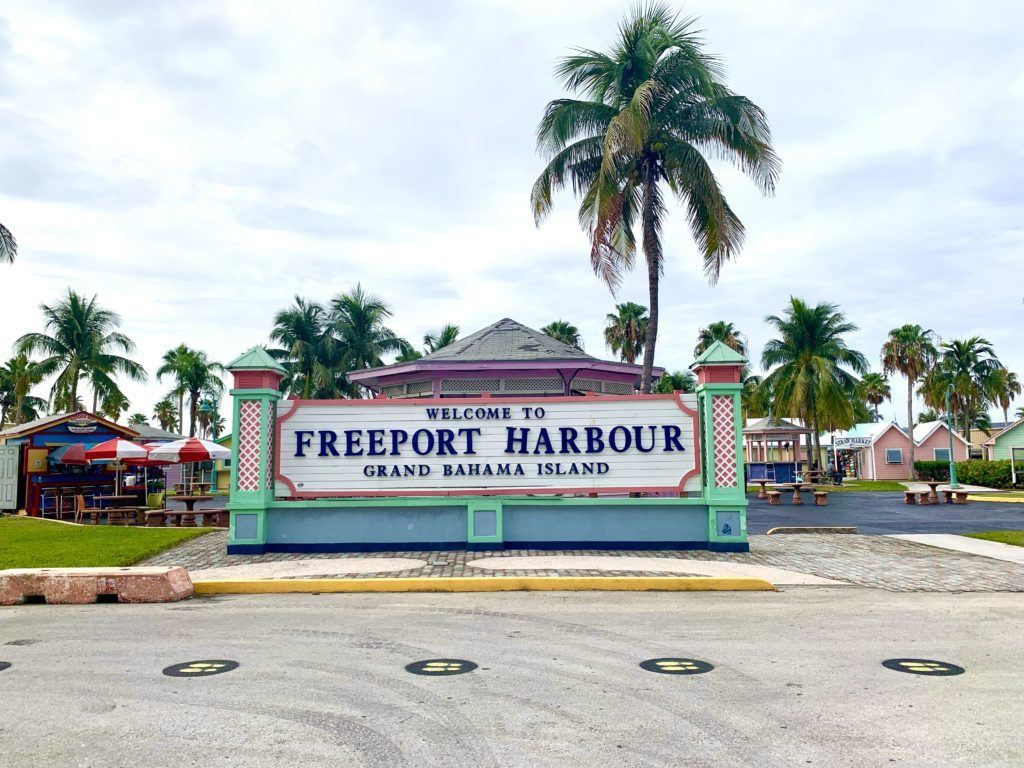
Nassau is the capital of the Bahamas and by far the most visited port in the country. It offers the widest variety of things to do — history, local food, beaches, water activities, and resort day pass options. But it also gets the most cruise traffic, which means crowds. Freeport, on Grand Bahama Island, is quieter and less commercial than Nassau. It has beautiful beaches, excellent snorkeling and diving, the Lucayan National Park, and the Grand Bahama Nature Center for wildlife viewing. Bimini is a smaller, less frequently visited island that appears on select itineraries. It has a laid-back, uncrowded character and some remarkable snorkeling and diving, including the famous Bimini Road.
Private islands are a different experience entirely, with several cruise lines operating their own dedicated Bahamian destinations. These days deliver beautiful beaches and easy logistics but do not offer the authentic Bahamian experience that some guests seek.
Tip #8: Choose the Right Cruise Line and Ship for Your Travel Party
Virtually every major cruise line sails the Bahamas, and the difference between a great Bahamas cruise and a disappointing one often comes down to picking the right brand and ship for your travel party — not just the cheapest fare.
Contemporary lines like Royal Caribbean, Carnival, Norwegian, and MSC offer the most variety and tend to be the most budget-friendly. Celebrity, Princess, and the adults-only Virgin Voyages offer a more premium experience at a step up in price. And Disney Cruise Line‘s Bahamas sailings are hard to beat for families with younger children. There is no single best cruise line for the Bahamas; it depends entirely on who you are traveling with and what you want out of the trip.
Even within a cruise line, ships can differ quite a bit. Families should look for ships with multiple pools, waterslides, and plenty of top-deck attractions. Couples may prioritize an adult-only retreat and a well-equipped spa. Know what your group wants before you book.
Tip #9: Know Your Embarkation Port Options
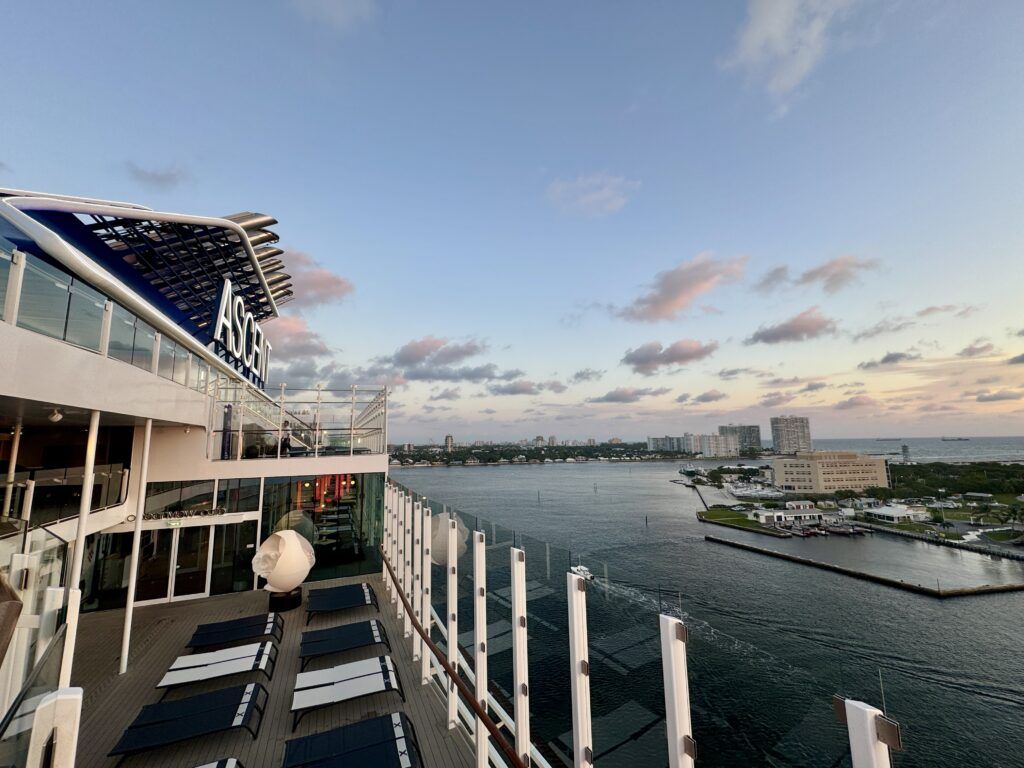
The vast majority of Bahamas cruises depart from Florida. Miami, Fort Lauderdale, and Port Canaveral are the three most popular homeports and offer the widest selection of ships and itineraries. Tampa is another solid Florida option, particularly for travelers coming from the Gulf Coast.
Port Canaveral is worth highlighting specifically for families combining a Bahamas cruise with a Walt Disney World visit. For East Coast travelers, some cruise lines offer Bahamas sailings from New York or Cape Liberty, New Jersey, which can eliminate the cost and hassle of flying if you are within driving distance.
Tip #10: Consider a Shorter Cruise to Try It Out — But Know the Tradeoffs
One of the things that makes the Bahamas unique as a cruise destination is how well it works as a shorter sailing. Three- and four-night itineraries are among the most affordable cruise options, making them an ideal entry point for first-time cruisers, a great way to introduce kids to life at sea, or simply a way to squeeze a quick tropical getaway into a long weekend.
The tradeoffs are worth understanding before you book, though. A 3-night sailing typically means only two port stops — usually Nassau and a private island. You also have less time to settle into the rhythm of the cruise before it’s over — just as you’ve found your favorite bar, figured out the dining room, and started to truly relax, you’re packing your bags.
Our take: if budget or vacation time is the primary concern, a short Bahamas cruise is a fantastic getaway. If you want to get the most out of the experience, a 7-night itinerary is the way to go.
Tip #11: Budget for the Real Cost of a Bahamas Cruise
The Bahamas is one of the most affordable cruise destinations available — a 3-night sailing on a mainstream line can start as low as $300-$450 for an interior cabin, making it one of the most budget-friendly options in cruising. Seven-night itineraries with more stops cost more, typically starting at $700-$1,500+ depending on the cruise line, ship, and time of year.
But the advertised fare is just the starting point. The base fare covers your cabin, main dining room meals, buffet access, most entertainment, and basic non-alcoholic beverages — but not alcoholic drinks, specialty dining, shore excursions, WiFi, spa services, or gratuities. When budgeting, you need to account for all of it: gratuities run $16-$22+ per person per day on most major lines, and extras like drinks, excursions, and specialty dining add up quickly on top of that.
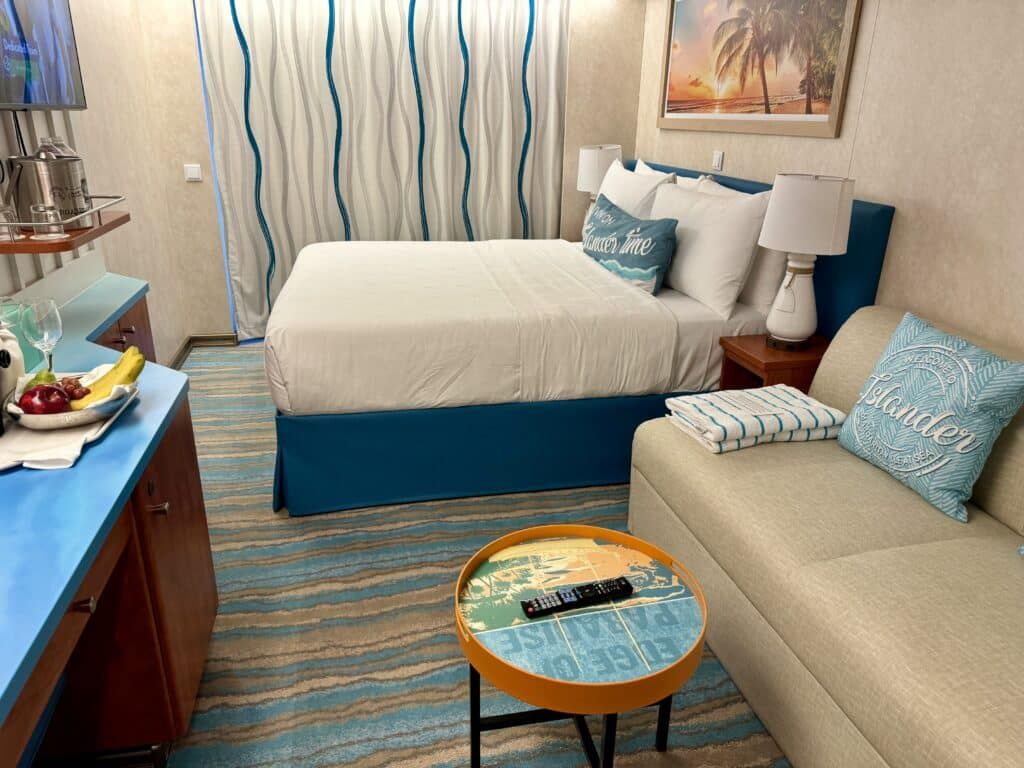
Tip #12: Monitor the Cruise Planner for Pre-Cruise Sales
Once you have booked your cruise, set up an account on the cruise line’s website and check the cruise planner regularly. Most major lines run periodic sales on pre-cruise add-ons — drink packages, shore excursions, specialty dining, WiFi packages, and more — at anywhere from 20 to 40 percent off what you would pay onboard.
These sales tend to pop up around major holidays and promotional periods like Black Friday or Wave Season and do not always last long. If you see something you were planning to purchase go on sale, grab it. If you already bought it at full price, cancel and rebook at the lower rate. Most cruise lines allow cancellations on pre-purchased items up to 48-72 hours prior to sailing.
Tip #13: Decide Whether a Drink Package Is Worth It for You
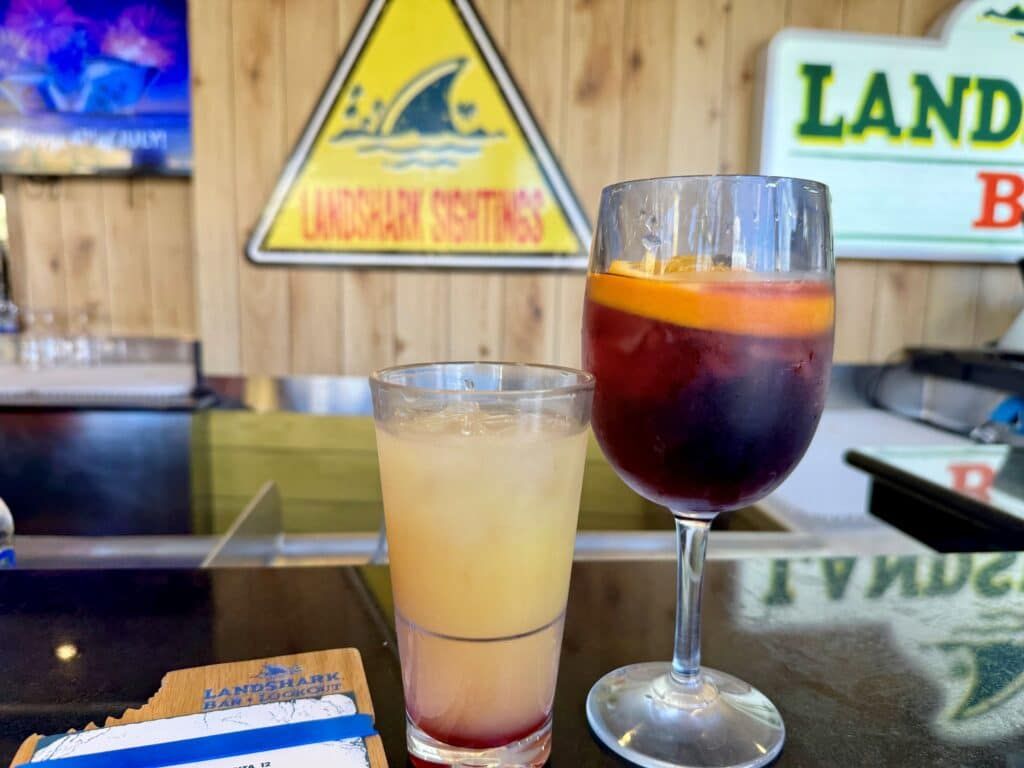
Cruise ship drink packages are one of the most debated topics in cruising. Most alcoholic beverage packages run between $65-$120 per person per day depending on the cruise line. If you typically consume five or more alcoholic drinks a day plus specialty coffees, bottled water, and premium non-alcoholic beverages, the package likely pays for itself. If you are a light drinker, it probably does not. Also consider that most major lines require all adults in a cabin to purchase the package if one person does.
If you plan to be ashore most of the time — at a beach, doing an excursion, or exploring Nassau — you could end up paying for a package you barely use. Private island compatibility is another thing to check before you buy. Drink packages work at some cruise line private destinations, but not all. At Carnival’s Celebration Key, for example, the Cheers beverage package does not apply — drinks there are purchased separately.
Tip #14: Know When to Book Excursions Through the Cruise Line and When Not To
The cruise line is not your only option for shore excursions, and it is not always the best one either. Booking directly through the cruise line offers one significant advantage: a guarantee that the ship will wait for you if your tour runs late.
That said, third-party providers frequently offer the same or better tours at lower prices. Shore Excursions Group is a reliable option that offers a return-to-ship guarantee similar to what the cruise line provides, giving you cost savings without sacrificing that safety net. Fully independent bookings — particularly in Nassau, where taxis are plentiful and the city is navigable — can save even more and often provide a more authentic experience. We recommend mixing your approach based on the port and the excursion options.
Tip #15: Complete Online Check-In and Download the App Before You Leave Home
Most cruise lines now require online check-in and will assign you a boarding time as part of that process. Completing this before you leave home speeds up your arrival at the terminal significantly and ensures you get an early boarding time. This is especially important if you’re taking a short cruise and want to make the most of it.
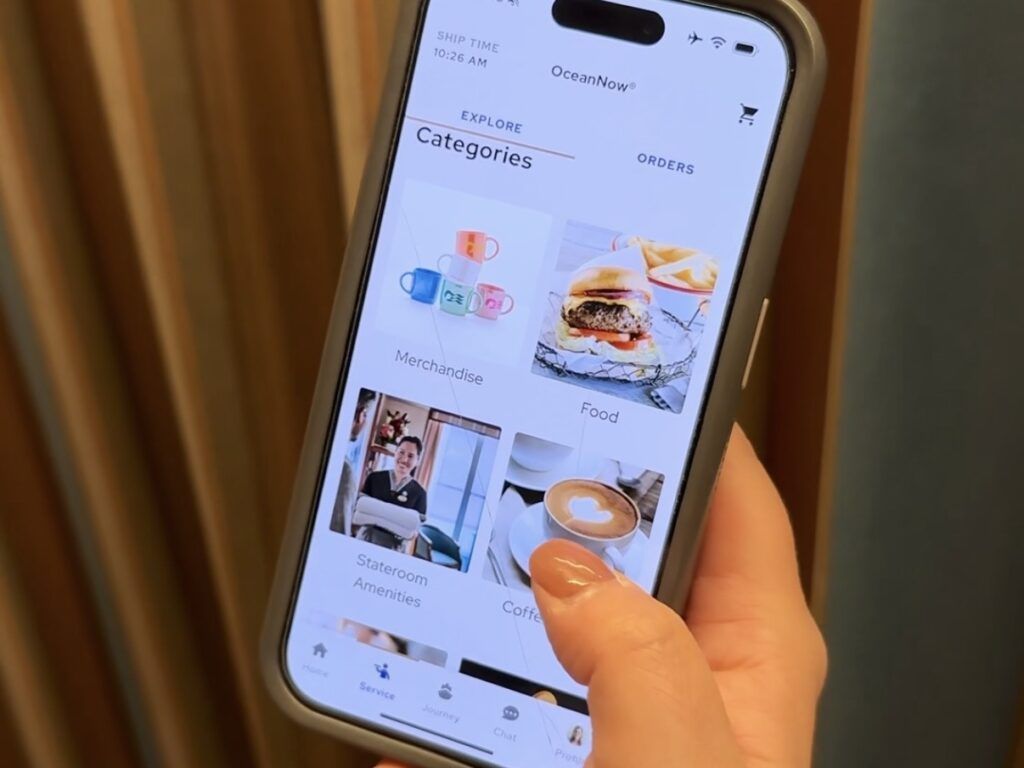
Downloading the cruise line’s app is equally important. The app works over the ship’s onboard WiFi without requiring a paid internet package, and it serves as your primary tool for everything from viewing daily schedules to checking your onboard account and chatting with other guests. Set it up at home where you have a fast, reliable connection rather than trying to figure it out on embarkation day.
Tip #16: Sort Out Your Documentation — and Bring a Passport Even Though You Don’t Technically Need One
U.S. citizens on closed-loop Bahamas cruises — sailings that begin and end at the same U.S. port — can technically board with just a government-issued photo ID and an original birth certificate. But technically being able to board is not the same as being adequately prepared.
A passport is strongly recommended for several important reasons. If you miss the ship at a port of call, you will need a passport to fly home from a foreign country. If a medical emergency requires you to be evacuated or leave the ship unexpectedly, a passport is essential. The bottom line: get a passport if you do not have one, and bring it on every cruise.
Tip #17: Fly In a Day Early
If you are flying to your embarkation port, arriving the day before your cruise is one of the smartest things you can do. Flight delays, cancellations, and missed connections happen — and the ship will not wait for you. Missing embarkation day means scrambling to catch the ship at the next port of call at your own expense, assuming that is even logistically possible.
We always fly in a day early and book a pre-cruise hotel near the port. It removes the stress from embarkation morning and ensures we board the ship well-rested and ready to go. The peace of mind is worth the extra hotel night every time.
Tip #18: Pack Smart — Lightweight, Versatile, and Sun-Ready
Bahamas cruise packing is far more forgiving than packing for a destination like Alaska or Europe. Much like the Caribbean, the packing formula is simple: lightweight, breathable fabrics that can be mixed and matched. Think quick-dry shorts and shirts that work both in port and around the pool, sundresses or casual pants that transition from day to night, and comfortable walking shoes alongside your flip flops and a pair of evening shoes for dinner.
A well-stocked carry-on is essential too regardless of how you pack your main luggage. Your checked bags will not arrive to your cabin until the late afternoon on embarkation day, so your carry-on needs to have everything you need for the first several hours: travel documents, medications, sunscreen, a bathing suit and change of clothes, phone chargers, and any valuables.
Tip #19: Know What Not to Bring
Some prohibited items on cruise ships are obvious — weapons, illegal substances, and pets. Others catch first-time cruisers off guard. Clothes irons and steamers are not allowed on any cruise ship. Candles, hot plates, and electric kettles are also prohibited. Traditional surge protectors and extension cords are banned too, though some cruise-approved power strips are permitted.
Most cruise lines allow passengers to bring two 750ml bottles of wine per cabin onboard in their carry-on luggage, but no other alcohol. Attempting to sneak spirits onboard rarely works — and getting caught can result in confiscation or worse. Know the rules before you pack.
Tip #20: Use Cabin Hacks to Stay Organized
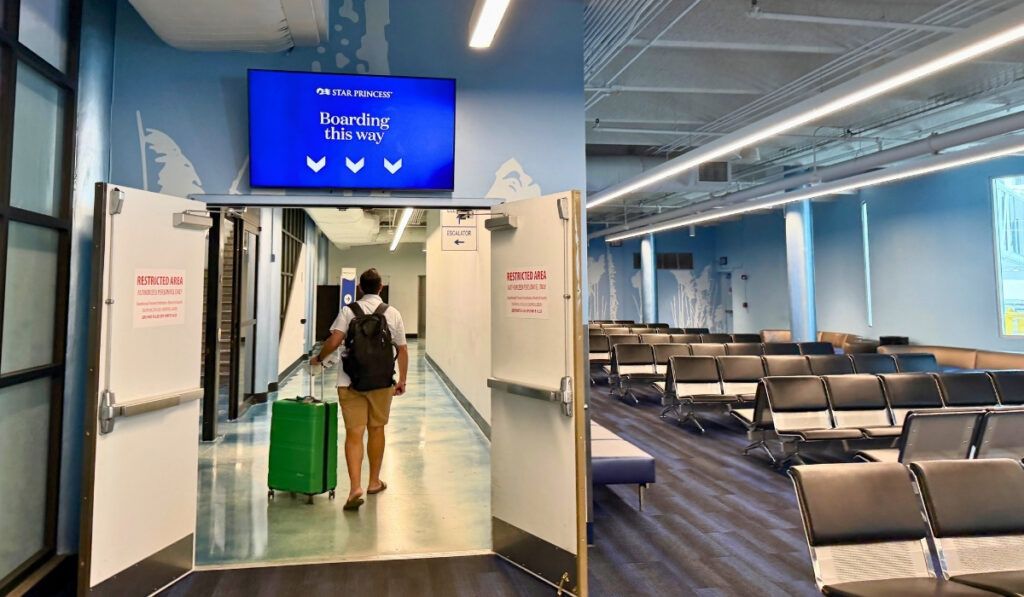
Cruise cabins are compact spaces that require some creativity to keep organized. There are a few simple items that we swear by. Magnetic hooks are perhaps the single best space-saving cabin hack in cruising. The walls of your stateroom are metal, meaning strong magnetic hooks attach instantly without any damage. Use them to hang wet bathing suits, day bags, hats, and anything else you do not want cluttering your limited closet space.
An over-the-door shoe organizer — hung with magnets on the cabin wall — is equally useful, providing pockets for toiletries, sunscreen, chargers, sunglasses, and the dozens of small items that tend to take over every surface. Both pack flat, weigh almost nothing, and make a noticeable difference in how livable your cabin feels.
Tip #21: Is Nassau Safe? What Cruisers Should Know
Nassau’s safety reputation gives some Bahamas cruise first-timers pause, and it is worth addressing directly. The honest answer is that Nassau is generally safe for cruise passengers who use common sense — millions of cruisers visit every year without incident.
That said, a few precautions go a long way. Leave valuables on the ship — bring only what you need for the day, including a small amount of cash and one card. Be aware of your surroundings in crowded areas like the straw market, where petty theft can occur. Stick to well-populated spots and avoid wandering away from the tourist areas. Use the same awareness you would in any unfamiliar city and you will have a great day.
Tip #22: Nassau Is More Than Just Bay Street
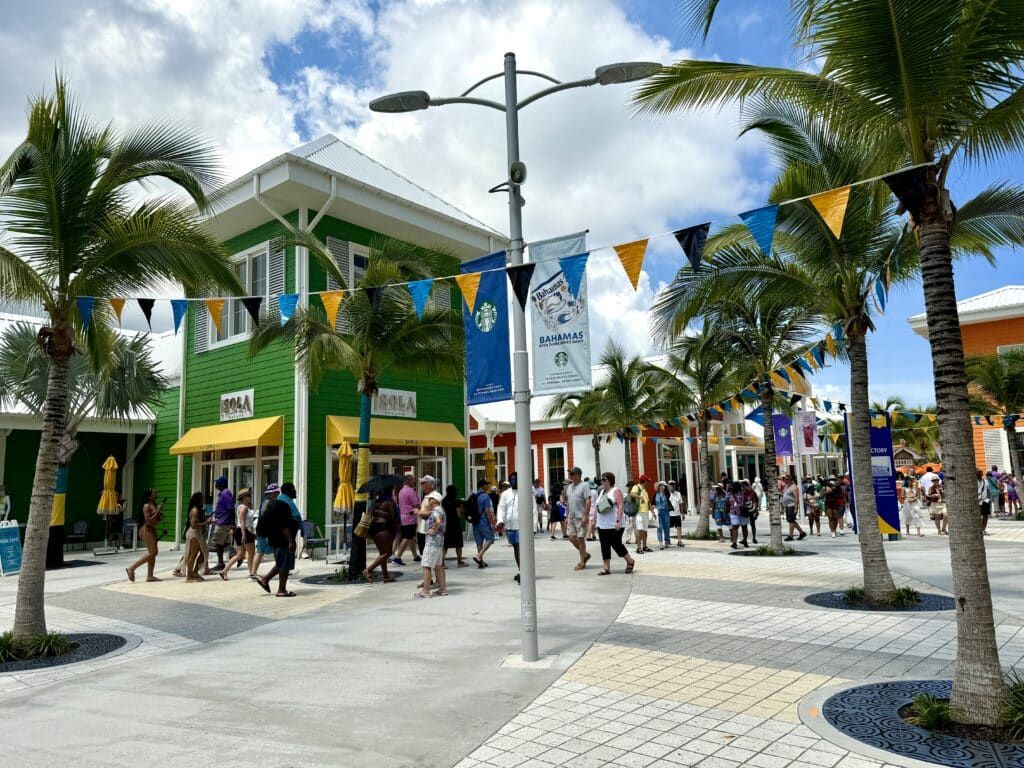
The strip right outside the ships on Bay Street is heavy on jewelry stores and souvenir shops, including the Nassau Straw Market, and can feel a bit aggressive with the sales pitches. But Nassau has a lot more to offer. The Fish Fry at Arawak Cay is a row of casual, colorful food shacks serving Bahamian dishes at reasonable prices. The Queen’s Staircase — a 66-step staircase carved out of limestone — is a popular and free stop. Fort Charlotte, the largest fort on the island, is worth a visit too. Other spots popular with cruisers include the John Watling’s Distillery, Graycliff Cigar Company & Chocolate Factory, and Ardastra Gardens, Zoo, & Conservatory.
Getting around Nassau is straightforward. Taxis line up right outside the cruise terminal and are the easiest option for most stops — fares are regulated, so agree on the price before you get in. Jitney buses also run fixed routes for cheap; however Uber and Lyft do not operate in Nassau.

Tip #23: Know Your Nassau Beach Options
The Bahamas is famous for its beaches, and Nassau has more options than most cruisers realize. Knowing what each offers before you go helps you pick the right one for your group rather than defaulting to whatever is closest.
Junkanoo Beach is the easiest choice. It is within walking distance of the cruise pier, free to access, and has clear, shallow water with a beach bar and watersport rental options nearby. It gets busy, but for a quick and convenient beach stop it delivers. Cabbage Beach on Paradise Island is widely considered one of the best beaches in all of the Bahamas — a mile of soft white sand with calm water, just east of Atlantis. Getting there requires a short taxi ride or water shuttle and a small entrance fee, but it is worth it. Cable Beach, about 15 minutes from the pier by taxi, is a longer resort-lined stretch with calm water, watersport rentals, and a livelier scene.
Resort day passes are another solid option. Several Nassau resorts — including Margaritaville Beach Resort, Baha Bay Waterpark at Baha Mar, and Atlantis — sell day passes to cruise visitors that include beach and pool access, sometimes with food and beverage credits. And for Royal Caribbean passengers, there’s the new Royal Beach Club Paradise Island.
Tip #24: Is Atlantis Worth It for Cruise Passengers?
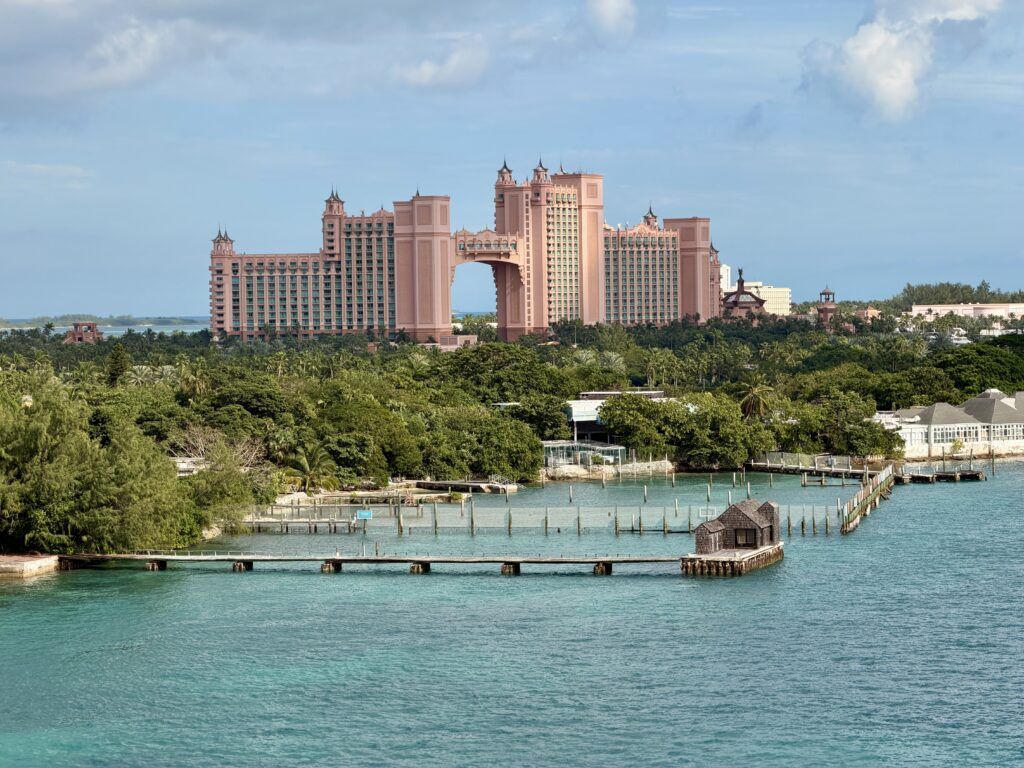
Atlantis Resort on Paradise Island is one of the most recognized names in Bahamas tourism. The short answer on whether it is worth it for cruise visitors: it depends on who you are traveling with and how you plan your day.
The resort’s day pass gives cruise passengers access to the marina village, the aquarium (one of the largest open-air marine habitats in the world), and the resort grounds. To access the waterpark and the beach, you need to pay for a higher-tier day pass or book through a cruise line excursion that includes it. Prices can run $150-$250+ per adult and upwards of $100 per child, which adds up quickly for a family. On top of that, food, drinks, and locker rentals are all extra.
For families with kids who love waterparks and are happy spending a full day there, Atlantis can be great. But honestly, we find it hard to justify the price.
Tip #25: What to Eat in the Bahamas
Bahamian food is one of the underrated highlights of a Bahamas cruise. The national dish is conch. It is served everywhere from casual beach shacks to sit-down restaurants and is a must-try. Conch fritters are a very popular fried snack version and can be found just about everywhere as well.
Other local favorites include fresh grilled fish, peas and rice, and johnnycakes — a slightly sweet cornbread that accompanies most local meals. For a local drink, look for Sky Juice, a Bahamian cocktail made with gin, coconut water, and sweet milk. If you are a foodie who is looking for something a bit different during your visit to Nassau, we suggest booking a Tru Bahamian Food Tour.
Tip #26: Don’t Skip the Swim With the Pigs Excursion
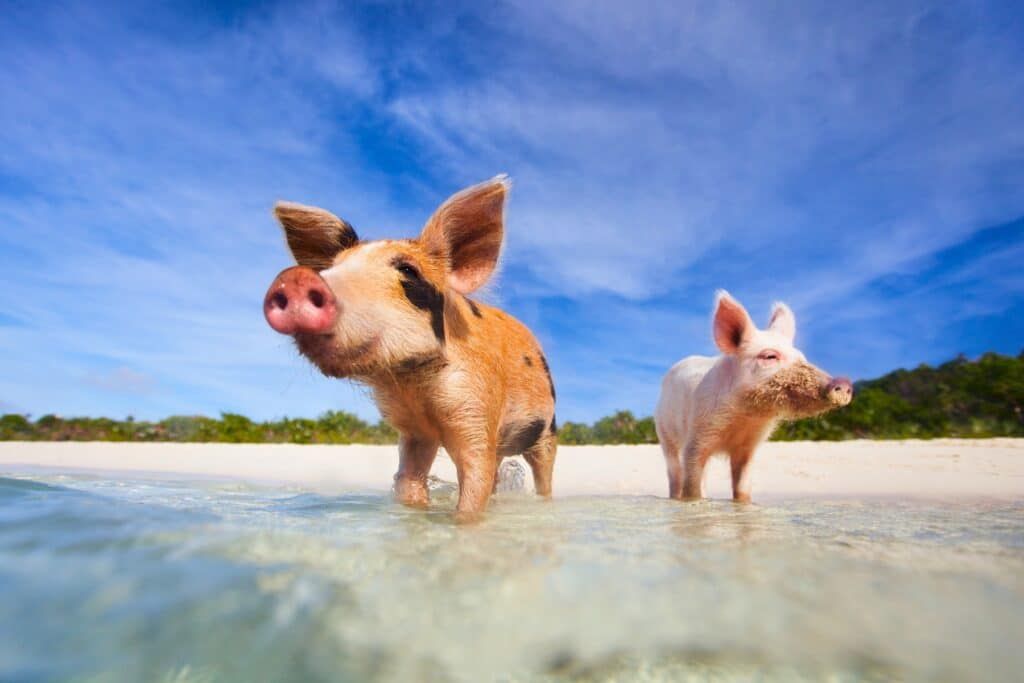
Swimming with pigs is one of the most popular and talked-about shore excursions in the Bahamas, and it lives up to the hype. While the original swimming with the pigs location is in Exumas, which is not easily accessible from a day visit to Nassau, other options do exist for cruise passengers.
Most major cruise lines offer some version of it as a Nassau shore excursion, with Pearl Island and Rose Island being the most popular spots. It’s also available as an excursion from some private island stops like Perfect Day at CocoCay and Great Stirrup Cay. If this sounds like something your group would enjoy, book early as this tour tends to sell out.
Tip #27: Don’t Miss the All Aboard Time
Between the beaches, excursions, local food, and a cold drink in hand, port days in the Bahamas have a way of flying by faster than you expect. Before you know it, what felt like plenty of time has turned into a sprint back to the pier. The ship will not wait — and missing all aboard means arranging and paying for your own transportation to the next port of call. Don’t be a pier runner; be smart and plan ahead.
Before heading ashore, confirm the all aboard time and set a phone alarm for well before that cutoff. Build in more buffer than you think you need, especially in Nassau where traffic can eat into your return time. A little cushion at the end of a great port day is a much better problem to have than a stressful race back to the ship.
Tip #28: Private Island Days — What to Know Before You Go
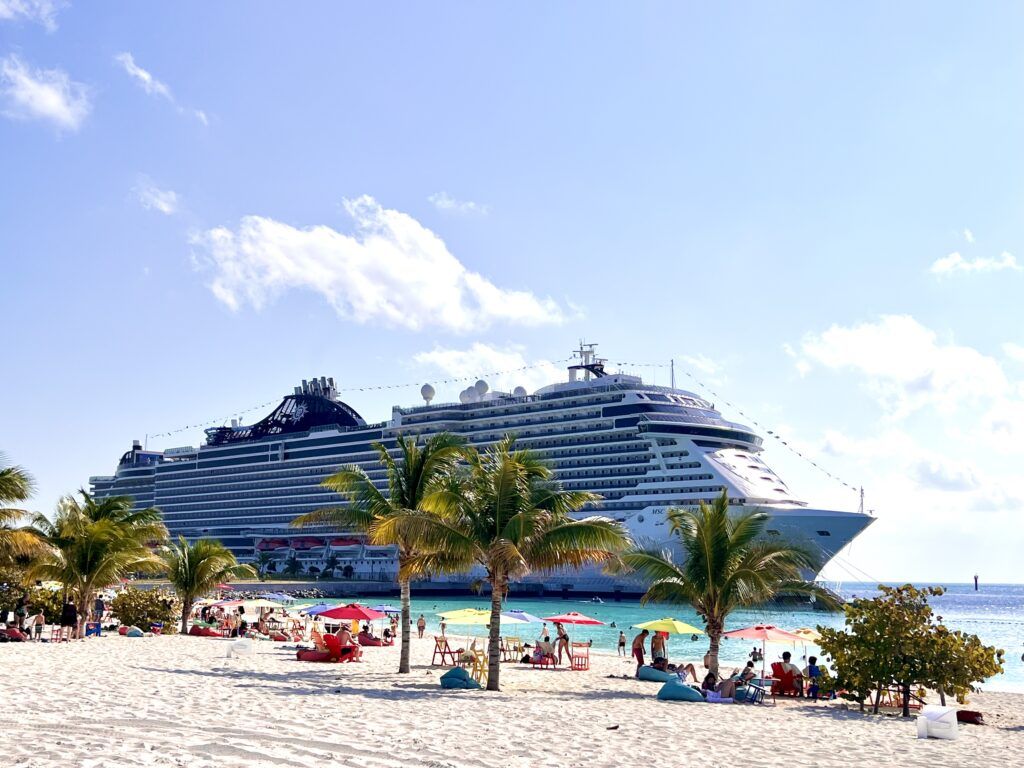
If your itinerary includes a private island stop — Perfect Day at CocoCay, Castaway Cay, Half Moon Cay, Ocean Cay, Great Stirrup Cay, Celebration Key, Lookout Cay, and Princess Cays — these days tend to be among the highlights of the cruise for those seeking sun and fun.
These private islands feature stretches of sandy beaches with loungers that are complimentary to all guests, plenty of food and drink options, and some even have lagoon pools and kids splash areas. A buffet lunch is included at most of these destinations, with Celebration Key being the exception. While basic beverages are included, alcoholic drinks will cost extra — some cruise line drink packages do work on the private island.
Other available activities vary by destination, but you can typically find water sports for an upcharge and a sports court. Some feature waterslides, bike trails, adult-only retreats, and cabanas as well for additional fees. If you’re interested in these cabanas or premium experiences, book as early as possible.
Tip #29: Don’t Feel Obligated to Get Off at Every Port
There is an unspoken pressure to get off the ship at every port of call, as if staying onboard means “wasting” part of your cruise. We are here to tell you the opposite can be true. A port day is the perfect time to explore the ship. The pools are yours without competition for chairs. Bars and restaurants are less busy. Spa deals and port-day specials often appear. The ship is a completely different and surprisingly peaceful place when the majority of passengers are ashore.
If you have visited Nassau before, if you just want a rest day, or if the port does not particularly interest you, staying onboard is a completely legitimate and enjoyable option. We have done it many times and have zero regrets.
Tip #30: Plan Ahead for a Stress-Free Disembarkation
The last morning of a cruise can feel chaotic if you are not prepared for it. Most cruise lines will deliver luggage tags to your cabin a day or two before the end of the cruise. Attach these to your bags, leave them outside your cabin door the night before, and they will be transported off the ship for you to collect in the terminal. Just be sure to keep necessities with you — travel documents, medications, and a change of clothes for the morning.
If you prefer to carry your own luggage off, self-disembarkation is usually available and typically moves faster. Either way, do not book a flight home that is too early. Disembarkation can run behind schedule, and most cruise lines recommend not booking flights before noon. This buffer means the end of your cruise stays relaxed rather than stressful.
Comments
Have you cruised to the Bahamas? What are your best Bahamas cruise tips, hidden gems, or must-do experiences? Drop us an anchor below — we would love to hear what you have discovered.
The post What to Know Before You Cruise to the Bahamas (From Someone Who’s Done It Dozens of Times) appeared first on EatSleepCruise.com.

