Adventurous Kate contains affiliate links. If you make a purchase through these links, I will earn a commission at no extra cost to you. Thanks!
Let me tell you something about Madrid that hit me the moment I arrived: it feels like a city built for city connoisseurs. People who love dining, parks, museums, traveling on public transit.
I am very much a city person. My favorite thing about exploring cities is getting to pretend like I’m a local for a little bit, whether it’s dropping into a local bakery, spending some time reading in a park, or jumping on the metro to check out a new neighborhood.
And Madrid is a city-lover’s city — a metropolis filled with culture and vibrance. If this were a city, it would be Madrid.
Back on my first trip to Spain many years ago, I didn’t put Madrid on my original itinerary and my readers basically staged a mutiny until I rerouted. And yes — they ABSOLUTELY made the right call.
Here’s why Madrid has stayed with me — and why you should consider it for your next trip.
This post is brought to you by ES Madrid, including their photos.
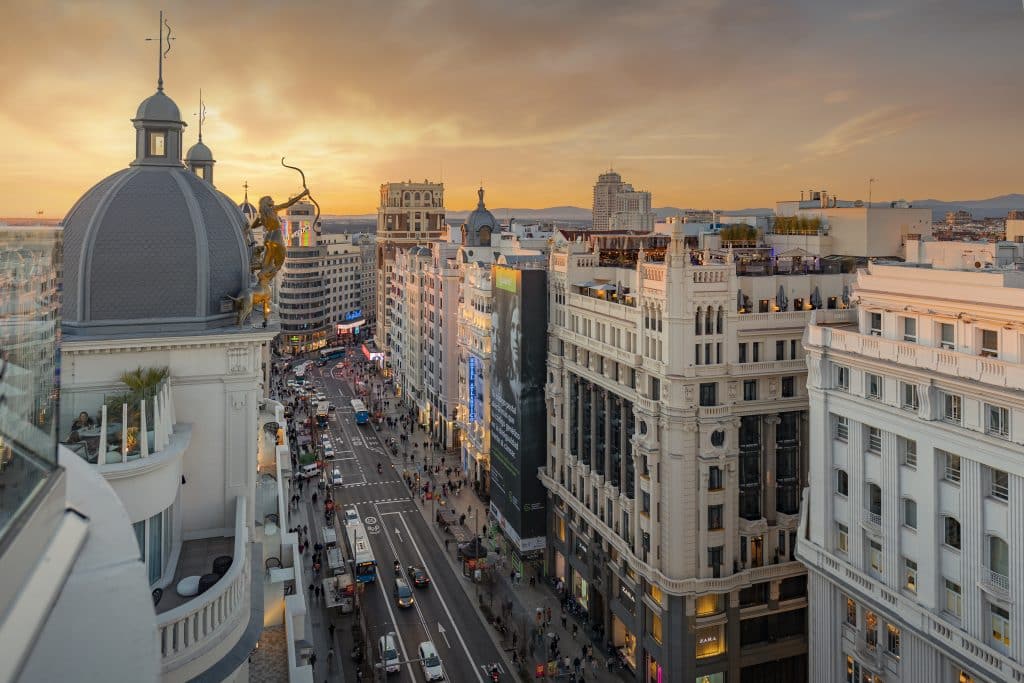
Madrid Runs on Its Own Clock
If you’ve spent time in Spain before, you know that Spanish cities operate on a laaaate schedule. Lunch starts at 2 PM. Dinner starts at 9 PM. The streets fill up at 11 PM on a Tuesday. It’s not unusual to see kids running around on the street at midnight.
And Madrid, the cultural and geographic epicenter of Spain, is a place that takes this culture very seriously.
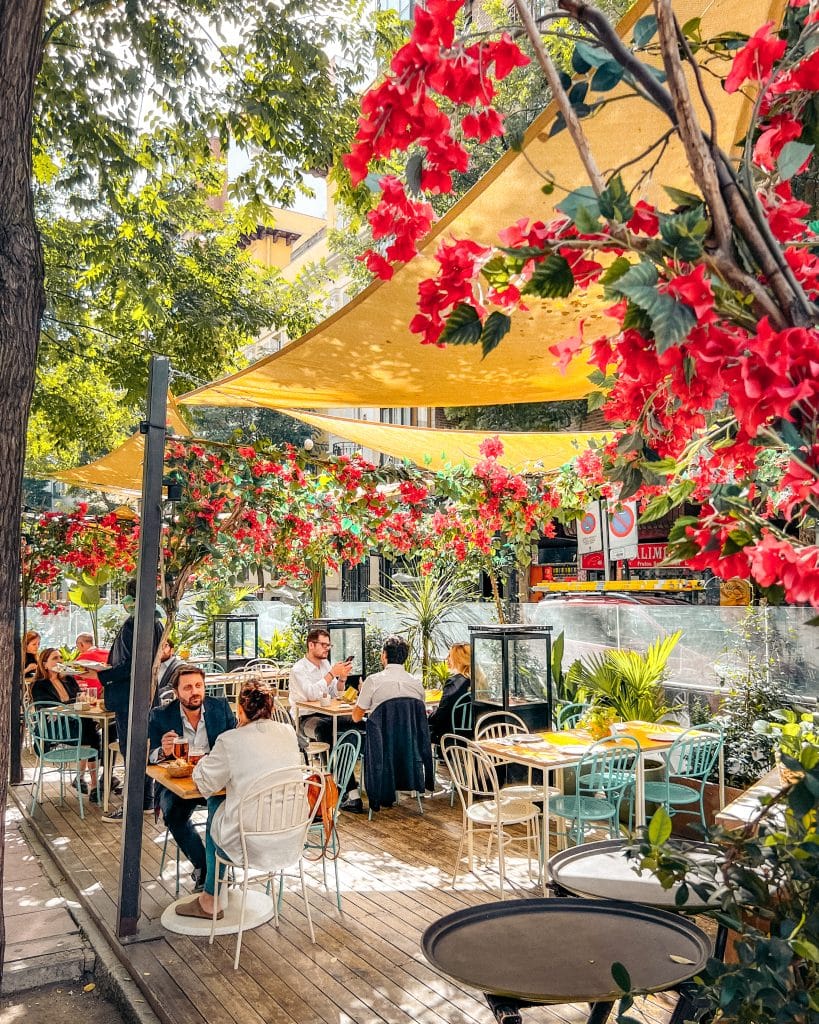
There’s a concept called the tardeo, essentially the late-afternoon social ritual, where people gather on terraces in neighborhoods like Salamanca for drinks before dinner. It’s a beloved tradition, and a civilized reminder that the day isn’t over yet.
And that’s just a nice pause before Madrid’s second act in the evening. If you’ve always been more of a night owl, the Spanish schedule will agree with you.
Parks and Greenery
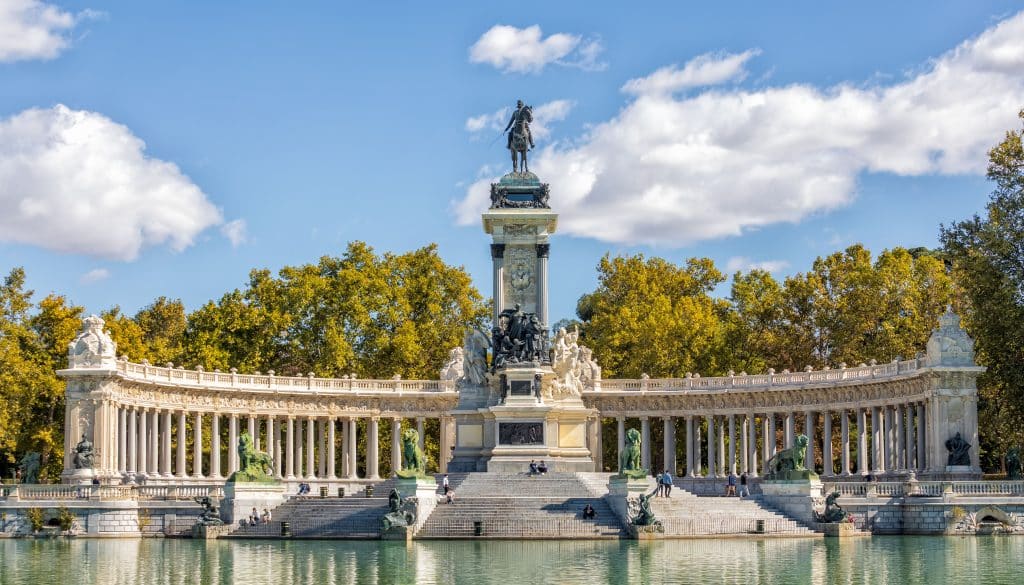
One of my favorite places in Madrid is El Retiro Park (Parque El Retiro), a park that my readers insisted was unmissable. And once again, they were right. Retiro Park deserves to be named among the great urban parks of Europe, if not the world.
To me, Madrid feels more dense and urban than other Spanish cities — which is part of what makes it exciting to me. But the moment you step into Retiro, the contrast hits you immediately.
You go from city hum to enormous, calm greenery in about thirty seconds. There’s a rowing lake, the spectacular Crystal Palace (a 19th-century glass-and-iron greenhouse now used for contemporary art installations), and a monument to Alfonso XII that is so wonderfully theatrical.
I could have stayed here all afternoon. I’d go back with a book anytime. And that’s the highest praise I can bestow upon a park!
Art and Museums
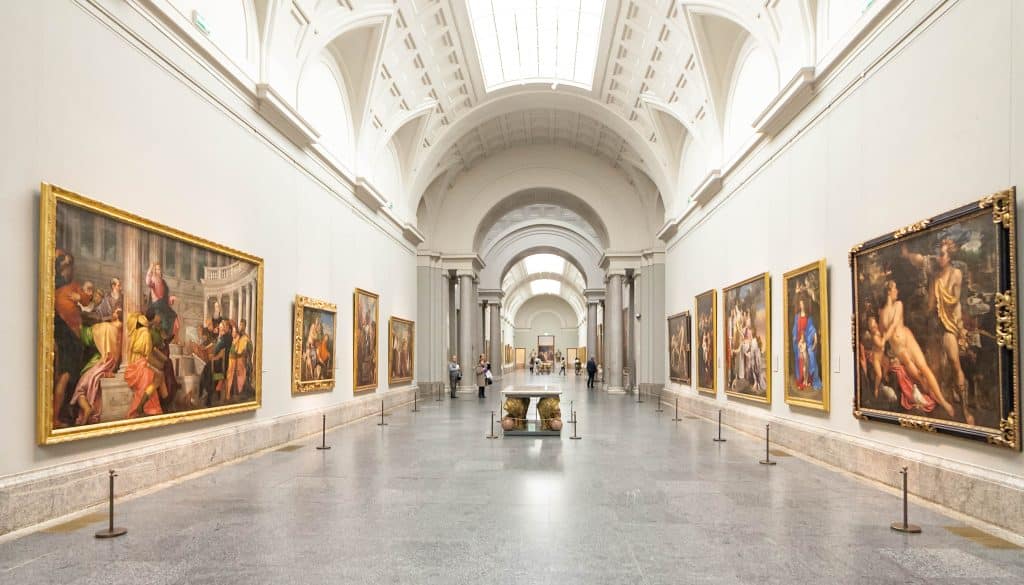
If you’re a museum fan, Madrid is one of the great museum cities of Europe — especially when it comes to art museums.
The Reina Sofía is one of the best modern art museums I’ve been to anywhere, up there with the Centre Pompidou in Paris and the MALBA in Buenos Aires.
Picasso’s famous painting Guernica is there, showing the horrors of war. And you should prioritize seeing it — the scale alone is genuinely shocking, it fills the room in a way no photograph prepares you for.
But don’t go only for the Picasso. Wander around and find what moves you.
The painting that stopped me cold was one I’d never heard of: A World, by Spanish artist Ángeles Santos Torroella, painted in 1911. I stood in front of it for a long time. That feeling of unexpectedly discovering something that gets completely under your skin is exactly why I go to art museums.
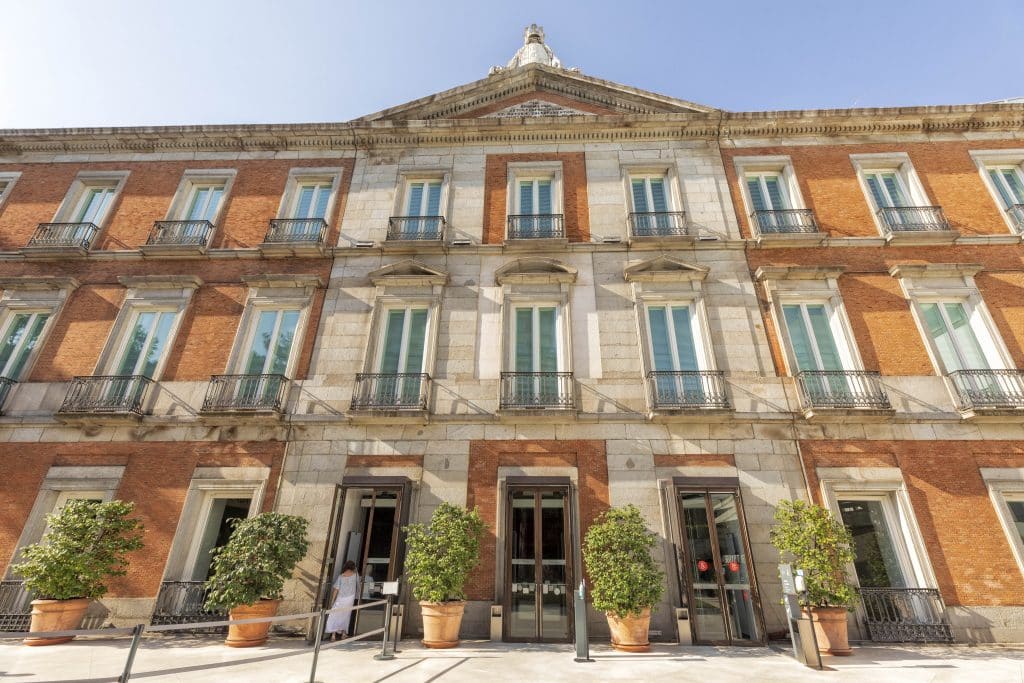
Beyond the Reina Sofia, the Prado and the Thyssen-Bornemisza round out what’s known as the Golden Triangle of Art. Between these three institutions, you have one of the most remarkable collections of art in the world, and serious museum-goers could spend multiple days here alone.
Culinary Wonders
I have a group of foodie friends in Prague. We come from several different countries, but we’re all obsessed with food, and we do regular trips to different European culinary regions each year, like the Basque Country or the South of France.
When we started talking about our next trip, Madrid rocketed to the top of our list. Two of my friends hadn’t been at all, and the rest of us would love to return and dive deeper into the food scene than we did on previous trips.
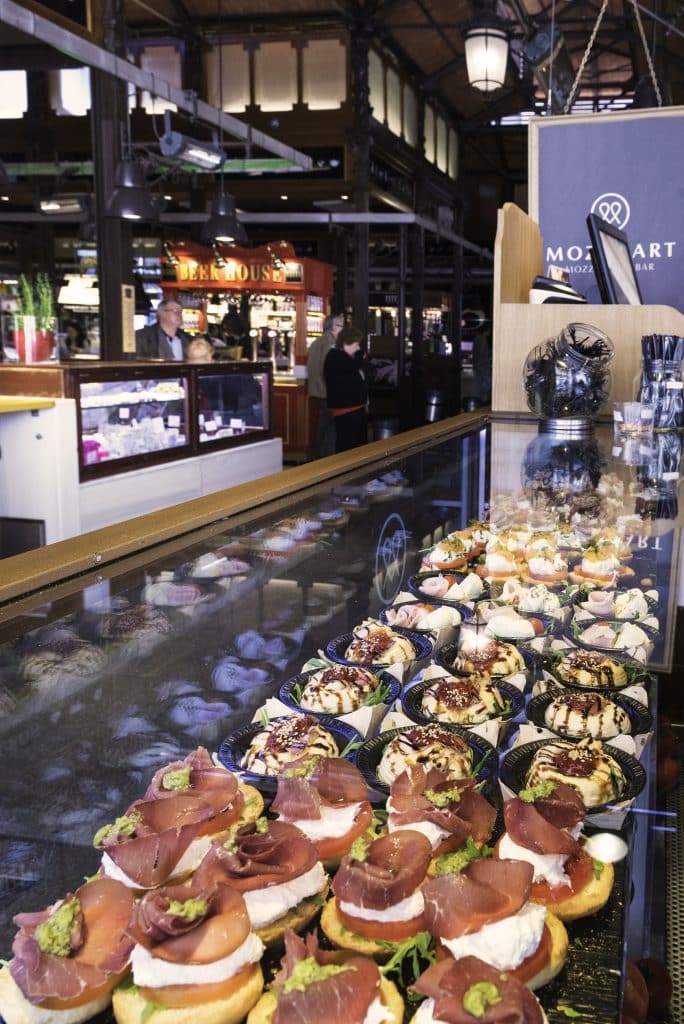
Mercado de San Miguel was one of my favorite stops on my one day in the city — a beautiful iron-and-glass market near Plaza Mayor with food stalls serving small portions of everything. Iberian jamón, pintxos, fresh seafood, wine. The format is perfect for grazing.
I must share that my personal highlight was meat in a cone. Like an ice cream cone, but filled with cured ham. Madrid invented this and should be celebrated for it!
Beyond the market, the city’s food story runs deep: century-old taverns in La Latina serving jamón and house wine, the city’s signature cocido madrileño (a deeply comforting slow-cooked stew of chickpeas, meat, and vegetables), and a serious fine dining scene for when you want something more ambitious.
Multiple Michelin-starred restaurants, innovative chefs, a culinary culture that takes itself seriously without being snobby about it.
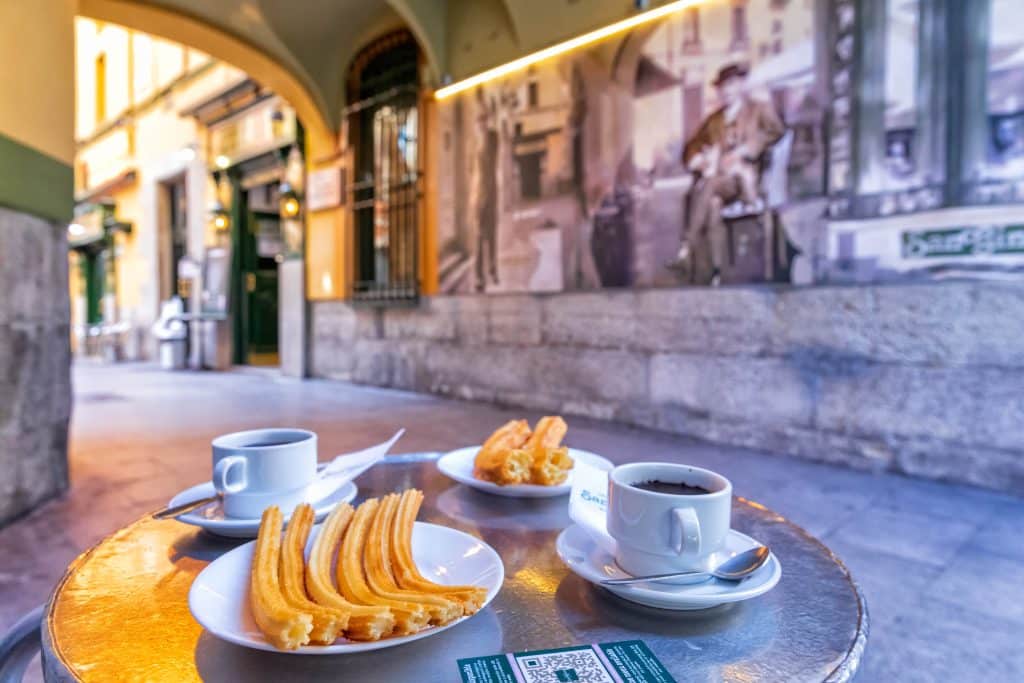
And then…there are churros with hot chocolate. At any hour of the day.
Exploring Madrid Neighborhoods
I love cities that have distinct, interesting neighborhoods that feel different from each other. And Madrid is definitely one of those cities.
Malasaña is the creative indie heart of the city — street art, vintage shops, cafés that look like they were designed by someone who cares deeply about light fixtures. It’s where Madrid feels young and a little scruffy in the best way.
Chueca is vibrant and welcoming, Madrid’s LGBTQ+ hub, with great restaurants and a buzzy social energy.
Salamanca is where you go when you want to feel fancy — wide boulevards, upscale boutiques, those beautiful terraces.
La Latina is where you go on a Sunday morning to browse El Rastro, the city’s famous flea market, and reward yourself with vermut and tapas at one of the bars spilling out onto the street.
And if you like going off-map, the emerging neighborhood of Carabanchel is worth exploring — local art spaces, neighborhood bars, none of the tourist veneer.
A Note on Madrid vs. Barcelona
I’ve noticed travelers tend to compare these cities, so here’s my honest take: they’re both great, but they’re different. Barcelona is lovely and photogenic and has cool architecture and beaches.
But if you are someone who loves the feeling of a big city — the energy, the density, the sense that real people live here and the city has a life completely independent of you — Madrid is your city. It’s less curated. It’s more itself. It operates on its own terms and prioritizes locals first.
That’s what I love about Madrid.
Planning Your Trip to Madrid
How to get to Madrid: Madrid-Barajas Airport (MAD) is well-connected from the US, with direct flights from major cities. The Metro runs directly from the airport into the city center — and it’s one of the most efficient metro systems I’ve experienced in any European city.
How to get around Madrid: Madrid’s city center is very walkable, and the Metro is excellent for longer distances. Staying central — neighborhoods like Malasaña, Chueca, or near the Prado — puts you within easy reach of most of what you’ll want to see.
When to go to Madrid: Spring (April–May) and fall (September–October) are ideal — comfortable temperatures, fewer crowds. If summer is your only option, that can work too: hotel prices can be lower, and the city empties out a bit as madrileños head to the coast, which means shorter lines at museums and restaurants.
How long to spend in Madrid: I recommend three full days for a minimum for exploring the city.
But if you’re interested in day trips from Madrid, five days is a good minimum. There are UNESCO World Heritage-listed day trips, including Toledo, Segovia, and the Royal Palace of Aranjuez.
For longer trips, Spain’s rail network also connects Madrid to Barcelona, Seville, and Valencia, making it a wise landing for a broader Spain itinerary.
For trip planning, Madrid’s official tourism site — esmadrid.com — is genuinely useful and well-organized.
Madrid has been quietly one of Europe’s great city destinations for a long time. I love how it’s under the radar a bit, and that’s what appeals to me about it.
And now I think it’s time to turn to the group chat and bring up a weekend in Madrid to my friends once again!

