If you have flights booked for the coming months, you can probably exhale: The threat of terribly long airport security lines seems to be behind us.
The longest partial government shutdown in history ended after 76 days on Thursday, when the House of Representatives passed bill to reopen most of the U.S. Department of Homeland Security.
The measure fully funds the Transportation Security Administration, and ensures TSA officers won’t again have to go without pay — a critical move three weeks ahead of the unofficial start of the summer travel rush — and with just over a month until the start of the World Cup in North America.
Here’s what travelers should know.
Shutdown ends, TSA business as usual
When President Donald Trump signed the bill ending the partial shutdown Thursday, it also marked the end of a rough stretch at airports.
During this latest stalemate in Washington, travelers faced three- and four-hour security lines at some of the nation’s busiest hubs as unpaid TSA officers called off work in droves.
While the worst backups faded in April when Trump opted to pay TSA workers via executive action, the aviation sector had feared a return of long security backups in May.
Now, it appears travelers can expect checkpoints to be running normal, more or less, ahead of the summer surge.
In a statement late Thursday, the TSA workers’ union said it was “pleased that Congress finally stepped up to do their jobs,” but noted it was “unacceptable that it took them this long to do so.”

Reward your inbox with the TPG Daily newsletter
Join over 700,000 readers for breaking news, in-depth guides and exclusive deals from TPG’s experts
Concerns and frustration linger
We should note, there are lingering concerns about damage done during this marathon Washington stalemate.
More than 1,100 TSA officers resigned or otherwise left their posts since mid-Febuary, the agency said this week. That’s certainly a less-than-ideal staffing shortfall that could fuel some checkpoint slowdowns as summer kicks into high fear.
Stat check: Through Wednesday, TSA officers had screened just over 280 million passengers in 2026, according to checkpoint data reviewed by TPG Friday. That’s up ever so slightly (by 0.9%) over last year.
How to check TSA wait times
Still, it’s full-speed-ahead to the summer travel season.
How long can you expect to wait at TSA? It’ll soon be easier to check.
With the government reopening, the TSA’s official app should soon be fully up and running again.
With that app, you can check live wait times at airports across the country and see predictions on how long the lines will likely be at whatever time of day (and day of the week) you’re flying.
The app wasn’t being regularly updated during the shutdown, which forced travelers to use a patchwork of websites and social media pages to figure out how early to get to the airport.
Fortunately, those days are (at least for now) over.
TSA PreCheck discounts available right now
Even though the days of multi-hour TSA backups should (hopefully) be in the rearview mirror, having a fast-tracked program like TSA PreCheck or Global Entry can still be a huge time-saver if you fly with any frequency.
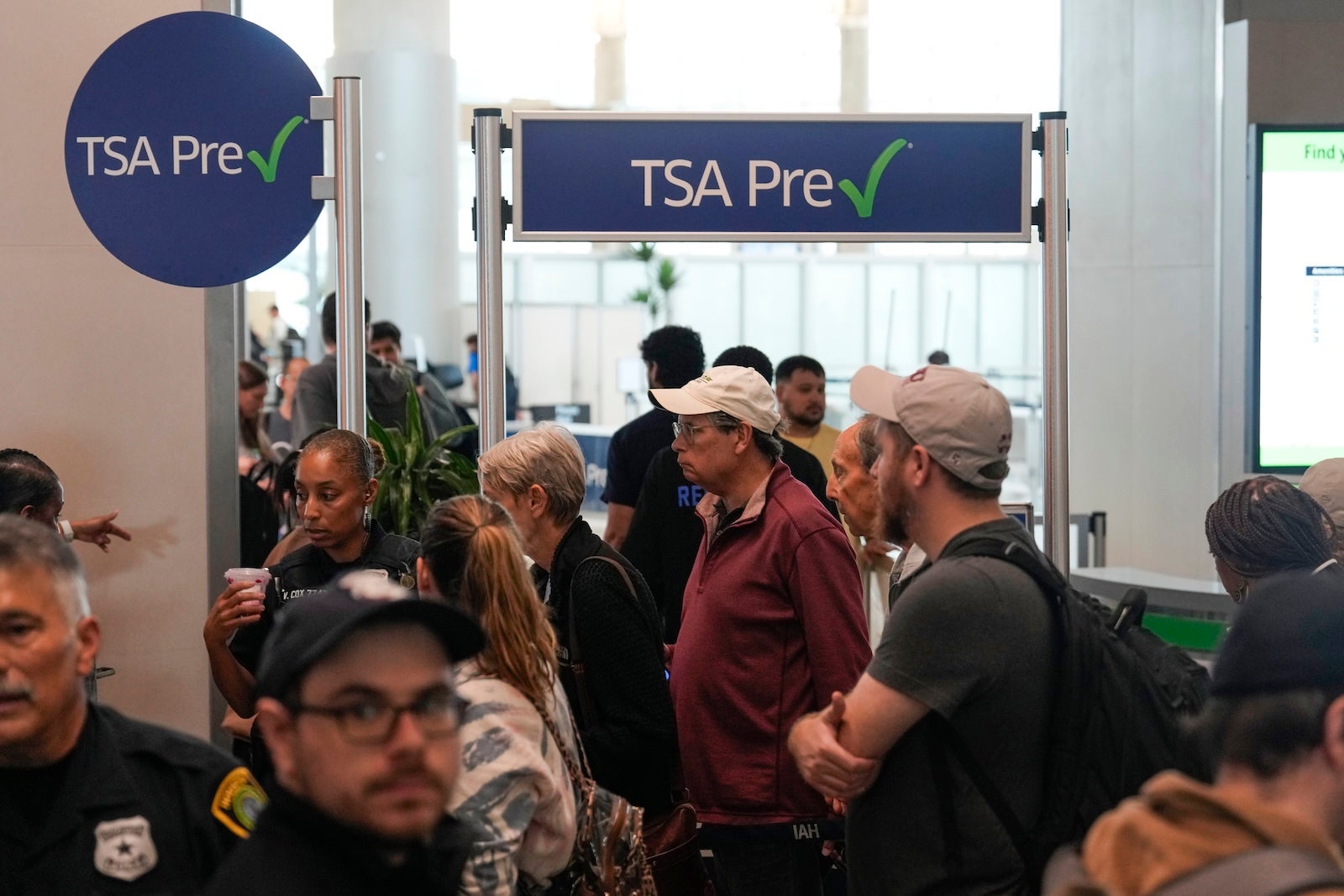
Now may be a great time to sign up if you’ve been on the fence.
This month, the TSA is offering application fee discounts for children and young adult travelers.
Normally, a standalone TSA PreCheck application costs $78 for five years of access.
Through May 31, travelers age 30 and younger can get a discount of up to $20.
Note that this discount does not apply to a more comprehensive Global Entry membership, which comes with TSA PreCheck access and access to the expedited lanes at passport control.
Global Entry carries a $120 application fee that covers you for five years.
However, keep in mind, there are credit cards that will reimburse your application fees for both programs.
Enroll in TSA PreCheck Touchless ID with every airline you fly
Already have TSA PreCheck access?
If you’re flying this summer, I’d take a few minutes now to go to your profile with each airline you fly to opt in to the new TSA PreCheck Touchless ID program.
As TPG reported earlier this week, these ultra-fast lanes are now at more than 60 airports nationally, and are even faster than going through the regular PreCheck lanes.
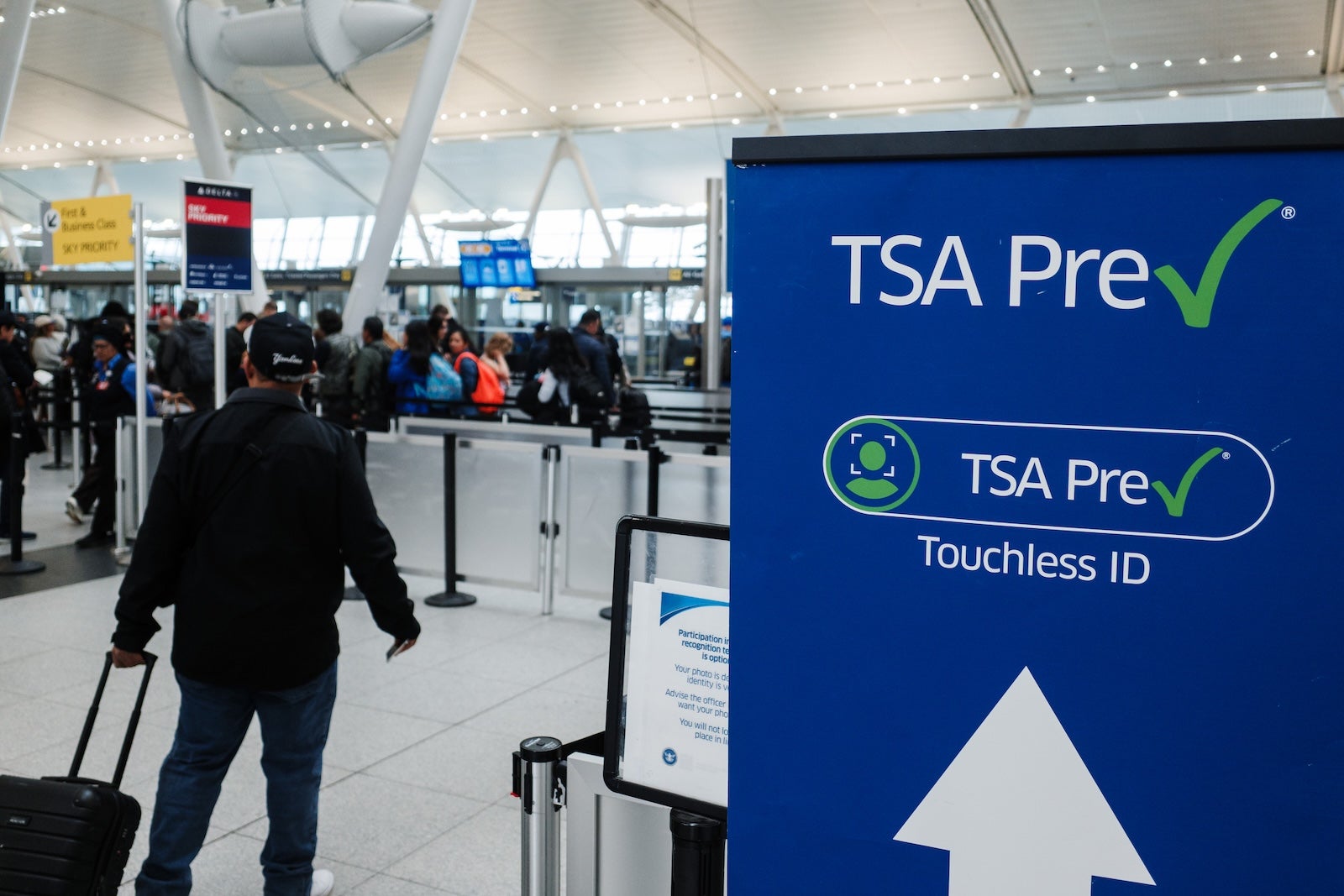
But you have to opt in (and upload your passport info) ahead of time with each airline you fly with in order to be able to access those lanes.
The TSA’s Touchless ID program does not cost extra for passengers with a PreCheck or Global Entry membership.
Looking ahead to the next shutdown
Meanwhile, leaders across the travel industry are already asking Congress to make changes to avoid major air travel disruptions when the next shutdown happens — because, let’s be honest, there likely will be a “next time.”
There’s been legislation proposed on Capitol Hill to ensure critical aviation employees like TSA officers and air traffic controllers don’t lose paychecks even when the rest of the government is shuttered.
So far, though, no such bill has been passed into law.
“Congress needs to stop the cycle of uncertainty,” United Airlines said a statement late Thursday. “Safety and security aren’t optional, and the paychecks of those who provide them shouldn’t be be either.”
Alaska Airlines CEO Ben Minicucci, speaking to me Wednesday night in Rome, told me he hopes the days of aviation workers (and passengers) being “used as a political football” end soon.
“What we’re saying is, look, the men and women that do that job – it’s a safety job first,” he said. “This is an essential service.”
Related reading:

