Camping has always come with a few unwritten rules.
Keep the noise down. Respect the space. Do not leave a mess for the next person.
But lately, a lot of campgrounds have started tightening things up.
Some of it is honestly because too many people forgot that sharing the outdoors with others means acting like it.
The result is pretty simple. Camping still feels fun and relaxed, but in a lot of places there are more rules than there used to be.
Here are 7 new camping rules that are becoming a much bigger deal and are worth knowing before the next trip.
1. Quiet hours are being taken much more seriously
This one is not exactly brand new, but it definitely feels stricter now.
A lot of campgrounds used to be a little more relaxed about late-night talking, music, portable speakers, and generators.
Now, more parks are enforcing quiet hours with fewer warnings, especially in busy campgrounds where sites are packed close together.
And honestly, it makes sense.
Most people don’t go camping to listen to somebody else’s playlist at 11:45 p.m. or hear a loud group conversation.
Even if the noise does not feel that bad from one campsite, it can carry surprisingly far at night.
It is smart to check the campground’s posted quiet hours before arriving. In many places, that window is now treated as a real rule, not just a suggestion.
2. Generator limits
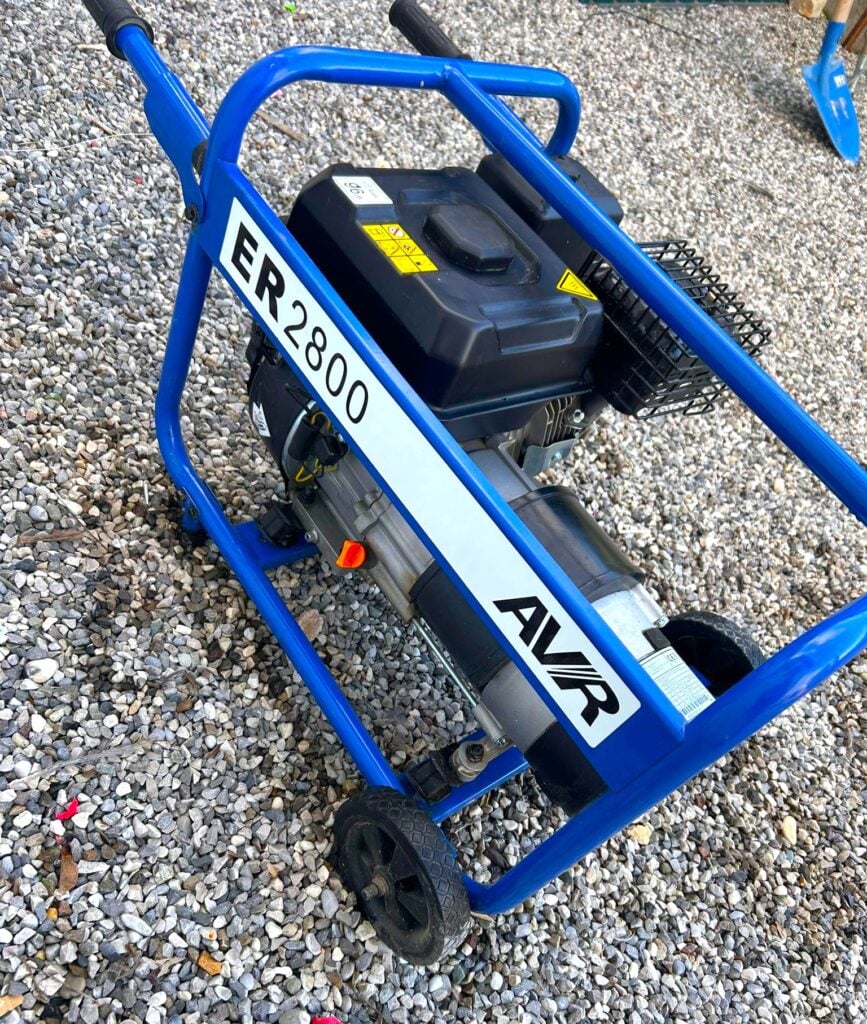
Years ago, some campgrounds barely seemed to care when generators were used, as long as nobody complained too loudly.
That is changing as well.
More campgrounds now have specific generator hours, designated generator loops, or even stricter bans in certain areas.
This is especially common in places trying to preserve a quieter atmosphere or reduce air and noise pollution.
It is also becoming more common for campers to report violations right away. That part surprises some people, but it should not.
So before bringing one, it helps to check: whether generators are allowed at all, what hours they can be used, and whether the campground has a generator-free section
3. More parks are limiting how long you can stay
Longer camping stays used to be easier in some areas, especially on public land or in more remote campgrounds.
Now, many parks and public camping areas are cracking down on stay limits.
That means the old habit of stretching a weekend into a much longer setup is not always possible anymore.
This is happening for a few reasons: crowding is one of them, and fair access is another.
In popular areas, parks do not want a handful of people taking the best spots for too long while everyone else keeps getting turned away.
In some places, the rule might be 7 days. In others, 14 days. Sometimes there is also a rule about how far campers must move before setting up again.
4. Food storage rules
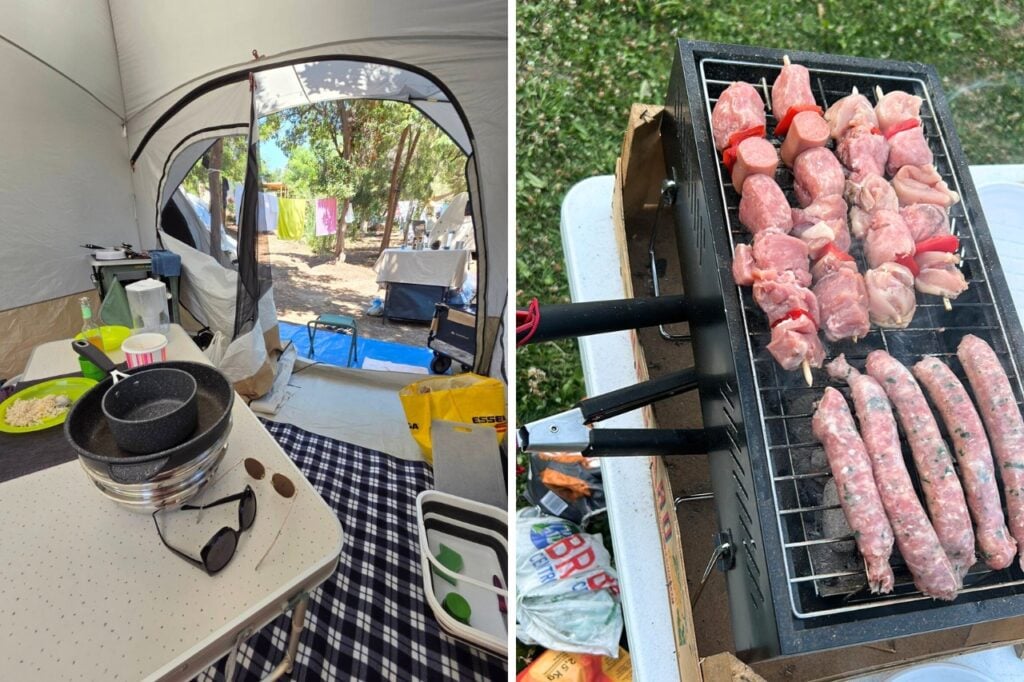
In areas with bears, raccoons, foxes, coyotes, or even just very bold squirrels, food storage rules are getting more specific and more enforced.
Leaving food out on a picnic table, storing snacks in a soft-sided tent, or forgetting a cooler overnight can create problems. Not just for campers, but for wildlife too.
Once animals start connecting campsites with easy meals, everything gets worse.
Some campgrounds now require bear lockers, hard-sided storage, or very clear overnight food rules.
Even toiletries and scented items can fall under the same rules in certain places.
5. Reservation no-shows
Campgrounds are booked tighter than ever in many popular destinations, especially on weekends and holidays.
Because of that, parks are starting to push back harder against people who reserve sites and then never show up.
Some campgrounds now cancel reservations if campers don’t arrive by a certain time on the first day.
Others may mark the site as abandoned and release it to someone else.
A few have also started taking a stricter approach to repeat no-show behavior.
The safest move is simple. Always read the arrival policy. If the campground allows late check-in but requires notice, send the notice.
6. Campsite occupancy rules
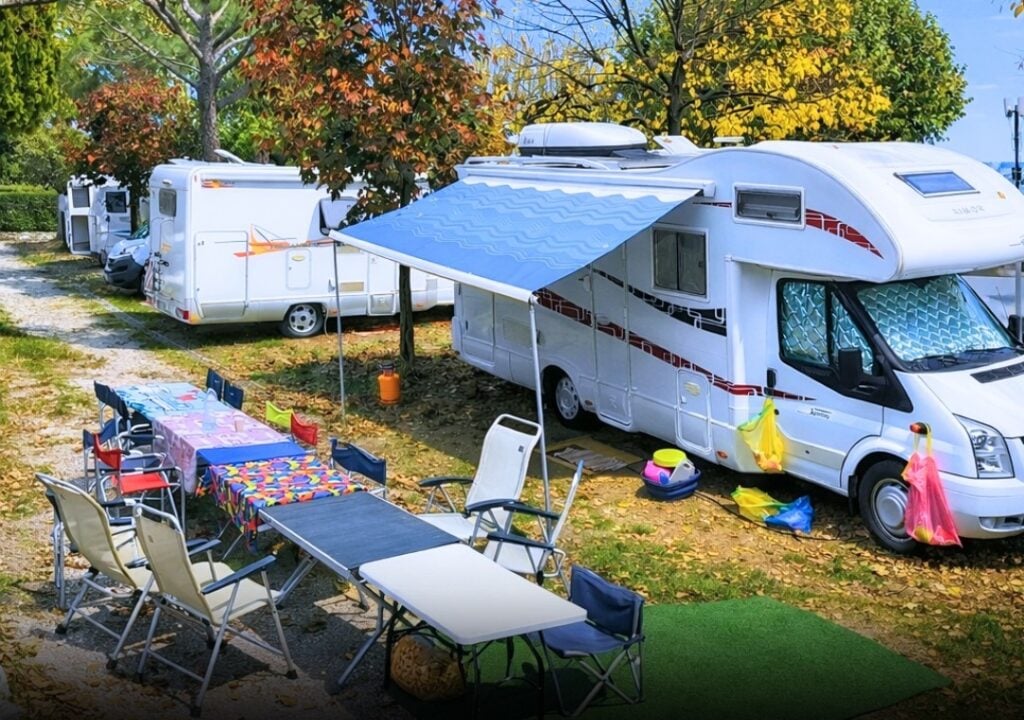
A lot of campers still think they can squeeze in just a few extra people and nobody will care.
That used to slide more often, but many campgrounds now enforce maximum limits for people, vehicles, tents, and RVs per site much more closely than before.
This is especially common in state parks and busy family campgrounds where oversized groups can quickly spill into roads, neighboring sites, and shared areas.
Too many people on one site usually means more noise, more cars, more trash, and more wear on the campground.
It also makes things less enjoyable for the campers nearby who actually booked within the rules.
Before inviting extra friends or family, it’s worth checking the exact site limits. Some campgrounds are very specific.
7. Fire rules can change
This one catches people every year. A campground might allow campfires one week and ban them the next.
All it takes is dry weather, wind, or a spike in fire risk. In some areas, rules can change almost overnight, even if the campground’s general info page still makes it sound like fires are allowed.
That is why relying on old information, or on what happened during the last trip, can go wrong pretty fast.
Consider that some places now limit: wood-burning fires, charcoal use, fire size, where fire pits can be used, and whether outside firewood is allowed.
That last is also important. A lot of campers still do not realize some campgrounds ban outside firewood to help stop the spread of invasive pests.
Showing up with a trunk full of wood and finding out it cannot be used is not exactly a great start to the trip.
Just remember to have a look at the list of the 10 things you should never bring camping.

