Campgrounds are supposed to feel easy and relaxing for everyone.
Although most places are laid-back, they still have rules, and some mistakes can really affect other people.
Some of these can result in a warning, a fee, or, in more serious cases, even a ban (often without a refund).
Remember that every campground has its own rules. Still, these are the big universal ones. The ones that get people banned.
1. Ignore quiet hours
Quiet hours are not a suggestion. They’re the deal.
Loud music, yelling across the loop, slamming doors, and turning on a generator late at night can really be noisy, especially because sound travels weirdly in the woods.
Most campgrounds will give one warning. After that, rangers and hosts tend to go from friendly to done with it.
2. Let a campfire get out of control
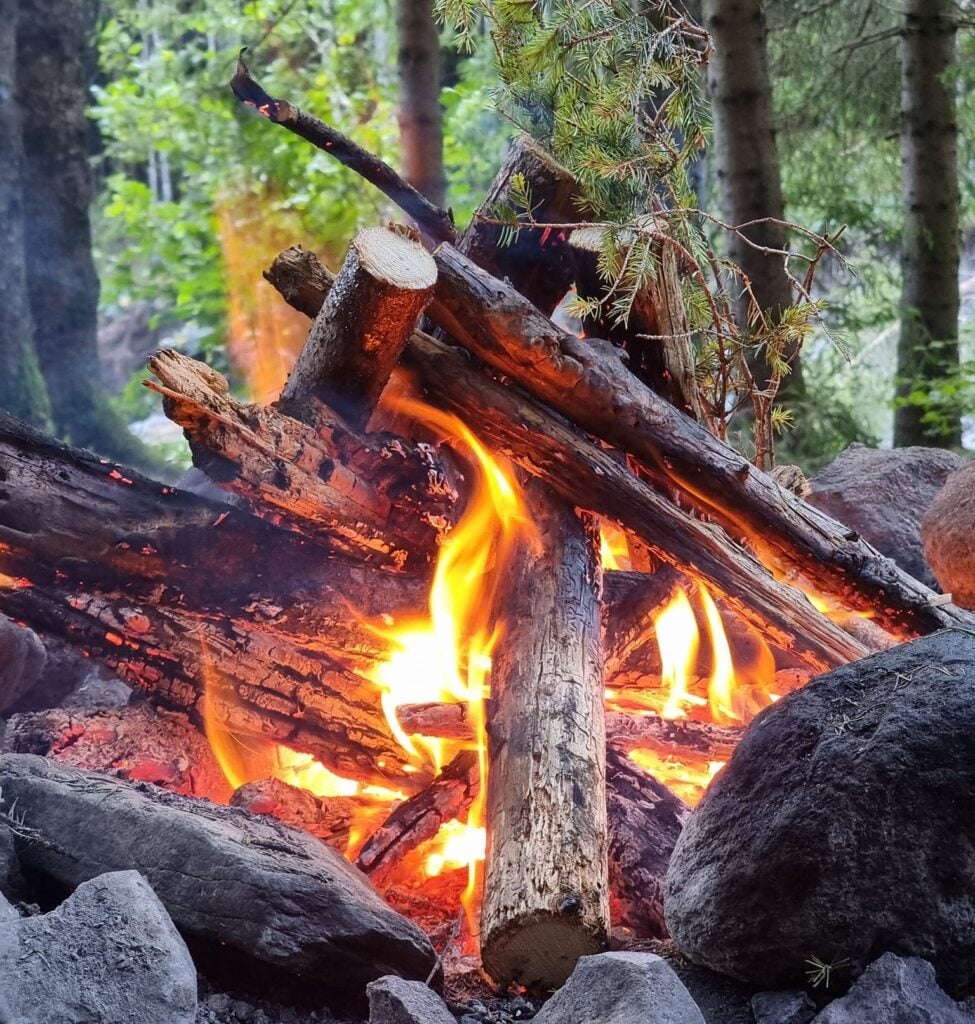
A campfire should never look like a bonfire at a beach party. If flames are flying, sparks are popping, and the whole thing is roaring, that could be a problem.
Especially on windy nights.
Also, never leave it unattended. In most U.S. campgrounds and parks, leaving a campfire unattended is against the rules and can get campers fined or kicked out.
Someone needs to be physically present and watching the fire.
Walking away for a quick bathroom trip might be tolerated in some places, but going for a walk around the campground or hiking away from the site is typically considered leaving it unattended.
3. Burn trash in the fire
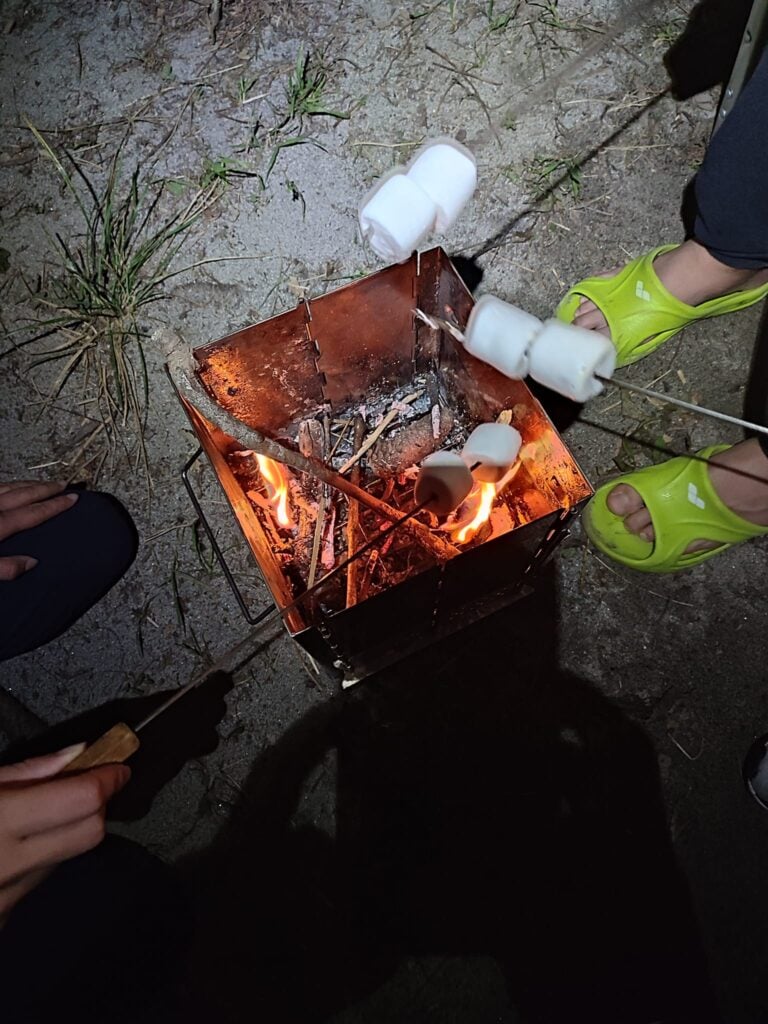
This one gets people in trouble all the time.
Plastic cups, chip bags, foam plates, diapers, wrappers, even aluminum. It’s gross, it stinks, and it can be toxic.
Plus it leaves melted junk for the next camper to deal with.
Fire rings are for wood and approved fire starters. Never treat your campfire like a mini incinerator.
4. Dump gray water on the ground
Washing dishes and just dumping the water behind the site is a fast way to get noticed.
Same for RV gray tanks. It attracts animals, it smells later, and it can mess with the ground and nearby water sources.
Always use the dump station. Use the dishwashing area if there is one. Do it the right way, even if it’s a little annoying.
5. Feed wildlife
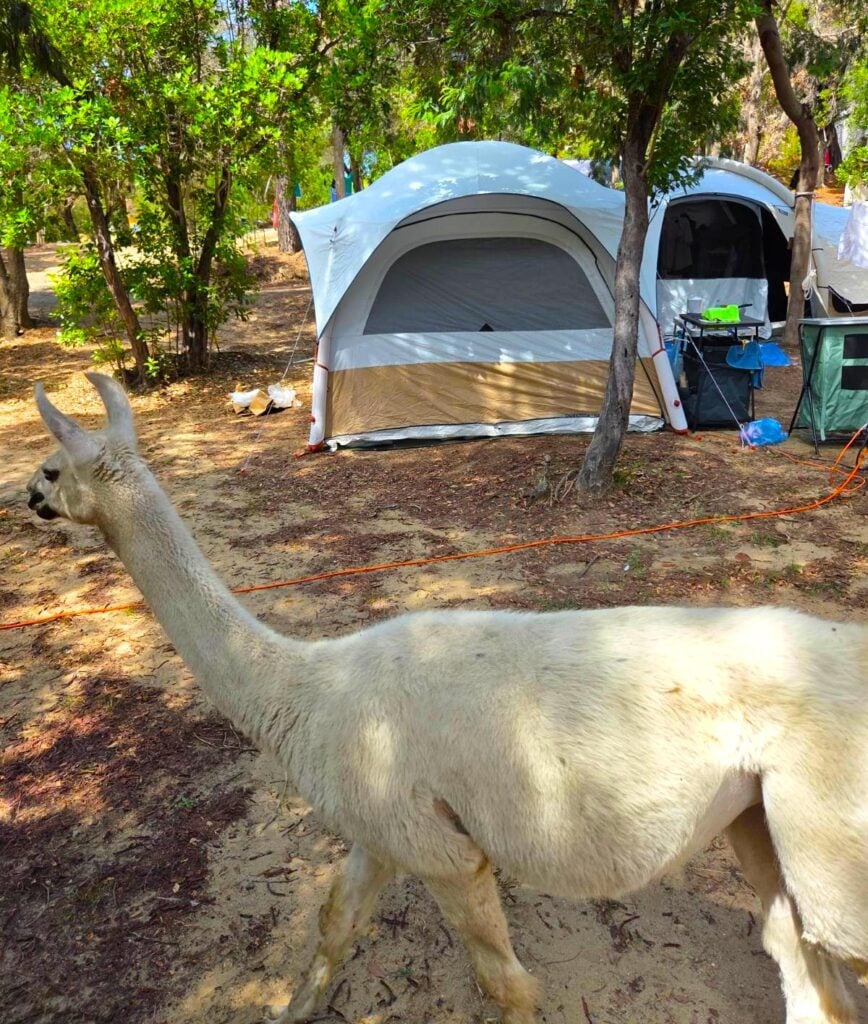
Squirrels, raccoons, deer, birds, they can be cute, but they can also become aggressive.
Feeding animals teaches them that campsites equal food. Then they start prowling, chewing through coolers, tearing up tents, and biting people.
Many campgrounds will boot campers for this. It’s not just about rules. It’s about safety and keeping wildlife wild.
6. Leave food out
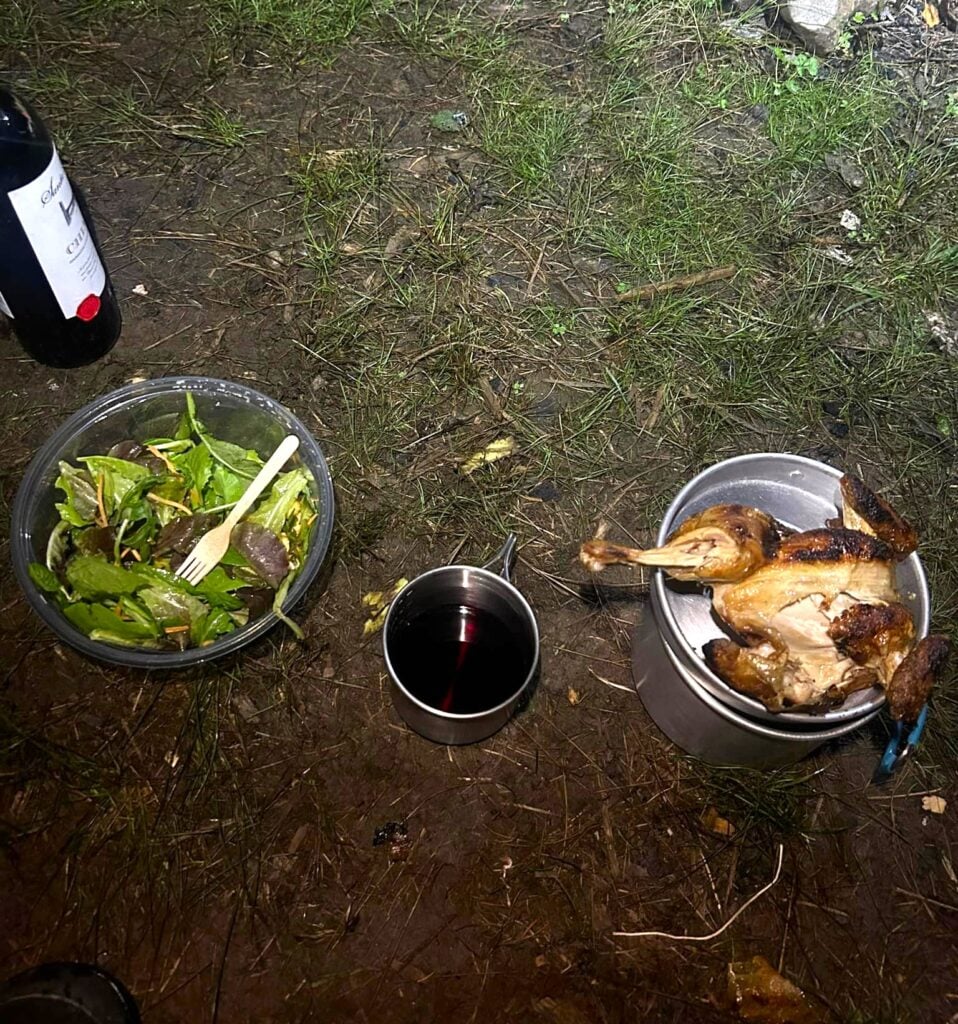
You should never leave a cooler left open. Snacks on the picnic table. Dirty dishes stacked overnight. Trash bag hanging from a branch.
It’s basically an invitation for squirrels, raccoons, or even bears.
Some places have strict food storage rules (especially bear country), and breaking them can get a camper kicked out.
7. Cut through other people’s campsites
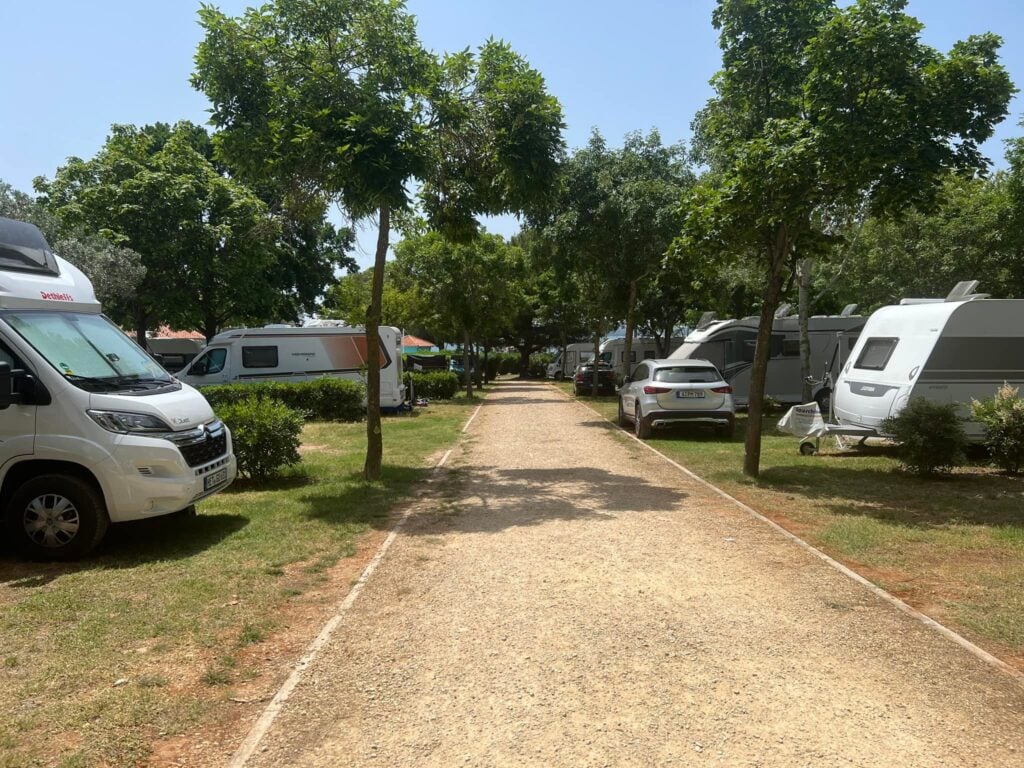
Walking right through someone’s site feels small, but sometimes it can be seen as a big deal.
That space is basically someone’s temporary home, so cutting through it to save 20 seconds is disrespectful and can spook kids, pets, and anyone relaxing.
It’s always better to use the road or the path. If there’s no path, still don’t do it. Go around.
8. Leave trash behind or accidentally forget stuff
This one gets people banned more than they expect.
Most places do not care if it was accidental. The site is supposed to be left clean.
If staff find trash, broken chairs, cheap tents, charcoal dumped on the ground, or a fire ring full of cans, they can charge a cleaning fee, keep a deposit, and flag the reservation profile.
Some campgrounds will straight-up kick campers out if it’s happening during the stay, especially if the site is already messy and warnings were ignored.
A good rule is simple. Pack it in, pack it out, and do a final walk around before leaving.
9. Break leash rules or let a dog bark nonstop
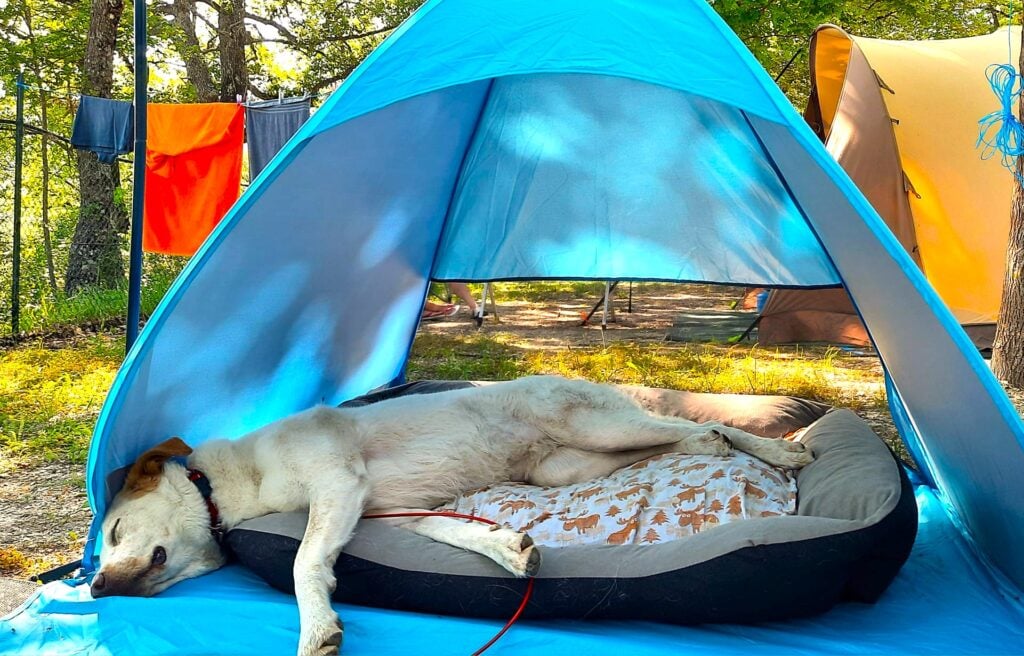
Dogs belong at campgrounds. People love seeing them. But loose dogs running up to other sites, chasing squirrels, jumping on kids, or pooping behind someone’s tent is how problems start.
And barking that goes on forever at night, or early morning, will get attention fast.
Most campgrounds are strict here. Enough complaints, and the host will step in.
10. Steal outlets, water, space, or basically anything that isn’t yours
Plugging into someone else’s power post. Hooking up to a spigot that belongs to another site.
Parking in a spot that isn’t yours just for one night. Taking firewood from the pile next door. Moving tables from another site.
Campgrounds don’t play around with this stuff. It turns into arguments, and hosts don’t want drama.
If it looks like someone is trying to cheat the system or mess with other campers, that’s when bans happen.
BONUS POINT: Avoid direct conflict!
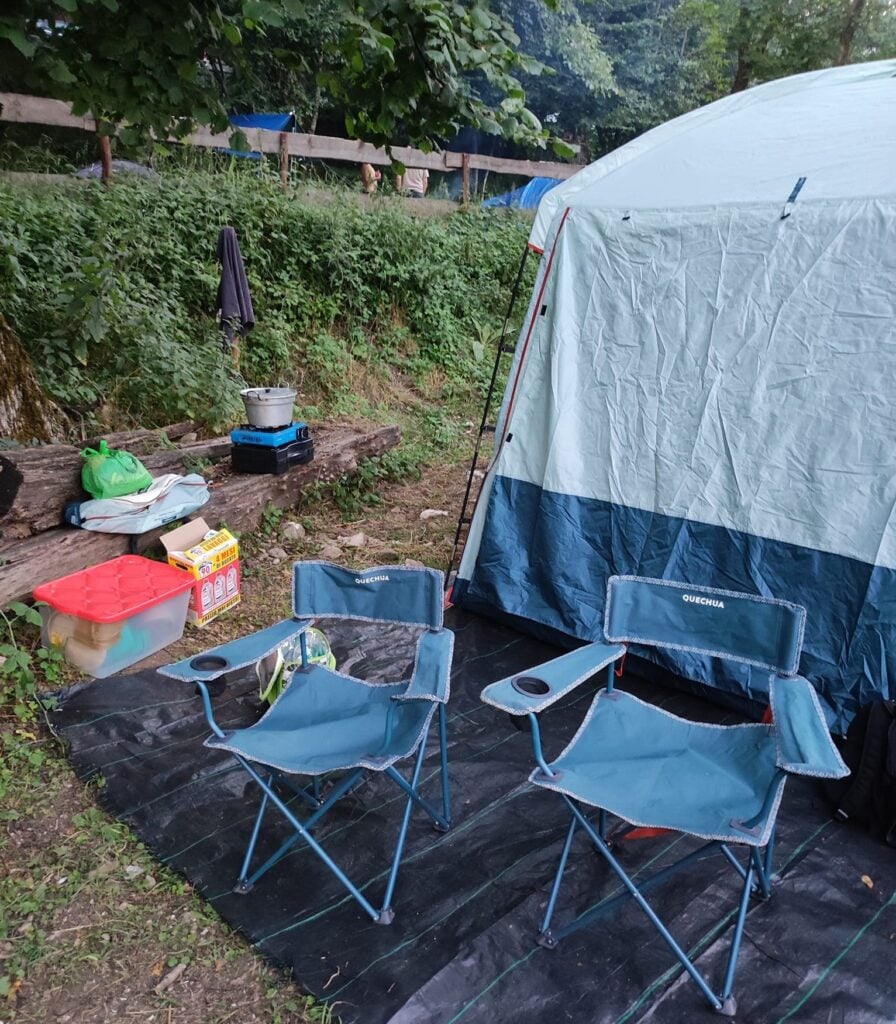
Arguing, threatening, getting aggressive, or acting like rules do not apply is the quickest way out.
Even if you think you’re right and if you see someone doing something wrong, it’s best not to start an argument.
Campgrounds usually have a clear chain of responsibility.
The first person to contact is often the camp host, who typically lives on site and handles everyday issues like noise, loose dogs, or campsite problems.
In state and national parks, rangers or park staff step in for more serious violations.
Private campgrounds usually have a front office or an after hours phone number for assistance.
If there is immediate danger, such as a fight, reckless driving, or an unsafe fire, calling 911 is appropriate.
One unwritten rule matters everywhere: avoid direct conflict.
Even when a complaint is valid, campers who escalate situations face-to-face can end up creating bigger trouble for themselves.
Reporting the issue calmly to staff almost always works better and keeps the trip drama-free.

