Camping never really stays the same.
One season it’s all about new gear. Next season it’s rules, reservations, and a bunch of little surprises that change how trips actually work.
2026 is shaping up to be one of those years where the details matter.
Here are the big shifts showing up across campgrounds, parks, and public lands.
1. National parks getting more expensive for some visitors
In the US, a major change kicks in for 2026 around national park access and pricing, especially for non-US visitors.
Annual pass pricing and entry fees are shifting, and even the traditional fee-free days are changing, too, including resident-only free entry days.
What it means in real life: budgeting for a trip gets less “rough estimate” and more “check the exact park page before driving there.”
2. Rolling reservation windows are spreading
Instead of one big reservation drop where everything disappears instantly, more places are leaning into rolling releases.
Voyageurs National Park, for example, has sites that open in a one-week rolling window for short-term planners, alongside normal advance booking.
This is good news for people who do not plan camping and prefer freedom and last-minute choices.
3. More first-come sites are quietly turning into reserved sites
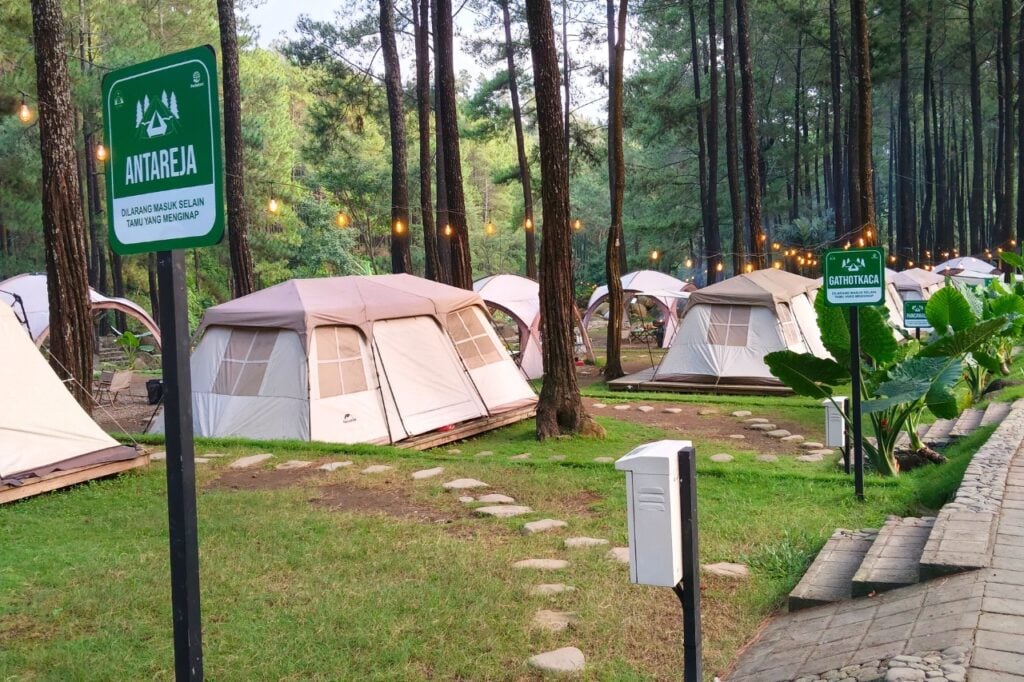
The general direction is clear: high-demand spots keep moving toward reservations, even when they used to be casual pull-in and grab a site.
Recreation.gov has been openly warning that many locations that were first come are now requiring advanced reservations.
Is this a good or bad thing? Honestly, it depends on personal preference, but it’s always better to have a plan B just in case.
4. Cashless camping is no longer rare
Cashless payment is expanding fast.
Some US Forest Service areas are moving developed recreation sites to “Scan and Pay” style systems in 2026, and local park systems are doing the same with firm dates.
So, giving the app setup before arrival is becoming as important as bringing a lighter.
A downside for anyone who loves camping for the connection with nature and wants to unplug from electronic devices.
5. A digital feeling at popular parks
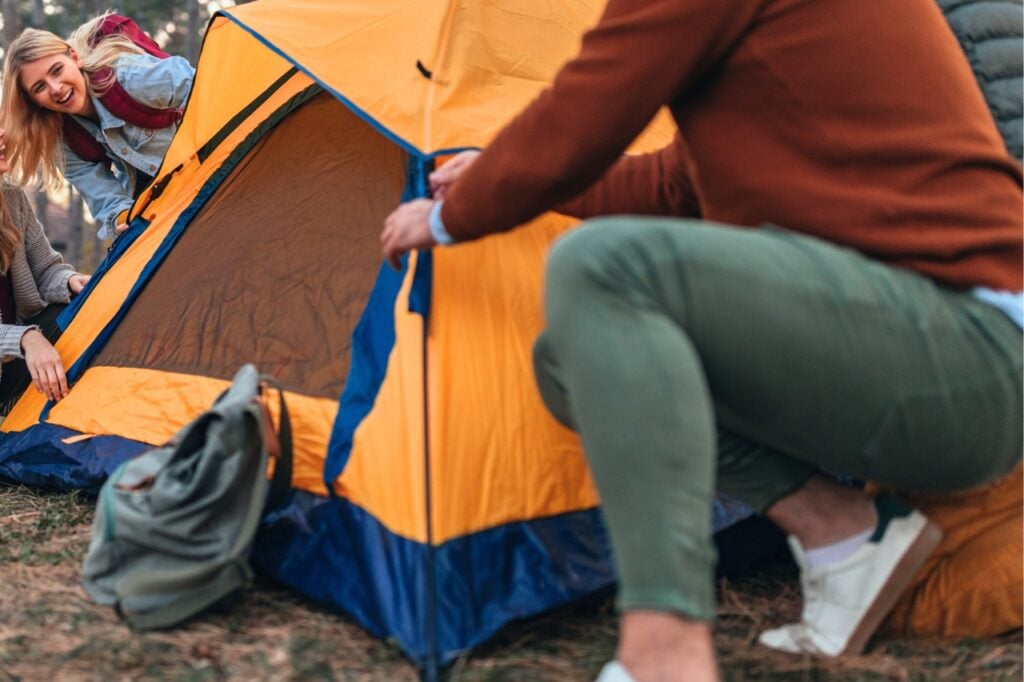
Linked to the previous point is also the fact that timed entry, shuttles, permits, and ticketed access are now becoming the norm.
Glacier’s 2026 visitor planning points straight at needing Recreation.gov accounts and digital tickets for key services.
Even when it is only a one-dollar processing fee, it still changes the rhythm of a trip.
6. Some parks are dropping timed entry, not adding it
Here’s the funny part: it is not one direction everywhere.
Some major parks are deciding that timed entry is not worth the hassle for 2026, such as Mount Rainier, which is reportedly ending its timed-entry program for the summer season.
So the trend is really more experimentation, not just more restrictions. And those who have already tried it, with negative results, go back to the old systems.
7. Fire rules getting tighter, with propane becoming the default
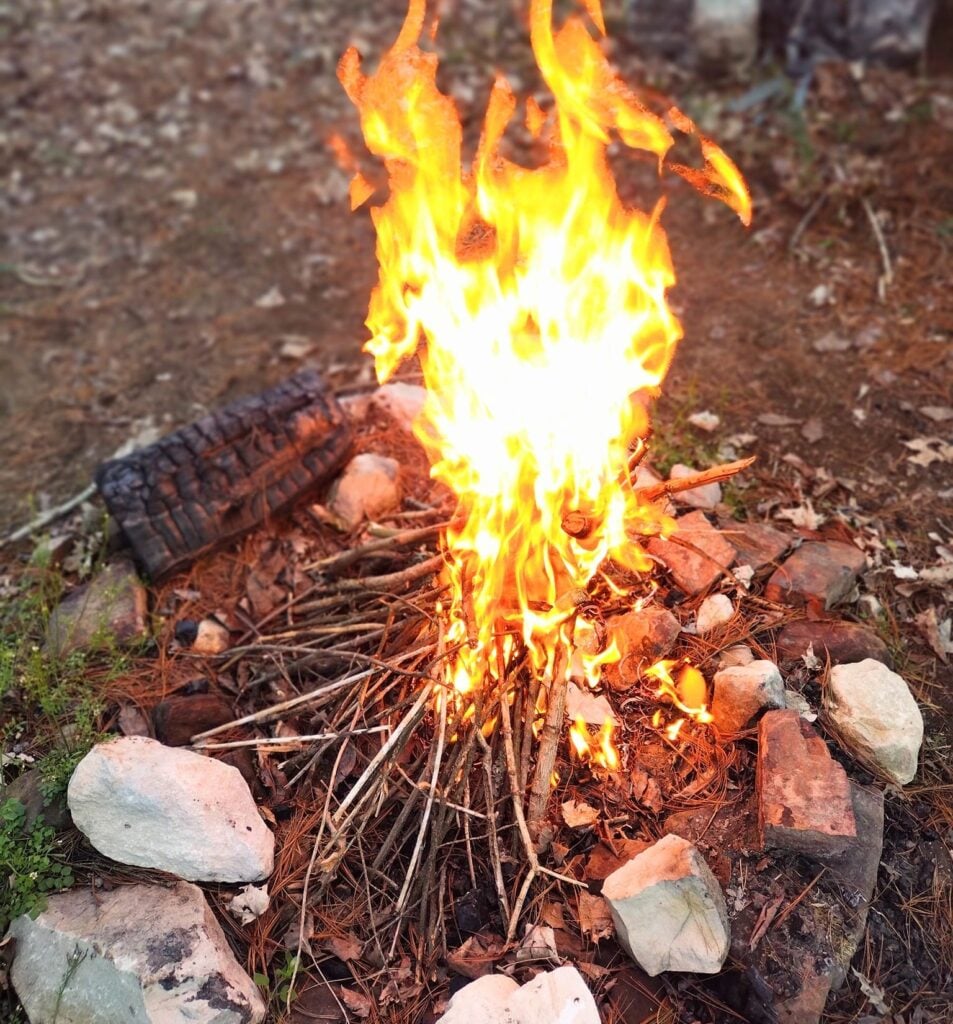
Across many regions, the vibe is stricter fire control, more burn bans, and more emphasis on propane stoves and fire pits when conditions get risky.
That can change week by week, but the overall direction is clear: fewer casual wood fires and more rules checking.
Campers who love a classic campfire are going to feel this one.
The most important thing to do in this case is, of course, to check the rules of the place ahead of time.
And please remember to avoid the 10 camping mistakes that even experienced campers still make.
8. Dispersed camping enforcement getting more attention
Dispersed camping rules are not new, but enforcement and education are getting stricter.
The BLM’s standard stay limit is typically 14 days within a 28-day period, with local variations.
More crowds usually means more patrols, more signage, and less tolerance for people setting up semi-permanent camps.
9. Noise expectations
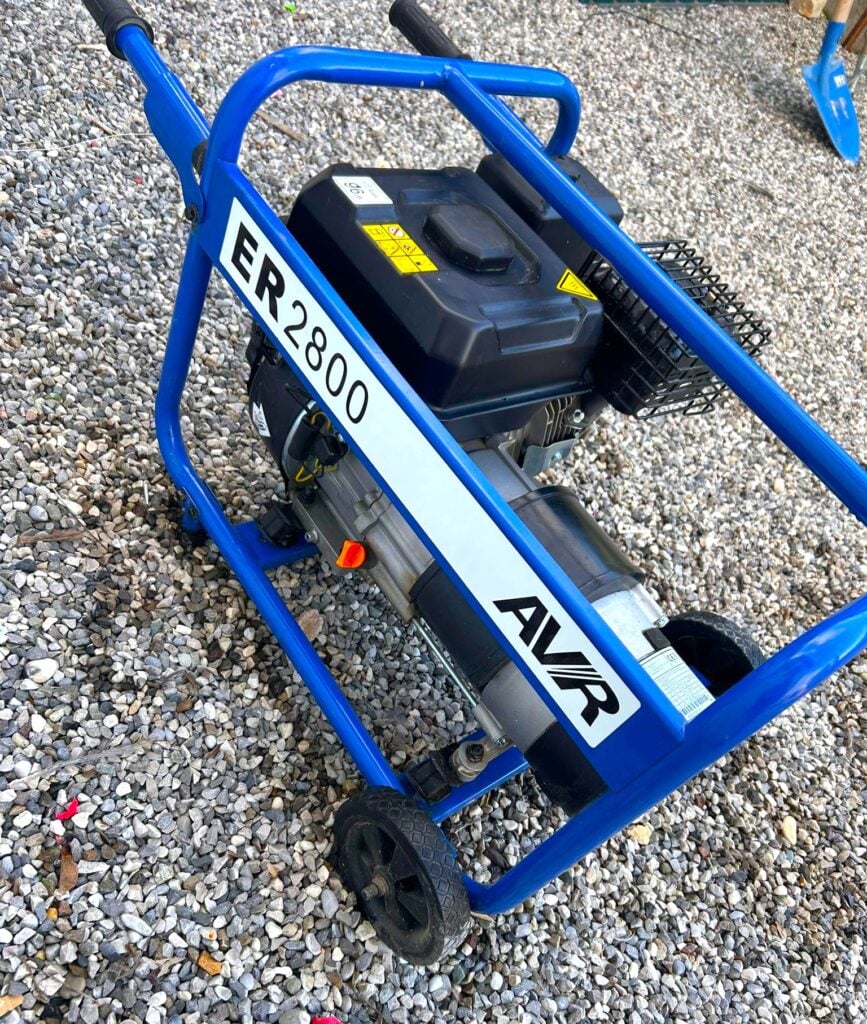
Quiet hours and generator hour rules have always existed, but the social tolerance keeps dropping.
Many state parks publish clear generator windows and quiet hour rules, and they are being taken more seriously.
For years, campers have called for an immediate ban on people who are too loud. Let’s see if 2026 will finally be the year it actually starts happening.
Don’t forget to have a look at the other 10 things that can get you banned from a campground.
10. The planning mindset is changing
This is the biggest shift of all, even though it is not a single policy. Camping is splitting into two lanes:
- Lane one: book early, lock it in, bring digital passes, QR codes, arrive with the app ready.
- Lane two: go simpler, go shoulder season, pick less famous places, and keep expectations flexible.
The interesting part is that neither lane is wrong. They just attract different mindsets.
Lesser-known areas are seeing a quiet rise in interest.
Places outside big names like Yosemite National Park or Yellowstone National Park are becoming the smart alternative for people who just want space, trees, and a calm evening.
Some campers will lean into the structured version, treating it almost like travel planning.
Others will chase that old school freedom feeling, even if it means driving a little farther or giving up a few conveniences.
ALSO READ: 10 Free Things You Can Get at Campgrounds (If You Just Ask)

